
Language
Views: 222 Author: Edvo Publish Time: 2025-12-12 Origin: Site


Content Menu
● Understanding Different Dr Scholl's Insoles
● Should You Remove the Original Shoe Insole?
● Step By Step: Full Length Trim‑To‑Fit Insoles
● Step By Step: Sized‑To‑Fit Full Length Insoles
● Step By Step: Three‑Quarter Length and Forefoot Inserts
● Which Side of the Insole Goes Up?
● Aligning the Arch and Heel Correctly
● Using Dr Scholl's Insoles in Athletic and Running Shoes
● Using Dr Scholl's Insoles in Work Boots and Safety Footwear
● Using Dr Scholl's Insoles in Dress Shoes and Flats
● Common Mistakes During Installation
● Cleaning and Maintaining Dr Scholl's Insoles
● Signs That It Is Time to Replace Your Insoles
● Troubleshooting Fit and Comfort Issues
● Special Considerations for Sensitive Feet
● How OEM Insole Manufacturers Support Brands
● Practical Tips for Everyday Use
● FAQ
>> 1. Do Dr Scholl's insoles go on top of existing insoles?
>> 2. How do you know if you trimmed the insole correctly?
>> 3. Can you move the same Dr Scholl's insoles between different shoes?
>> 4. Are Dr Scholl's insoles suitable for all types of footwear?
>> 5. When should you seek professional advice instead of just installing insoles yourself?
Using replacement insoles is one of the fastest ways to upgrade the feel of both new and old footwear. Dr Scholl's insoles are designed to work in a wide range of shoes, but they must be installed correctly to deliver proper arch support, shock absorption and fit.When fitted the right way, the shoe insole lies flat against the base of the shoe, the heel sits securely in the heel cup, and the support zones match the anatomy of the foot. Poor installation, on the other hand, can cause crowding, sliding or even extra pressure on sensitive areas.
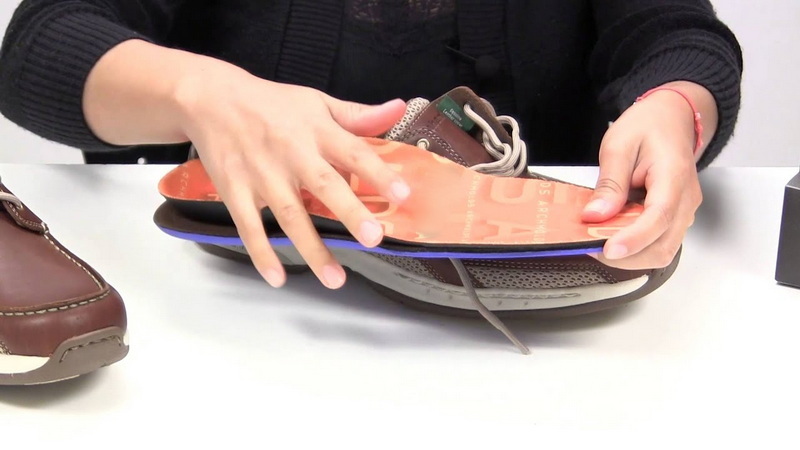
Dr Scholl's insoles come in several basic forms: full length designs that run from heel to toe, shorter three‑quarter length models, and targeted cushions for the heel or forefoot. Full length versions are often used to fully replace the existing liner inside the shoe, while partial inserts are more suitable when you want to fine‑tune pressure on specific parts of the foot.There are also different performance categories such as comfort, sport, work, running and support‑focused versions. Each category uses particular combinations of cushioning, stabilizing structures and arch profiles to address problems like tired feet, hard floors, high‑impact activity or mild over‑pronation.
A key question is whether to leave the factory liner in place. In most athletic shoes, casual sneakers and work boots with removable liners, it is better to take that original insole out before inserting a full length Dr Scholl's product. This preserves interior space so the shoe does not feel tight and allows the new insole to rest on a flat, stable base.In some dress shoes or other styles where the liner is fixed or very thin, placing a slim insert on top is possible as long as the fit remains comfortable. If your toes touch the top of the shoe, your heel lifts excessively, or seams rub against your foot, then stacking may not be suitable and a thinner or shorter insole should be considered instead.
Trim‑to‑fit versions are among the most popular because they can be cut to match many different shoe shapes and sizes. To use them, first remove the existing liner if it is detachable and check that the bottom of the shoe is clean and reasonably smooth. Lay the old liner on top of the new insole, aligning both at the heel so their backs match up neatly.Use the outline of the old liner as a guide and carefully cut along the front portion of the new insole, taking off only a small amount at a time. It is safer to cut conservatively and test fit repeatedly than to remove too much at once. After trimming, slide the insole into the shoe toe first, then press the heel down firmly so it sits flat with no folds or raised areas.
Sized‑to‑fit full length insoles are pre‑shaped to common shoe lengths, so trimming is usually unnecessary. Start by removing the original liner in shoes that allow it, then place the new insole in heel first, pressing along the base to ensure it lies flush with the midfoot and forefoot areas.Stand in the shoe and check whether your heel is cradled by the heel cup and your arch sits over the raised supportive section. If the arch feels behind or ahead of your natural arch, another size or style may provide a more accurate match. Subtle misalignment can lead to discomfort over longer wear periods even if the shoe feels acceptable during a quick test.
Three‑quarter length insoles and forefoot cushions are designed to leave the toe area more flexible and open. These designs are especially useful for tight dress shoes, flats or sandals where full length inserts would crowd the front or change the way the shoe bends.To install them, position the back edge of the insert just behind the ball of the foot or at the start of the arch, depending on the product instructions. The heel or midfoot should rest securely on the thicker portion of the insert, while the toes remain in direct contact with the shoe’s internal surface. This balance helps maintain natural movement while still improving cushioning and support where it is needed most.
All Dr Scholl's insoles have a clear top and bottom surface, even if this is subtle in some models. The top side, which meets your foot, is usually covered with a softer or more textured fabric or foam layer that enhances comfort and wicks moisture. The underside tends to show more structure, with support elements or denser materials visible.Before wearing the shoe, double‑check that the soft side faces up and the more structured side rests on the base of the shoe. Wearing an insole upside down can feel unstable, reduce cushioning in the right areas, and shorten the life of the product because it is not being compressed as intended.
Even a perfectly trimmed insole will not perform properly if the arch and heel zones do not line up with your foot. When you stand naturally, your heel should sink into the heel cup so that the back of the foot feels supported and centered rather than perched on an edge or sliding forward.The arch of the insole should sit directly under the inner curve of your foot. If it presses too far back near the heel or too far forward toward the ball of the foot, discomfort may develop over time. Testing alignment while standing and walking on a flat surface helps you refine fit before committing to long days of use.
Athletic and running shoes are typically built with more internal volume and removable liners, making them excellent candidates for full length cushioning or running‑specific insoles. After taking out the original liner and installing the new one, lace the shoe and evaluate fit both sitting and standing.Pay attention to how your heel sits relative to the collar and whether your toes still have room to move freely. A good running setup allows the midfoot to feel snug but not constricted, while the forefoot flexes naturally as you push off. If the shoe becomes overly tight, consider a lower‑profile insole or a model intended for athletic use with slimmer construction.
Work boots and safety shoes are often worn for many hours on hard surfaces, so impact absorption and stability are critical. Heavy‑duty or work‑oriented insoles from Dr Scholl's aim to support the heel and arch through long shifts while resisting compression.When fitting these into boots, remove any removable footbed and check that the insole sits flat without riding up against the padded collar. Walk on the type of surface you usually encounter, such as concrete or warehouse floors, to judge how the combination feels under realistic load. The goal is to reduce fatigue without making the boot feel loose or wobbly.
Dress shoes and flats often have limited internal height and may have fixed thin liners. In such styles, three‑quarter length designs, heel cushions or slim comfort insoles are typically more suitable. These options enhance comfort in the heel and arch areas without dramatically changing the shoe’s overall fit.Place the insert carefully so that the edge is not visible at the front of the shoe and does not fold under when your foot slides in. If you sense your heel slipping out of the back or the top of the shoe pressing down uncomfortably on your instep, the insert may be too thick for that particular pair.
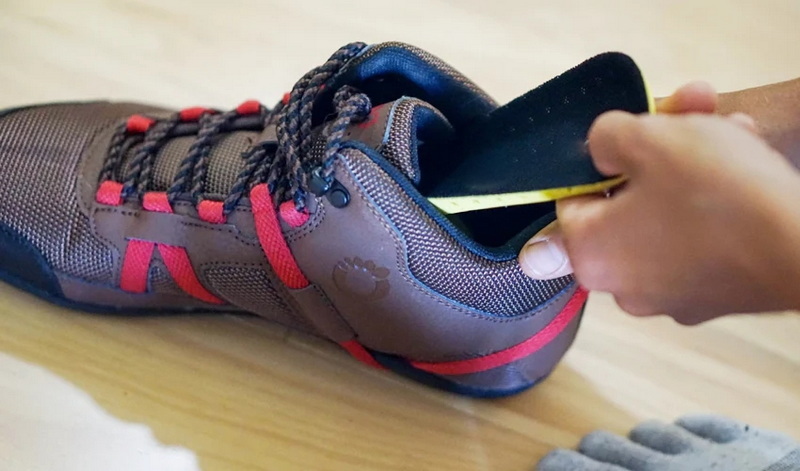
One frequent mistake is trimming aggressively at the start. Removing too much from the front can cause the insole to move around inside the shoe or leave gaps at the heel, which increases friction and reduces stability. Working slowly, testing regularly, and cutting in small stages is safer.Another common issue is stacking thick insoles on top of existing liners in narrow footwear. This can push the foot upward so that the toes rub against the upper or the shoe becomes difficult to fasten. If this happens, switch to a thinner insert or remove the original liner to restore appropriate space.
Even high‑quality insoles may feel slightly firm or different when first installed because they change the way forces travel through your feet and legs. A gradual break‑in period helps your muscles and joints adapt. Begin by wearing the new insoles for shorter periods during less demanding activities.Over several sessions, extend wear time and start using them in more intense contexts, such as longer walks or work shifts. Mild awareness or slight tiredness in the arch area can be part of adaptation, but sharp pain, numbness or joint problems signal the need to re‑evaluate fit or seek professional guidance.
Regular care extends the life of insoles and keeps shoes fresher. Most non‑electronic Dr Scholl's insoles can be cleaned by gently wiping the top layer with a soft cloth and mild soap solution, then leaving them to air dry away from direct heat. This helps remove sweat, skin oils and light dirt.Allow the insole to dry completely before placing it back into the shoe to avoid trapping moisture. Rotating between two pairs of insoles or shoes can give each set time to air out, reducing odor and maintaining cushioning performance longer.
Over time, even durable insoles compress under repeated loading. When the arch feels flatter, the heel pad feels harder, or the top cover becomes worn or torn, the product is no longer providing its original level of comfort and support. These are clear signs that replacement is due.You may also notice that your feet feel more tired after similar activities or that previous discomfort gradually returns. Updating insoles at this stage helps maintain the same protection for your feet, knees and lower back that you enjoyed when they were new.
If the shoe feels too tight after adding insoles, start by confirming whether the original liner has been removed and whether a thinner style might be more appropriate. Switching to a three‑quarter length design can sometimes solve space problems in low‑volume shoes.If you feel pressure at the arch or the ball of the foot, experiment with slight repositioning of the insole, especially for partial inserts that are not locked in by the heel cup. Small positional changes can shift support zones into more comfortable spots without trimming.
People with sensitive feet, existing injuries or medical conditions often benefit from extra care when choosing and installing insoles. While many Dr Scholl's products are designed for general comfort and light support, they are not a substitute for fully customized medical orthotics when serious structural or health issues are involved.If there is a history of chronic pain, circulation problems or joint disease, any new insole should be introduced slowly and ideally with input from a healthcare professional. This reduces the risk of aggravating existing conditions and ensures that the added support is truly beneficial.
Many brands, wholesalers and footwear producers look at the way Dr Scholl's insoles fit and perform as a benchmark for their own private label products. Experienced OEM insole manufacturers can design custom solutions that follow similar fit principles while meeting specific brand requirements for materials, cushioning levels and thickness.By sharing detailed information about shoe lasts, target users and performance expectations, buyers can work with a factory to create insoles that install easily, align correctly inside their footwear lines, and deliver a recognizable comfort upgrade. This is especially valuable for companies that want to differentiate their shoes with proprietary comfort systems.
Once your Dr Scholl's insoles are installed and broken in, a few simple habits will help you get the best daily performance. Take the insoles out periodically to let both the shoes and the footbeds air out, especially after heavy exercise or long workdays.When swapping insoles between pairs, always double‑check alignment and fit, rather than assuming they will work identically in every shoe. Over time, keep an eye on wear patterns; uneven or excessive wear can guide you toward more suitable models in the future or highlight changes in your walking style.
Putting Dr Scholl's insoles in shoes is mainly about careful preparation and thoughtful testing, not about complicated tools or techniques. By deciding whether to remove the original liner, trimming gradually for length and shape, aligning the arch and heel, and allowing a short break‑in period, you can turn ordinary footwear into a more supportive, comfortable environment for your feet.With regular cleaning and timely replacement, these insoles continue to deliver cushioning and support deep into their service life, while brands and wholesalers can apply the same principles when designing custom OEM insole projects. Correct installation makes every step feel more natural, reduces fatigue, and helps protect your joints in daily life, at work and during sport.
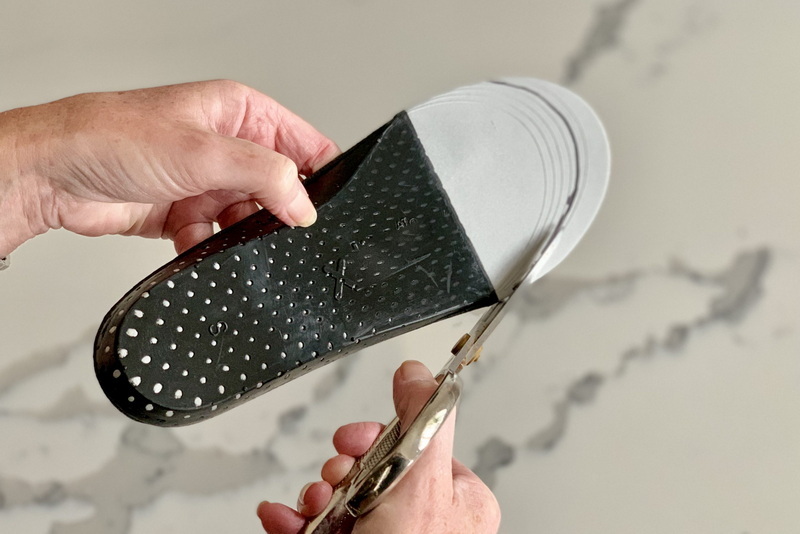
In many shoes with removable liners, it is usually better to take the original insole out first so the new one can sit flat without making the fit too tight. In deeper shoes, you can sometimes place a slim insert on top of the existing liner, but if the shoe feels cramped or unstable, remove the old insole instead.
A correctly trimmed insole fills the shoe from heel to toe without buckling or curling at the front and without leaving empty space at the back. When you walk, it should stay in place and feel smooth under the entire foot, with no hard edges pressing into your toes or sides.
Many people use one pair of insoles in several shoes, especially if the interior shapes are similar. However, alignment and comfort should be checked every time, because differences in shoe depth, width and last shape can change how the arch and heel areas of the insole sit under your foot.
There are models intended for athletic, work, casual, dress and flat shoes, so most categories can be matched with an appropriate insole. The key is choosing a style whose thickness, length and support profile match both the internal volume of the shoe and your specific comfort or support needs.
If you have ongoing foot pain, a diagnosed condition affecting the feet, ankles or knees, or a history of serious injury, it is wise to consult a healthcare professional before relying solely on over‑the‑counter insoles. A specialist can help determine whether standard Dr Scholl's insoles are suitable or whether custom orthotics and further treatment are required.


