
Language
Views: 222 Author: Edvo Publish Time: 2026-01-03 Origin: Site


Content Menu
● Understanding Dr. Scholl's Custom Fit System
>> The Importance of Personalized Support
● Key Factors to Consider When Selecting Orthotics
>> 2. Locate Pain Points and Pressure Zones
>> 3. Match the Insert to Your Footwear Style
>> 4. Evaluate Your Daily Activity Level
● Comparing Dr. Scholl's Insert Types
>> Sport and Performance Inserts
>> Work and Heavy Duty Inserts
● Step-by-Step Guide to Finding the Right Insert
● Benefits of Using Dr. Scholl's Custom Fit Orthotics
>> Improved Postural Alignment
>> Enhanced Energy and Endurance
>> Better Athletic Performance
>> Long-Term Health Investment
● Materials and Construction of Dr. Scholl's Inserts
● Maintenance and Hygiene Tips
● When and Why to Replace Orthotic Inserts
● Differences Between Custom Fit and Over-the-Counter Inserts
● Signs That You Need Orthotic Support
● FAQ
>> 1. How often should I replace Dr. Scholl's Custom Fit Orthotics?
>> 2. Can I use these inserts in different types of shoes?
>> 3. Are Dr. Scholl's orthotic inserts suitable for athletes?
>> 4. Will orthotic inserts help with lower back pain?
>> 5. Can I wash Dr. Scholl's inserts in a washing machine?
Finding the perfect orthotic insert can dramatically improve daily comfort, reduce foot fatigue, and prevent long-term postural issues. For millions of people, Dr. Scholl's Custom Fit Orthotic Inserts have become a trusted solution, offering tailored support based on individual foot structure and movement patterns. But choosing the right insert from the brand's wide range requires some clarity.
This detailed guide explains everything you need to know about selecting Dr. Scholl's Custom Fit Orthotic Inserts—from understanding your unique foot type to matching insert designs, materials, and activity levels. Whether you are an active professional, a frequent traveler, or someone seeking everyday comfort, this article will help you make an informed choice.
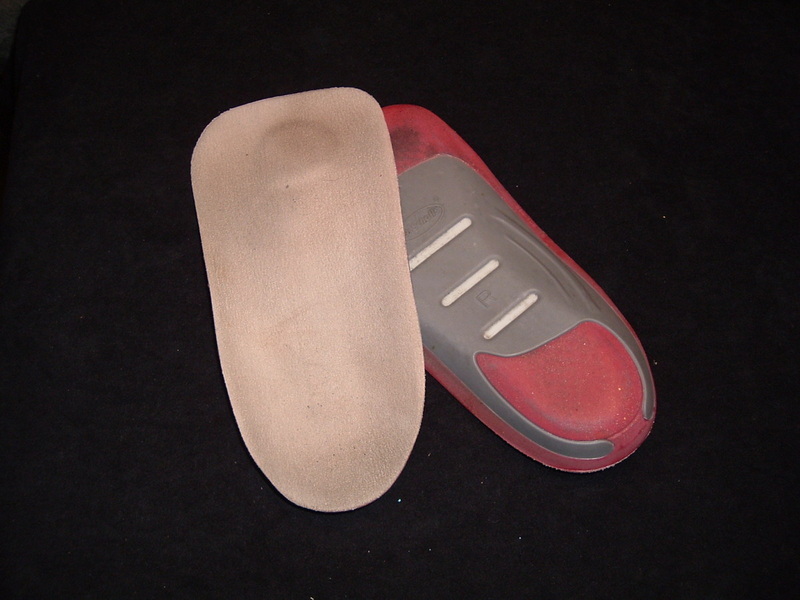
Dr. Scholl's is one of the most popular orthotic brands worldwide, known for its user-friendly kiosk system that recommends inserts tailored to your specific foot needs. The Custom Fit Orthotic System uses advanced foot mapping technology to measure pressure points, arch shape, and weight distribution.
When you stand on a Dr. Scholl's Custom Fit Kiosk, sensors evaluate your feet to identify where pressure concentrates and how your arches respond under load. Based on this analysis, the system suggests the ideal insert model—identified by a code (for example, CF 110, CF 220, or CF 440)—designed to deliver optimal comfort and alignment support.
Each model offers a unique configuration of cushioning layers, stabilizing shells, and arch contours. This ensures that your insert feels made for your specific foot pattern rather than a generic one-size-fits-all option.
Feet are the foundation of body posture. Even minor imbalances at your feet affect your knees, hips, and spine over time. Personalized orthotic support from Dr. Scholl's helps align and stabilize your movements from the ground up, reducing cumulative stress on joints. For most users, this means noticeable improvements in energy levels and pain reduction within a few days of consistent use.
Choosing the right insert isn't just about comfort—it's a matter of long-term health. The proper orthotic supports natural biomechanics, ensuring efficient weight distribution and reducing fatigue.
The most critical aspect to determine before selecting any orthotic is your arch shape. There are typically three variations:
- Low arch (flat feet): People with flat feet tend to overpronate, rolling their feet inward during walking. They benefit from firm arch support and rigid stability.
- Medium arch: The most common type, requiring balanced support and cushioning suitable for everyday wear.
- High arch: Usually linked to under-pronation, where feet roll outward. These users need softer cushioning and extra shock absorption.
Dr. Scholl's orthotic mapping automatically detects your arch type and recommends inserts that reinforce their natural contour, helping relieve the strain from inefficient gait patterns.
The foot consists of over 100 muscles, tendons, and ligaments working in coordination. Pain often develops when one area compensates for another. Identifying the location of discomfort helps narrow your insert choice:
- Heel pain (Plantar Fasciitis): Needs deep heel cups and firm cushioning to alleviate strain on the plantar fascia.
- Arch pain: Requires targeted arch lifts and midfoot support.
- Ball of foot pressure: Needs forefoot padding to evenly distribute weight.
Dr. Scholl's inserts are strategically designed to relieve pressure zones with varying densities of foam and gel across heel, arch, and toe regions.
The best insert for running shoes may not fit perfectly in leather dress shoes. Consider your most frequently worn footwear type:
- Running and athletic shoes: Go for full-length inserts with high-impact cushioning.
- Casual or work shoes: Choose medium-density full-length inserts for stability.
- Formal or narrow shoes: Use ¾-length inserts for better fit and toe flexibility.
- Boots or heavy-duty footwear: Look for rigid-cored orthotics that handle higher pressure.
This approach ensures you maintain comfort without compromising fit or altering your shoe's internal shape.
Your lifestyle dictates how much load your orthotics bear. A construction worker, nurse, or teacher standing all day will need more resilient cushioning than someone working at a desk. High-activity users should look for inserts with durable foam compositions and shock-absorbing layers. On the other hand, casual users can select lightweight, comfort-oriented models.
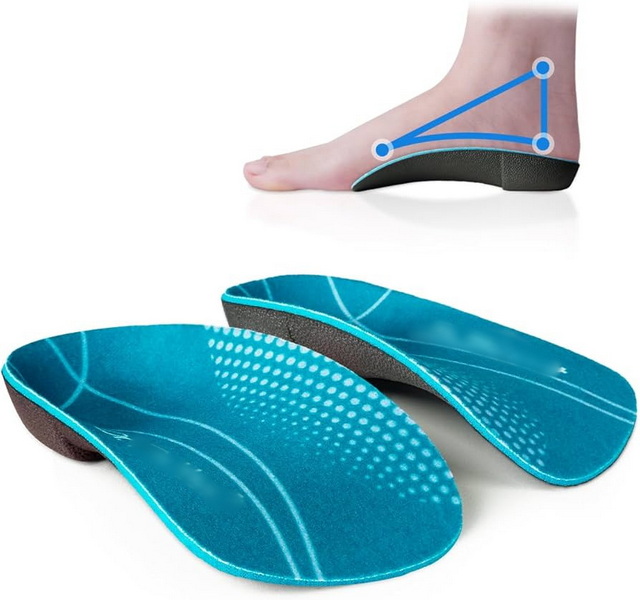
Although every Dr. Scholl's Custom Fit model is tailored through their diagnostic system, it helps to understand the general design categories offered by the brand.
Ideal for individuals who spend long hours on their feet. These inserts focus on overall comfort and fatigue reduction. They use medium-density foam to ensure support without stiffness.
Designed for specific conditions such as plantar fasciitis, heel spurs, or arch strain. They include reinforced heel cups, deep gel zones, and structured arch plates to maintain alignment.
Created for people who jog, play sports, or engage in dynamic movement. These models use more elastic gel pads and energy-returning foam that enhances momentum and stability during running or jumping.
Targeted at labor-intensive professions—such as manufacturing, logistics, or warehouse work—these inserts emphasize durability, shock resistance, and balance, especially on concrete flooring.
Understanding these categories helps you match your insert more precisely to daily usage conditions, maximizing longevity and comfort.
Finding your match for Dr. Scholl's Custom Fit Orthotic Insert is straightforward if you follow this process:
1. Locate a kiosk nearby: Most large supermarkets or pharmacies host Dr. Scholl's digital kiosks for public use.
2. Step on the mapping platform: Stand normally and wait while sensors read your pressure distribution.
3. Review your personalized result: The screen displays your foot pressure map and a recommended model number.
4. Select the suggested insert: Each number corresponds to a specific design calibrated for your arch type and support profile.
5. Test and adapt: Use the inserts consistently for a week. Slight adjustment time is normal as your body adapts to improved posture.
Keeping this systematic approach ensures precision and confidence when making your purchase decision.
When buying orthotic inserts, some users overlook small but crucial details that affect comfort and results. Avoiding these will make your investment worthwhile.
- Ignoring correct sizing: Trim if necessary, but never cram an oversized insert inside your shoe.
- Overlapping insoles: Never stack two layers of inserts—it alters shoe volume and biomechanical angle.
- Choosing aesthetics over function: Comfort, not color, determines effectiveness.
- Delaying replacement: Worn materials lose support and cushioning, compromising performance.
- Ignoring discomfort: If pain persists after adaptation, get reassessed—your needs may have changed.
A few thoughtful checks ensure consistent foot support and optimal health benefits.
The advantages of custom-fit orthotics extend beyond simple comfort. They are a long-term investment in proper body mechanics.
Custom inserts help your feet stay flat and balanced, aligning ankles and knees properly. This alignment reduces stress up the kinetic chain—knees, hips, and lower back benefit significantly.
By redistributing pressure evenly across the foot, orthotics relieve strain on overused muscles and tendons. Conditions like plantar fasciitis, heel spurs, and Achilles tendonitis often improve noticeably.
When your feet are supported correctly, you expend less energy compensating for imbalance. Users frequently report reduced fatigue during prolonged standing or walking.
Athletes benefit from improved stability, better shock absorption, and more efficient stride mechanics. Proper support translates into enhanced performance and lower injury risks.
Regular orthotic use prevents overhead strains on joints, reducing the likelihood of chronic knee and back problems associated with poor alignment.
Behind the comfort of Dr. Scholl's inserts lies carefully engineered multi-layer design and material science.
- Top cover fabric: Soft mesh for breathability and moisture control.
- Gel cushioning layer: Provides immediate comfort and impact absorption.
- Foam mid-layer: Distributes pressure evenly.
- Support shell: The rigid base that stabilizes the arch and heel.
- Grip bottom: Prevents slippage within your shoe for consistent alignment.
Together, these elements balance flexibility with firmness, creating durability that typically lasts six to twelve months under normal use.
Proper maintenance not only extends the life of your inserts but also maintains cleanliness and comfort.
- Regular cleaning: Wipe with mild soap and a damp cloth. Avoid submerging them in water to protect glues and foams.
- Air dry only: Never use dryers or heat exposure—high temperatures can warp materials.
- Odor prevention: Rotate between multiple pairs if daily use leads to heavy moisture accumulation.
- Surface inspection: Check regularly for cracks or compression spots indicating material breakdown.
A clean, well-maintained orthotic maintains structural integrity and remains effective throughout its service life.
Even the highest-quality orthotic inserts wear out with time and consistent pressure. Compromised cushioning or flattened arch layers can gradually diminish support.
You should replace your orthotic inserts if:
- You notice renewed foot pain or fatigue.
- The arch or heel area feels compressed or unstable.
- The surface fabric shows tearing or detachment.
- The insert emits persistent odor or becomes misshapen.
Most users find that replacing inserts every 6–9 months keeps them functioning at peak performance. For athletes and labor-intensive workers, more frequent replacement might be beneficial.
While Dr. Scholl's Custom Fit Orthotic Inserts are technically over-the-counter products, their kiosk-based customization makes them a hybrid between standard insoles and medical orthotics.
Over-the-counter insoles are mass-produced and classified by general arch type or footwear style.
Dr. Scholl's Custom Fit inserts, on the other hand, provide semi-personalized recommendations using pressure mapping technology for enhanced accuracy and comfort—without the cost of a podiatrist-prescribed orthotic.
For most everyday users, the Custom Fit line provides the comfort, support, and affordability ideal for preventive and everyday usage.
If you're uncertain whether you need orthotic inserts, consider these symptoms:
- Persistent heel or arch pain, especially in the morning.
- Uneven wear on your shoe soles, signaling misalignment.
- Knee or lower back pain after walking or standing.
- Feeling unbalanced or fatigued in your legs after short walks.
If any of these apply, Dr. Scholl's Custom Fit Orthotic Inserts can be a quick and cost-effective solution.
Selecting the right pair of Dr. Scholl's Custom Fit Orthotic Inserts is a small but powerful step toward improving your comfort, posture, and overall mobility. The correct insert aligns your body, reduces joint stress, and helps prevent chronic conditions that often start with ignored foot discomfort.
By understanding your arch type, recognizing pain patterns, and aligning insert selection with daily lifestyle demands, you can achieve personalized comfort that enhances productivity and performance. Whether for work, exercise, or leisure, a supportive orthotic foundation helps your body work as it was designed—efficiently, comfortably, and pain-free.
Taking time to evaluate your specific needs ensures that every step you take feels lighter, balanced, and fully supported.
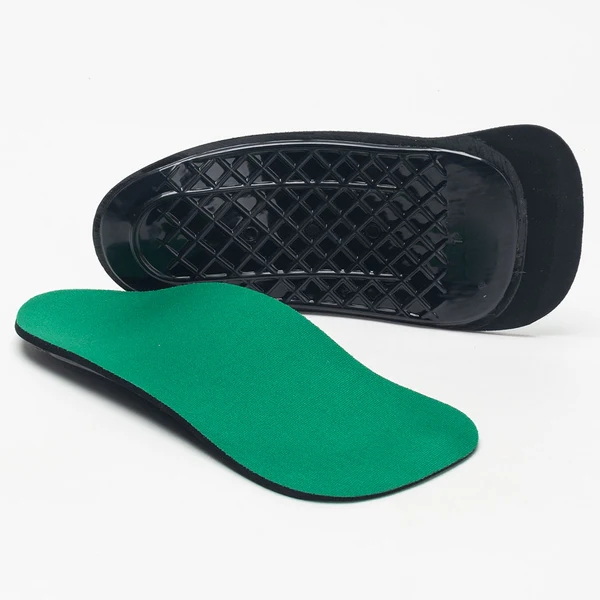
Replace every 6–12 months, depending on activity level and visible wear. Heavy daily users may need replacements more frequently.
Yes. You can transfer inserts between shoes, but ensure proper fit. For narrow or formal shoes, opt for ¾-length versions for better comfort and alignment.
They are excellent for low-to-moderate sports activities. However, high-impact athletes may benefit from specialized performance orthotics for advanced motion control.
Yes. Correcting your foot alignment indirectly supports your knees, hips, and spine, which often alleviates chronic lower back discomfort caused by misalignment.
No. Always hand-clean using mild soap and a damp cloth. Air dry fully before use to maintain structural integrity.


