
Views: 222 Author: Edvo Publish Time: 2026-01-15 Origin: Site


Content Menu
● Understand Your Dr Scholl's Product
● Step 1: Check If Trimming Is Allowed
● Step 2: Remove The Original Shoe Insole
● Step 3: Use The Old Insole As A Template
● Step 4: Mark The Trimming Line
● Step 5: Trim Slowly With Sharp Scissors
● Step 6: Test The Fit Inside The Shoe
● Step 7: Make Minor Adjustments Only
● Safety And Warranty Considerations
● Extra Tips For Different Shoe Types
● Common Trimming Mistakes To Avoid
● Gradual Break‑In After Trimming
● Why Proper Trimming Matters For Foot Health
● FAQ
>> 1. Can Dr Scholl's Custom Fit Orthotics Be Trimmed?
>> 2. How Do I Know If My Dr Scholl's Insoles Are Trim To Fit?
>> 3. Should I Remove My Shoe's Original Insole Before Inserting Orthotics?
>> 4. What Happens If I Trim Too Much From The Toe?
>> 5. How Long Do Custom Orthotics Last After Trimming Or Use?
Dr. Scholl's insoles are designed to improve comfort, alignment, and shock absorption in everyday and performance footwear. Custom Fit orthotic inserts are sized by arch type and shoe size, so most full‑length and 3/4‑length versions are made to slip into the shoe without trimming. However, some users still want to fine‑tune the front edge to match their shoe interior more closely, especially when swapping between different footwear styles.[1]
This guide explains how to safely trim Dr. Scholl's style custom orthotics insoles when trimming is appropriate, and how to avoid damaging inserts that are not intended to be cut.[1]

Before cutting anything, it is essential to confirm what type of insert you have and whether trimming is actually recommended.[1]
- Custom Fit Pain Relief Orthotic Inserts in 3/4 length are designed as slip‑in inserts that sit on top of the existing insole and do not require trimming.[1]
- Custom Fit Comfort Insoles in full length are also sized to your feet and are generally promoted as no‑trim products, although the front edge may still be adjusted slightly in special cases.[1]
- Many general Dr. Scholl's full‑length trim‑to‑fit insoles, such as work or sport lines, include printed size guidelines along the toe so you can cut them to match your shoe size.[1]
If the packaging or product page clearly states that trimming is not required or provides no cut lines, trimming is usually unnecessary and may reduce performance or affect guarantees.[1]
Having the right tools and setup ensures clean, accurate cuts and reduces the chance of ruining your insoles.[1]
- Use sharp household or fabric scissors rather than dull blades, which can crush the foam and create uneven edges.[1]
- Work on a flat, well‑lit surface so you can see the edges, size lines, and any markings clearly while you trim.[1]
- Keep one shoe and, if removable, the original insole nearby to use as a reference template for length and shape.[1]
Wash and dry your hands first to avoid transferring dirt or moisture to the fabric surface of the orthotics.[1]
The first step is always to read the insert and packaging carefully, because not every product is meant to be cut.[1]
- Custom Fit Orthotic Inserts, both 3/4‑length and full‑length versions, are usually described as no‑trim products.[1]
- These inserts are engineered to sit either on top of your shoe's existing insole or replace it while matching your arch and foot length as determined by a fitting system.[1]
If your insert has no printed cut lines and documentation says that trimming is not required, only consider very minor edge adjustment at the toe if absolutely necessary, and never cut into the arch support or heel cup.[1]
When working with any full‑length insole or orthotic, remove the factory insole from the shoe if it is not glued down.[1]
- Pull up from the heel area and gently peel the insole out of the shoe so you do not tear the lining.[1]
- This original insole gives you an exact template for the length and overall outline that already fits your footwear.[1]
For 3/4‑length orthotics that are not designed to be trimmed, you typically leave the original insole in place and slide the orthotic on top.[1]
Using your existing shoe insole as a template is the most accurate way to trim any new full‑length insert to your shoe size.[1]
- Place the new insole or orthotic on top of the original shoe insole, keeping both heels aligned as closely as possible.[1]
- Check how much excess material extends beyond the toe and sides, focusing especially on the forefoot area where most trimming will occur.[1]
Aligning at the heel ensures that you do not accidentally shorten the orthotic in a way that shifts the arch support forward or backward inside the shoe.[1]
Once the insoles are aligned, it is time to draw a clear cutting line, either following printed guides or copying your template outline.[1]
- Trace around the original insole onto the new insole using a pen or fine marker, concentrating on the toe region where material extends beyond the template.[1]
- If your product already has size markings on the underside, you can simply find your shoe size on the scale and mark along that line instead of tracing.[1]
Avoid drawing lines under the heel or arch area of custom orthotics, because cutting these zones can remove crucial structural support and compromise performance.[1]
Now you can carefully cut along the marked line, keeping your hand steady to avoid jagged edges or uneven curves.[1]
- Follow the tracing or size guide with smooth, continuous cuts, and always cut slightly outside the line so you can test fit and refine later.[1]
- Focus on trimming the toe and forefoot area, and avoid cutting into the heel, arch platform, or any hard plastic or gel heel cup.[1]
Once you complete one insole, use it as a pattern for the second by laying the trimmed piece on top of the untrimmed one and copying the new outline.[1]
After trimming, you must test how the insole fits in the actual shoe and make small adjustments.[1]
- Insert the trimmed insole into the shoe by gently bending the forefoot to slide it under the upper, then press the heel firmly back into the heel pocket.[1]
- Check that the insole lies flat with no buckling, bunching, or curling at the toe, and that the sides match the shape of the shoe interior without folding upward.[1]
For 3/4‑length inserts that were not trimmed, make sure the heel cushion is flush with the back of the shoe and the front edge ends behind the ball of the foot.[1]
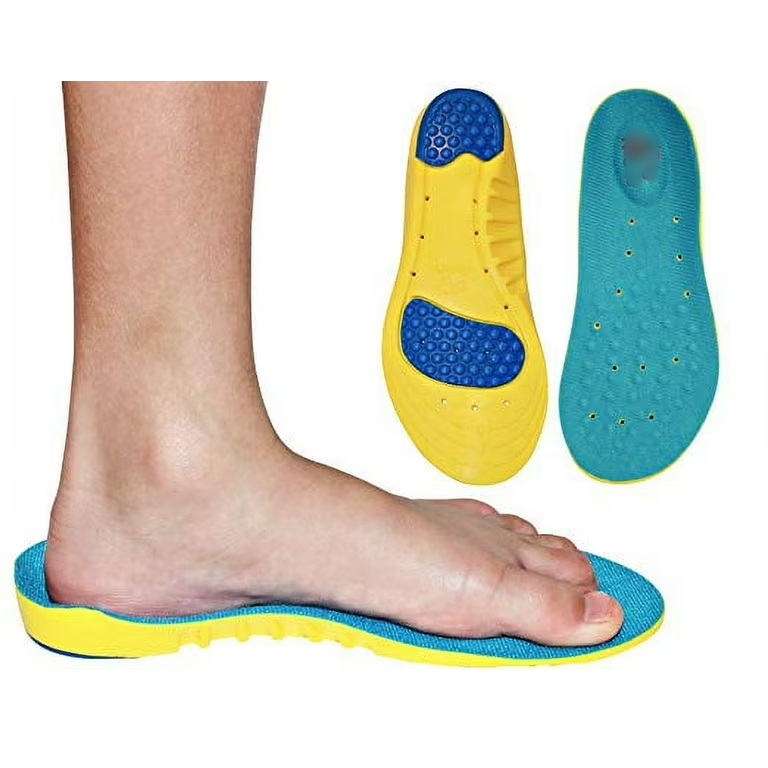
If there is still a small amount of excess material causing the insole to buckle, you can make very conservative extra cuts.[1]
- Remove the insole, trim a very small amount from the toe edge, and test again rather than making a large cut in one pass.[1]
- Stop cutting as soon as the insole lies flat and feels comfortable, because shortening too much can create gaps and allow the insole to slide during use.[1]
Never cut into pre‑molded support structures or through hard plastic components, because this can crack the device and significantly reduce support or lifespan.[1]
Custom orthotic products involve engineered layers and support zones, so careless trimming can create problems for your feet and for product durability.[1]
- Many manufacturer instructions for custom or semi‑custom orthotics emphasize that their shape and thickness are part of the intended therapeutic function.[1]
- Altering these orthotics beyond what is recommended can void guarantees, reduce cushioning, and shift weight‑bearing areas in ways that increase rather than relieve discomfort.[1]
If you feel unsure, review the instructions again or speak with a qualified foot care professional before cutting any custom or semi‑custom orthotic insert.[1]
Once the insoles or orthotics fit correctly, you should maintain them properly to keep support and comfort consistent over time.[1]
- Many consumer orthotics are designed to last several months under normal use, with replacement recommended at the first signs of compression, cracking, or loss of cushioning.[1]
- Air your shoes and insoles after long days, and occasionally wipe the fabric side with a mild damp cloth so sweat and odor do not degrade the materials prematurely.[1]
If the edges you trimmed start to fray slightly, you can carefully tidy loose fibers with small scissors, but avoid changing the overall shape once you are satisfied with the fit.[1]
There are situations where trimming is clearly not the right choice, and forcing a cut can cause more harm than good.[1]
- Very rigid or highly structured orthotics, especially those provided after a medical assessment, often must not be trimmed at home because their shape is part of a precise therapeutic plan.[1]
- If your insert documentation explicitly states that trimming is not required and your shoe still feels uncomfortable, it may be better to select a different shoe style or orthotic model rather than modifying the device.[1]
For shoes with very shallow toe boxes or narrow fronts, consider a 3/4‑length insert that ends behind the ball of the foot instead of trying to force a full‑length insole to fit.[1]
Different shoes accept orthotics in different ways, so small adjustments in trimming and placement can improve comfort without damaging the insole.[1]
- For running shoes and trainers, removing the factory insole and trimming to match that outline usually works well because the shoe interior is relatively deep and stable.[1]
- For dress shoes or casual slip‑ons with limited space, choosing a thinner or 3/4‑length insert often performs better than aggressively trimming a thick full‑length insole.[1]
In work boots or safety shoes, full‑length insoles that match the original template and sit flat from heel to toe are important for stability and even weight distribution across long shifts.[1]
A few typical mistakes can quickly ruin a pair of insoles or make shoes feel worse instead of better.[1]
- Cutting too much from the toe in one step can make the insole too short, creating gaps and movement during walking.[1]
- Trimming the sides aggressively to fit into a narrow shoe may carve away important side support and cause the insole to twist or roll.[1]
Another frequent issue is cutting through structural elements under the arch or heel, which can break plastic components and leave one foot supported differently than the other.[1]
Even if trimming is perfect, your feet may need time to adapt to the feel of new insoles.[1]
- A gradual break‑in schedule, such as wearing the insoles for an hour or two the first day and increasing time each day, allows your muscles and joints to adjust.[1]
- Pay attention to pressure points or rubbing; if you notice hot spots at the toe after trimming, inspect the insole edge and shoe interior to ensure there is no sharp or raised area.[1]
If discomfort persists even after small adjustments and a break‑in period, consider trying a different style of insert or consulting a professional for individualized advice.[1]
Correct trimming is not just about comfort; it also affects how load is distributed through your feet and lower limbs.[1]
- Insoles that bunch, fold, or move can create friction and lead to blisters, calluses, or localized pain in the forefoot and heel.[1]
- When the arch support area is positioned correctly under your foot, it helps align your foot more naturally, which can reduce strain on the ankles, knees, and lower back over time.[1]
Keeping the original shape of the support zones while only adjusting the toe length lets you enjoy the intended benefits of the orthotic design without compromising structure.[1]
Trimming Dr. Scholl's style custom orthotics insoles is mainly relevant for full‑length trim‑to‑fit models, where toe length must be matched precisely to an individual shoe. The safest method is to align your new insole with the shoe's original insole, mark a careful line, and trim only the toe area in small increments while keeping the arch and heel structure intact. For custom or semi‑custom orthotic inserts that are labeled as no‑trim products, focus on choosing the right length, placing them correctly in the shoe, and allowing a gradual break‑in period rather than cutting, so that engineered support and guarantees remain protected.[1]
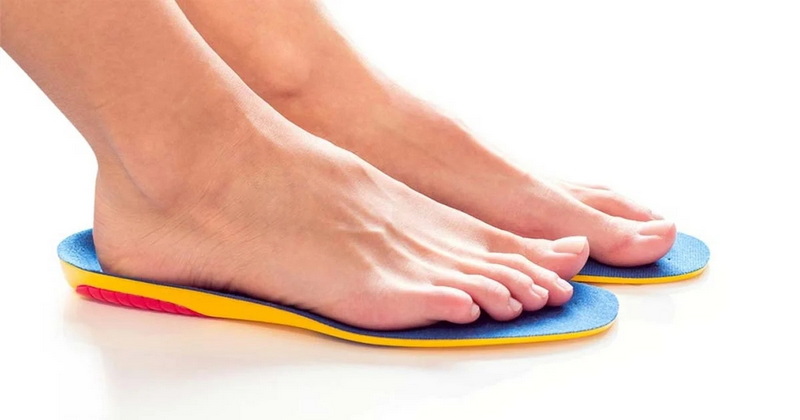
Dr. Scholl's style custom orthotics in 3/4 length are generally designed as no‑trim products that simply slip into most shoes and sit on top of the existing insole. Any trimming of such devices should be very conservative and limited to the front edge only if there is excess length, while avoiding the arch and heel zones.[1]
Most trim‑to‑fit insoles include printed size markings or guide lines on the underside, showing where to cut for different shoe sizes. If your insole has no lines and documentation mentions that trimming is not required, then the product is intended to be used as it is supplied.[1]
For full‑length insoles, removing the shoe's original insole usually creates enough space for the new insert to sit flat and stable. For 3/4‑length orthotics, the design often assumes that they will rest on top of the existing insole, with no removal or trimming needed.[1]
If you cut too much from the toe, the insole may slide forward inside the shoe, leaving the heel unsupported and potentially creating uncomfortable gaps. Over‑trimming can also shift the arch support so it no longer sits under your arch, reducing comfort and support.[1]
The lifespan of consumer orthotics varies, but many are designed to perform well for several months under regular daily use. Replacing them when the cushioning feels flat, the fabric is worn, or support feels reduced helps maintain comfort and foot health.[1]
[1](https://www.youtube.com/watch?v=vTfr_-TDxUo)


