
Views: 222 Author: Edvo Publish Time: 2026-01-19 Origin: Site


Content Menu
>> Key Features of Orthotic Shoes
● Comparing Orthotic Shoes and Insoles
● When to Choose Orthotic Shoes
>> Ideal Situations for Orthotic Shoes
>> Advantages of Orthotic Shoes
● When to Choose Orthotic Insoles
>> Ideal Situations for Orthotic Insoles
>> Advantages of Orthotic Insoles
● How to Evaluate Your Foot Condition
>> Signs You May Need Orthotic Support
● Choosing the Right Orthotics for Your Foot Type
>> High Arches
● Materials and Design Features to Consider
>> Structural Elements to Look For
● Step-by-Step Guide to Making Your Choice
● How OEM Manufacturers Support Orthotic Solutions
>> OEM Capabilities for Orthotic Insoles
● FAQ
>> 1. What conditions do orthotic shoes help with?
>> 2. Can I use orthotic insoles in any type of shoe?
>> 3. How long do orthotic insoles and shoes usually last?
>> 4. Are custom orthotic insoles worth the investment?
>> 5. Should I talk to a doctor before buying orthotic shoes or insoles?
Foot comfort has a direct impact on health, posture, productivity, and long-term mobility. Whether you are walking around a factory floor, standing behind a counter all day, or training on the sports field, painful or fatigued feet can quickly turn daily tasks into a burden. When discomfort becomes frequent, many people ask the same question: should I buy orthotic shoes or insoles?
Both options aim to support your feet, improve alignment, and reduce pain, but they are not identical solutions. Orthotic shoes integrate support into the entire structure of the footwear, while insoles are removable components that can be placed inside different pairs of shoes. Choosing the right option depends on your specific foot condition, lifestyle, budget, and the type of footwear you use most often. This article explores how orthotic insoles work, when each is recommended, and how to make an informed decision that protects your feet in the long run.
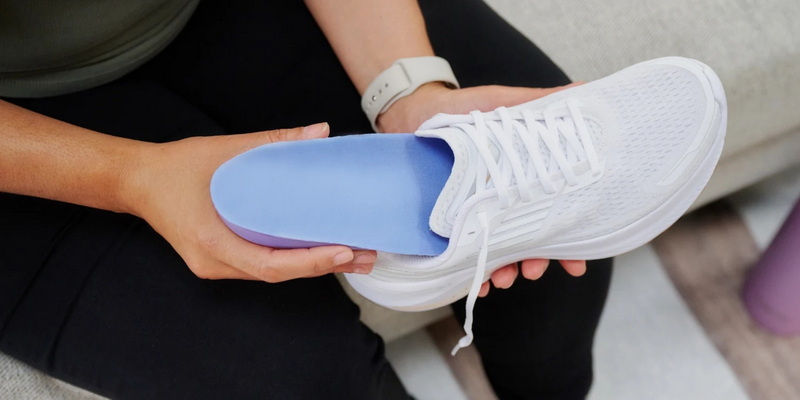
Orthotic shoes are specially designed footwear built around orthopedic principles to support the natural shape and movement of the foot. Unlike normal fashion shoes, they are created with extra depth, stability, and cushioning in mind, making them suitable for people who experience structural problems, chronic pain, or specific medical conditions.
- Anatomical arch support to maintain proper foot alignment and reduce strain on ligaments.
- Cushioned midsoles that absorb impact with every step and protect joints from repeated stress.
- Deep and wide toe boxes that allow toes to spread naturally, reducing pressure on bunions and corns.
- Firm heel counters to stabilize the rearfoot and control excessive inward or outward rolling.
- Non-slip, durable outsoles designed for secure traction and long-term wear.
Orthotic shoes are commonly recommended for people with conditions such as plantar fasciitis, arthritis, diabetic foot problems, severe flat feet, or deformities that require more than just a simple insert. Because support is built into the shoe structure, they can offer full-foot correction and provide stability from heel to toe.
Orthotic insoles, also called orthotic inserts or footbeds, are removable devices that fit inside shoes to provide extra support, cushioning, and alignment. They are an excellent choice for people who prefer to keep their current footwear but need improved comfort and foot function. Insoles range from basic over-the-counter models to fully customized versions created from a foot scan or mold.
- Prefabricated insoles: Mass-produced, ready-made inserts that offer general arch support and cushioning, suitable for mild pain and fatigue.
- Custom orthotic insoles: Tailored to the exact shape of your feet to address specific biomechanical issues such as overpronation, leg length discrepancy, or chronic heel pain.
- Sports insoles: Designed for athletes and active users, focusing on shock absorption, energy return, and stability during dynamic movements.
- Work insoles: Built for people who stand or walk on hard floors for long periods, adding cushioning and support in safety shoes, work boots, and uniform shoes.
- Specialty insoles: Products developed for particular needs such as high-heel insoles, insoles for flat feet, or insoles with metatarsal pads for forefoot pain.
Orthotic insoles help realign the feet, distribute pressure more evenly, and reduce stress on the ankles, knees, hips, and lower back. When properly selected, they can transform a standard shoe into a much more supportive and comfortable option.
The choice between orthotic shoes and insoles depends on how severe your symptoms are and how much flexibility you want in your footwear. Orthotic shoes function as a complete solution, while insoles upgrade the shoes you already own.
- Structure: Orthotic shoes provide built-in support in the midsole, heel counter, and overall construction, whereas insoles focus on the internal footbed only.
- Flexibility: Insoles can be transferred between different pairs of shoes; orthotic shoes are fixed products but often come in multiple styles for work, walking, or everyday wear.
- Cost: Orthotic shoes are generally more expensive than insoles due to their specialized construction, but they may replace several inadequate pairs of shoes.
- Application: Insoles are ideal for mild to moderate issues or as a preventive measure, while orthotic shoes are often recommended for chronic, structural, or medically diagnosed problems.
- Aesthetics: Insoles allow you to keep your favorite sneakers, boots, or casual shoes; orthotic shoes today also offer more attractive designs, but choices can still be more limited than mainstream footwear.
| Aspect | Orthotic Shoes | Orthotic Insoles |
|---|---|---|
| Main function | Full-structure foot correction | Internal support and cushioning |
| Foot condition level | Moderate to severe, chronic issues | Mild to moderate, general discomfort |
| Footwear flexibility | Tied to specific shoe | Can be moved between multiple shoes |
| Cost level | Higher upfront investment | Lower to moderate, depending on customization |
| Best for | Medical needs, deformities, heavy use | Everyday comfort, sports, work shoe upgrades |
Orthotic shoes are usually the best choice if you need comprehensive support and long-term correction rather than just extra cushioning. They are particularly helpful in the following situations.
- You have been diagnosed with conditions such as severe flat feet, advanced arthritis, or diabetic foot problems.
- You experience chronic or intense pain in the heels, arches, or ankles that has not improved with regular footwear.
- Your feet show visible deformities such as strong inward rolling, rigid high arches, claw toes, or serious bunions.
- You require a very stable platform for walking due to balance issues or a history of falls.
- Your existing shoes do not have removable insoles or do not provide enough internal space to accommodate thick inserts.
- Provide a stable base that supports not only the foot but also overall body alignment.
- Offer consistent support in every step without shifting or folding like loose inserts.
- Often designed with additional protective features, such as soft interior linings for sensitive or diabetic feet.
- Save time by integrating both shoe and support in a single product, reducing trial and error between different shoe and insole combinations.
For workers, older adults, or anyone with serious foot pathology, orthotic shoes can deliver reliable comfort throughout long days on their feet.
Orthotic insoles are best for people who want flexibility and convenience without changing all their shoes. They are also an excellent starting point if you are not sure whether you need full orthotic footwear.
- You experience mild to moderate foot fatigue after standing, walking, or running.
- You want to keep your current sports shoes, casual shoes, or work boots but improve their comfort.
- You change shoes regularly and prefer a solution that can be moved from one pair to another.
- You are starting to feel issues such as arch soreness, occasional heel pain, or discomfort in the ball of the foot.
- You want an affordable solution to test whether extra support and cushioning can relieve your symptoms.
- Cost-effective entry into orthopedic support, especially with quality prefabricated models.
- Easy to replace when worn out or when your condition changes.
- Available in different thicknesses, lengths, and materials to match various shoe types and comfort preferences.
- Can be combined with specific footwear, such as safety shoes or sports sneakers, to fine-tune performance and comfort.
For many people, especially active users and younger adults, high-quality insoles are enough to solve common problems such as tired feet, occasional plantar fasciitis, or light joint discomfort.
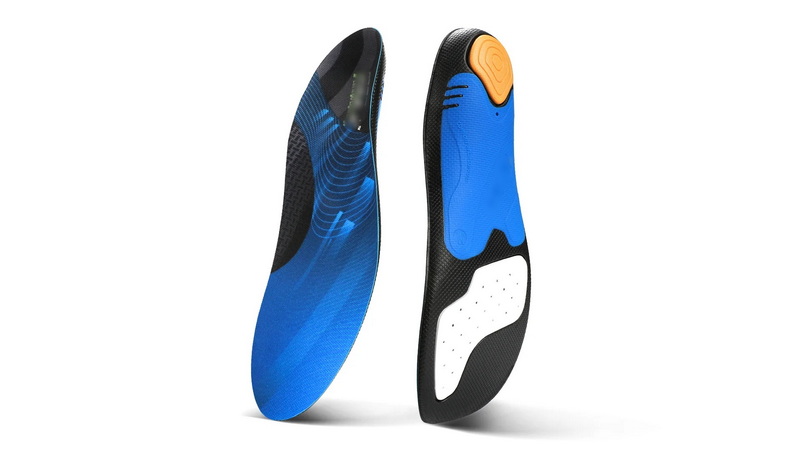
Before deciding whether to buy orthotic shoes or insoles, it is important to understand what is happening with your feet. A simple self-check, combined with professional advice when necessary, can guide you toward the best solution.
- Frequent pain in the heels, arches, or balls of your feet after normal daily activities.
- Visible flattening of the arch or, conversely, very high arches that make your feet look rigid.
- Uneven wear patterns on the soles of your shoes, such as heavy wear on the inside or outside edges.
- Pain that spreads from your feet to your knees, hips, or lower back, which can indicate poor alignment.
- Numbness, tingling, or burning sensations, especially in people with diabetes.
If pain persists for more than a few weeks, becomes more intense, or starts to affect your walking pattern, a podiatrist or orthopedic specialist should be consulted. They can evaluate your gait, check for structural problems, and recommend either custom orthotics, orthotic shoes, physical therapy, or a combination of treatments. A medical assessment is especially important if you have diabetes, circulation problems, or significant joint disease.
Different foot types benefit from different kinds of support. Knowing whether you have flat feet, neutral arches, or high arches helps you select the correct product.
People with flat feet often overpronate, which means their feet roll inward excessively during walking or running. They usually need firmer support that controls motion and prevents the arch from collapsing.
- Look for orthotics with strong arch support and a stable heel cup.
- Orthotic shoes with motion-control features can be very effective.
- Insoles should be firm enough not to flatten under body weight.
Neutral arches are considered balanced, but they still benefit from moderate support and cushioning, especially during sports or long work shifts.
- Choose insoles or shoes with moderate arch support and good shock absorption.
- Focus on comfort, fit, and quality materials rather than extreme corrections.
- Rotating insoles between work, casual, and sports shoes can maintain overall comfort.
High arches tend to be more rigid and absorb less shock naturally. These feet often need softer cushioning to disperse impact forces.
- Select orthotics that combine arch support with generous forefoot and heel cushioning.
- Orthotic shoes with soft yet stable midsoles can reduce pressure on the heel and ball of the foot.
- Avoid very hard, unpadded insoles that may worsen pressure points.
Whether you choose orthotic shoes or insoles, material quality and design details play a major role in performance and durability.
- EVA foam: Lightweight, resilient, and commonly used in midsoles and insoles for both support and cushioning.
- PU foam: Highly durable and supportive, suitable for heavy-duty work or users with higher body weight.
- Gel: Excellent shock absorption for heels and forefeet, often used in targeted zones.
- Memory foam: Provides a soft, personalized feel but must be combined with structural support to avoid collapsing.
- Fabric covers: Breathable, moisture-wicking linings help keep feet dry and reduce friction.
- Deep heel cup that cradles the heel and enhances stability.
- Correct arch height according to your foot type, not too low and not painfully high.
- Forefoot pads or metatarsal support for people with ball-of-foot pain.
- Anti-slip bottom surfaces on insoles to prevent movement inside the shoe.
- Sufficient shoe depth when using thick insoles, so the feet are not cramped.
To decide whether you should buy orthotic shoes or insoles, follow these practical steps.
1. Assess your symptoms
Think about when pain occurs, how intense it is, and which part of the foot is affected. Mild soreness after long standing may point to insoles, while strong daily pain may require orthotic shoes or medical consultation.
2. Check your current footwear
Examine the inside of your shoes. If the insoles are removable and the shoes are deep enough, you can likely add orthotic insoles. If the shoes are very shallow or already tight, dedicated orthotic shoes may work better.
3. Consider your lifestyle
If you use several types of shoes throughout the week, insoles offer flexible support. If you mainly wear one pair of shoes for work or walking, an orthotic shoe designed for that activity may provide more consistent relief.
4. Set a budget range
Determine whether you want a cost-effective, short-term solution or a longer-term investment. Prefabricated insoles are usually the least expensive starting point, while custom orthotics and orthotic shoes represent higher, but often longer-lasting, investments.
5. Start gradually and observe changes
Once you choose a solution, introduce it progressively. Wear insoles or orthotic shoes for a few hours a day at first, then gradually increase usage as your feet adapt. Monitor whether pain decreases, stays the same, or worsens, and adjust accordingly.
For brands, wholesalers, and footwear producers, professional OEM partners play a crucial role in delivering reliable orthotic products to the market. As a leading insole manufacturer in China, specializing in OEM and ODM services for international clients, it is possible to provide customized orthotic insoles designed for different customer segments and usage scenarios.
- Collaborative design based on your brand positioning, target market, and price range.
- Multiple material options including EVA, PU, gel, cork, and hybrid combinations for different performance profiles.
- Customizable shapes, arch heights, densities, and cover fabrics to suit sports, work, casual, and medical applications.
- Private labeling, packaging design, and branding support to help you build a strong presence in your local market.
- Strict quality control processes and compliance with international standards for safety and durability.
By working with an experienced OEM factory, footwear brands and distributors can launch orthotic insoles or shoe lines that match local consumer preferences, reduce development time, and scale production as demand grows. This partnership also allows you to test new product concepts, such as eco-friendly insoles or specialized medical inserts, with lower risk.
Whether you should buy orthotic shoes or insoles depends on your unique combination of foot structure, pain level, daily activities, and budget. Orthotic shoes offer a complete, highly supportive solution for people with chronic, structural, or medically diagnosed conditions. Insoles provide a flexible, cost-effective way to upgrade existing shoes and are often enough for mild to moderate discomfort, sports support, or long working hours on hard surfaces.
The most important step is to listen to your body, observe your symptoms, and, when necessary, seek professional advice. By choosing high-quality orthotic shoes or insoles that match your foot type and lifestyle, you protect your joints, improve your posture, and maintain the freedom to move with confidence every day.
Contact us to get more information!
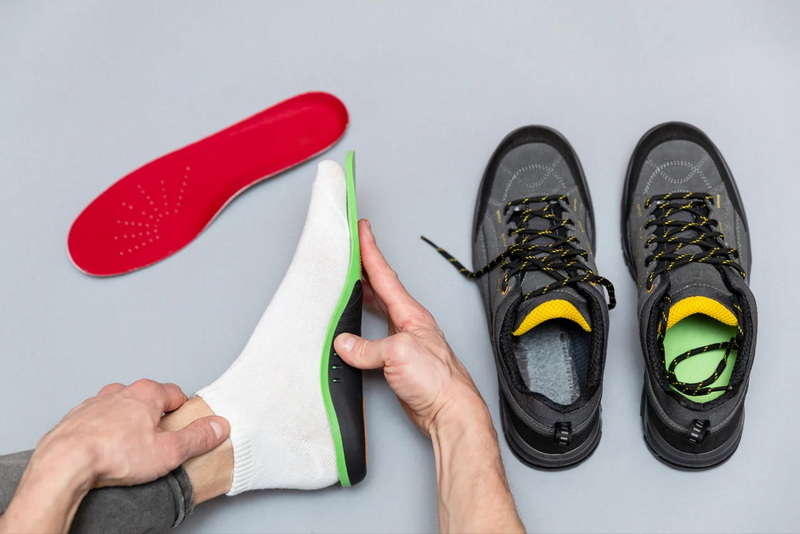
Orthotic shoes help with a wide range of conditions, including plantar fasciitis, severe flat feet, high arches, arthritis, bunions, and diabetic foot problems. They provide structured support that reduces stress on ligaments, muscles, and joints, making walking and standing more comfortable for people with chronic or complex issues.
Not every shoe works well with orthotic insoles. Shoes with removable factory insoles and enough internal depth are the best choice. Very tight, shallow, or narrow shoes may not have enough space for thicker inserts, which can cause discomfort or affect the fit. In those cases, thinner or specially designed insoles, or orthotic shoes, may be more suitable.
The lifespan of orthotic products depends on materials, usage, and body weight. Many quality insoles last around six to twelve months with regular use, while orthotic shoes can often provide reliable support for one to several years. Signs that it is time to replace them include visible compression, loss of cushioning, changes in shape, or the return of foot discomfort.
Custom orthotic insoles are more expensive than standard models, but they are designed to match the exact shape and biomechanics of your feet. For people with persistent pain, structural imbalances, or specific medical diagnoses, custom orthotics can provide more precise support, reduce pressure on problem areas, and improve long-term comfort and mobility.
If your pain is mild and occasional, you can try quality over-the-counter insoles as a first step. However, if you have strong, long-lasting pain, visible deformities, diabetes, circulation problems, or if home solutions do not help, it is wise to consult a podiatrist or orthopedic specialist. They can diagnose the underlying cause and recommend the most effective combination of orthotic products and other treatments.
1. https://my.clevelandclinic.org/health/treatments/orthotics
2. https://footandankleinstitute.com/4-major-benefits-of-custom-orthotics/
3. https://www.rbpodiatry.com/blog/1057460-the-benefits-of-orthotics
4. https://powerstep.com/blogs/news/orthotics-vs-insoles-what-s-the-difference
5. https://www.drscholls.com/blogs/expert-advice/the-difference-between-orthotics-insoles-and-shoe-inserts
6. https://www.drcomfort.com/blog/orthotics-vs-insoles/
7. https://www.nationwidechildrens.org/specialties/sports-medicine/sports-medicine-articles/how-to-choose-orthotics


