
Views: 222 Author: Edvo Publish Time: 2026-01-19 Origin: Site


Content Menu
● What Is the Difference Between Insoles and Orthotics?
>> Orthotics
● Should You Remove Insoles When Using Orthotics?
● When You Should Remove the Insoles
>> Thick or Semi-Rigid Orthotics
>> Shoes With Limited Internal Volume
● When You May Keep the Original Insoles
>> Soft, Cushioning Orthotic Inserts
● How to Fit Orthotics Correctly in Your Shoes
>> Step 1: Remove the Original Insole
>> Step 2: Check the Orthotic Length and Shape
>> Step 3: Place the Orthotic Inside the Shoe
>> Step 4: Test the Fit on Your Feet
● Break-In Period for New Orthotics
● Choosing Shoes That Work Well With Orthotics
>> Shoe Types That Are More Challenging
● Common Mistakes When Using Orthotics and Insoles Together
● When to Seek Professional Advice
● How OEM Insole Manufacturers Support Better Orthotic Use
● FAQ
>> 1. Do orthotics always have to replace the original insoles?
>> 2. Can I wear orthotics in only one shoe?
>> 3. How do I know if my shoes are suitable for orthotics?
>> 4. How long will my orthotics last if I remove the insoles?
>> 5. Can orthotics and cushioned insoles be combined for extra comfort?
Many people who start wearing orthotics are unsure whether they should remove the original insoles in their shoes or simply place the orthotics on top. This choice affects comfort, support, and the lifespan of both your footwear and your orthotic devices. Understanding how insoles and orthotics work together is essential for protecting your feet, joints, and overall posture in daily life.
In most situations, it is recommended to remove the existing insoles before inserting orthotics, especially when using custom or semi-rigid models. However, there are exceptions where both can be worn together comfortably. This article explains when to remove orthotic insoles, when you can keep them, and how to choose footwear that works best with orthotics.
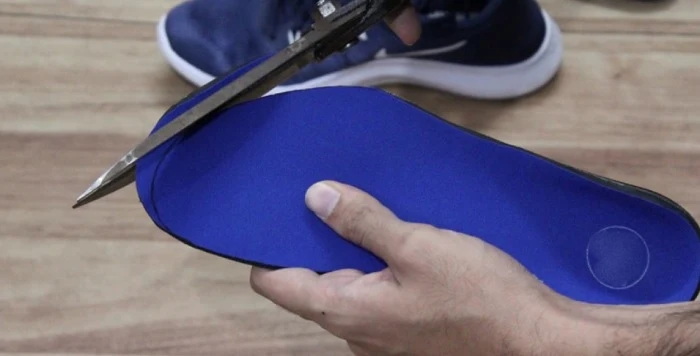
Although they look similar at first glance, insoles and orthotics are designed for different purposes. Knowing this difference will help you decide how to use them correctly inside your shoes.
Regular insoles are the removable or fixed layers that come with most shoes from the factory. Their main purposes are comfort and basic cushioning.
- Usually made of foam, EVA, fabric, or gel
- Provide soft cushioning and shock absorption
- Offer minimal structural support for the arch or heel
- Designed for general comfort rather than medical correction
Orthotics are specialized inserts designed to influence the way your feet move and bear weight. They are often recommended by podiatrists, physical therapists, or orthopedic specialists.
- Can be custom-made or prefabricated
- Aim to correct biomechanical issues such as overpronation, flat feet, high arches, or plantar fasciitis
- Provide targeted support and alignment for specific areas of the foot
- Often firmer than regular insoles and built to hold shape under load
Because orthotics are engineered to sit in a precise position inside the shoe, stacking them on top of thick or contoured factory insoles can interfere with their function.
The general rule is that orthotics should replace the original insoles, not sit on top of them. When orthotics are placed directly against the shoe's midsole, they can work as designed, providing stable contact and accurate support.
If the original insole remains underneath, several problems may appear:
- Reduced space for the foot, making the shoe tight
- Increased pressure on the top of the foot or toes
- Instability as the orthotic rocks on soft foam rather than a firm base
- Misalignment of the arch and heel support
However, there are exceptions where keeping the insole may still be suitable. The key is to evaluate shoe volume, insole thickness, and the type of orthotic being used.
Custom orthotics are usually prescribed to address specific medical or biomechanical conditions. They are often built to fully replace the original insole.
- Designed to match your foot shape and weight distribution
- Calibrated to deliver the right amount of support and correction
- Intended to sit on a flat, stable surface inside the shoe
If you leave the factory insole under a custom orthotic, your foot may sit higher than intended, causing heel slippage, toe crowding, and altered biomechanics.
Semi-rigid or rigid orthotics used for stronger support are generally thicker and less flexible than comfort inserts.
- They require a firm base to maintain their shape
- Soft, cushioned insoles underneath can compress unevenly and tilt the orthotic
- This can lead to instability, localized pressure, and reduced corrective effect
In these cases, removing the original insole allows the orthotic to sit level and remain secure during walking, running, or standing.
If your shoes are already snug, stacking an orthotic on top of an insole can make them uncomfortably tight.
- Your foot may be forced upwards, pressing against the upper
- Toe box space may become limited and cause rubbing or blisters
- The heel area can feel cramped, increasing the risk of irritation
Removing the insole is usually the best solution for dress shoes, narrow sneakers, and certain work boots.
Some shoes, particularly certain running shoes, hiking boots, and safety footwear, are designed with extra depth.
- If the original insole is very thin and flat, and the shoe still feels roomy with the orthotic, you may be able to layer them
- The insole can provide extra cushioning while the orthotic handles support and alignment
In such cases, comfort and stability should be your guide. If the shoe feels too tight or unstable, remove the insole.
Some footwear comes with very basic, low-profile insoles that mainly protect the midsole from sweat and wear.
- If these insoles are extremely thin and do not compress much, some people prefer to keep them under lighter orthotics
- This can improve comfort slightly without seriously affecting fit
However, if any discomfort, pressure, or instability appears, taking out the original insole is advisable.
Not all products labeled as “orthotics” are rigid corrective devices. Some are mainly designed for extra cushioning and mild support.
- Gel or foam-based “orthotic” inserts may be used on top of an insole if the shoe has sufficient depth
- This is often the case with casual or comfort shoes where no strong biomechanical correction is needed
Even in these situations, your feet should feel stable inside the shoe, not squeezed or lifted excessively.
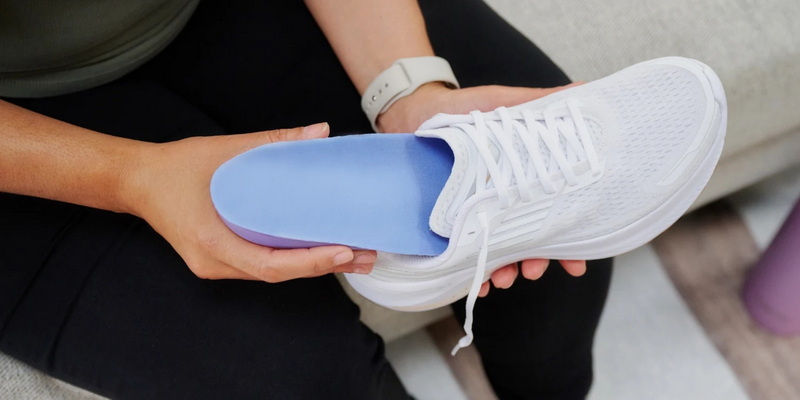
Proper fitting is crucial to getting the most benefit from your orthotics. Follow these steps for the best results.
Take the insole out of your shoe and examine it.
- Check if it is removable and how thick it is
- Use it as a template when trimming full-length orthotics if needed
This creates space and gives your orthotics a clean area to sit on.
Place the orthotic next to the removed insole.
- Compare the length and curve at the toe and heel
- If the orthotic is slightly longer, you may trim it along marked guidelines using scissors
Trim only small sections at a time and re-check frequently.
Position the orthotic inside the shoe.
- Make sure the heel sits all the way back in the heel cup
- Confirm that the edges lie flat and do not curl upwards
- Ensure there are no gaps or wrinkles underneath
A good fit means the orthotic feels securely seated even when you press or twist it slightly with your hand.
Put on your shoes and walk indoors first.
- Check for rubbing, pinching, or excessive pressure under the arch or forefoot
- Make sure your heel does not slip out of the shoe when walking
- Your toes should have comfortable space to move
If discomfort persists after minor adjustments or trimming, consult your clinician or orthotic provider.
New orthotics often require an adaptation period. Your foot, ankle, and leg muscles may need time to adjust to the new support.
- Start by wearing orthotics for one to two hours on the first day
- Increase usage by one to two hours each day if there is no significant pain
- Mild soreness is common, but sharp or persistent pain is a warning sign
If discomfort does not improve after one to two weeks, contact a healthcare professional for evaluation or adjustment.
The shoes you wear with orthotics are just as important as the orthotics themselves. Some designs naturally work better than others.
- Removable insoles: Allow orthotics to replace factory inserts easily
- Deep heel counter: Holds the heel firmly, improving stability
- Adequate depth: Provides enough vertical space for foot and orthotic
- Wide toe box: Prevents crowding and rubbing at the toes
- Firm midsole: Supports the orthotic and prevents excessive bending
Running shoes, walking shoes, hiking boots, and many work shoes are often suitable. Very flat, flexible shoes or high heels usually do not provide enough support or space for orthotics.
- High heels: Limited space and unstable heel position
- Tight dress shoes: Narrow forefoot and shallow internal volume
- Minimalist shoes: Very thin soles and limited structure
In such footwear, only specific low-profile or partial-length orthotics may be appropriate, and in some cases, they may not be recommended at all.
Avoiding a few frequent errors can greatly improve your experience with orthotics.
- Wearing orthotics over thick, cushioned insoles that compress unevenly
- Ignoring the need to replace worn-out shoes with collapsed midsoles
- Using orthotics in shoes that are too small or narrow
- Skipping the break-in period and wearing orthotics full-time immediately
- Not following professional advice regarding which shoes are compatible
Paying attention to these factors will help you get consistent support and reduce the risk of new pain or injuries.
While general guidelines can be helpful, individual feet and conditions vary. It is important to consult a podiatrist, orthopedic specialist, or qualified clinician in the following situations:
- Persistent pain despite using orthotics correctly
- Visible skin irritation, blisters, or calluses in new locations
- New knee, hip, or lower back pain after starting orthotics
- Difficulty fitting orthotics into your regular footwear
A professional can evaluate your gait, check the fit of your orthotics, and advise whether insoles should be removed or kept in your specific case. They may also recommend different shoes or adjustments to your devices.
For brands, wholesalers, and footwear producers, working with a professional OEM insole manufacturer can significantly improve end-user comfort and product value. By integrating orthotic-friendly insole designs into footwear collections, businesses can offer shoes that are easier to combine with medical or aftermarket orthotics.
An experienced insole manufacturer can:
- Develop removable insoles with the right thickness and density to match target markets
- Design insoles that leave sufficient internal volume for orthotic use
- Customize arch profiles, heel cups, and cushioning zones for different activities
- Provide private-label or branded insoles tailored for running, work, outdoor, or everyday shoes
This approach helps international brands and distributors offer footwear that not only looks good but also supports long-term foot health, especially for customers who rely on orthotics.
Whether you should remove insoles when using orthotics depends on the type of orthotic, the design of your shoes, and the thickness of the original insole. In most cases, removing the factory insole allows orthotics to sit correctly, providing better stability, alignment, and comfort. In certain roomy or specialized shoes, thin insoles can sometimes remain in place beneath lighter orthotics, as long as the fit remains secure and comfortable.
The best results come from combining well-fitted orthotics with orthotic-friendly footwear and following a gradual break-in plan. If pain or discomfort continues, professional guidance is essential. For brands and manufacturers, designing shoes and insoles with orthotics in mind can deliver a better experience for global customers and distinguish products in competitive markets.
Contact us to get more information!
In most situations, orthotics are intended to replace the original insoles so they can rest on a stable, flat surface. Keeping the factory insole underneath can make the shoe too tight and reduce the effectiveness of the orthotic. Some exceptions exist for extra-deep shoes with very thin insoles, but these should be evaluated case by case.
Wearing an orthotic in only one shoe can create a height difference and imbalance between your legs. This may lead to hip, knee, or lower back discomfort over time. Unless specifically advised by a medical professional for a unique condition, orthotics are usually worn as a pair to keep your body balanced.
Shoes suitable for orthotics generally have removable insoles, a firm heel counter, enough internal depth, and a reasonably wide toe box. If your shoes feel tight after placing orthotics or if your heel slips out easily, they may not be ideal. Trying the orthotics in several pairs of shoes can help identify which models work best.
The lifespan of orthotics depends on materials, usage time, body weight, and activity level. Many orthotics last from one to several years. Removing the original insoles and ensuring a proper fit can actually help your orthotics wear more evenly, potentially extending their service life compared with unstable or compressed setups.
In some cases, a thin, flat insole can be left in the shoe under a lighter orthotic to add a bit of cushioning. However, combining thick cushioned insoles with rigid orthotics often leads to instability and poor fit. The priority should always be stable support, correct alignment, and enough space for your feet rather than maximum softness alone.
1. https://www.royaldevon.nhs.uk/media/sneklmhq/advice-for-wearing-orthotic-insole-devices-275-v5.pdf
2. https://www.upstep.com/a/community/orthotics/do-insoles-go-over-the-insole-that-comes-in-the-shoe-or-do-we-remove-the-one-that-s
3. https://alineinsoles.com/blogs/news/do-i-remove-original-insoles-when-using-orthotics-insoles
4. https://www.upandrunningpodiatry.com.au/do-you-remove-your-insoles-with-3-4-orthotics/
5. https://www.stridesoles.com/blogs/articles/do-i-remove-original-insoles-when-using-orthotics
6. https://www.bonsecours.com/blog/sports/guide-to-orthotics
7. https://nypodiatry.net/orthotic-faq/


