
Language
Views: 222 Author: Edvo Publish Time: 2026-01-26 Origin: Site


Content Menu
● The Expanding Sportswear Industry in Russia
● Technological Trends among Athletic Insoles Manufacturers and Suppliers
>> 3D Printing and Digital Molding
>> Smart Insoles and Sensor Integration
● Leading Athletic Insoles Manufacturers and Suppliers in Russia
>> Ortmann
>> Doctor Step
● The Role of Chinese OEM Manufacturers in the Russian Market
>> Advantages of OEM Collaboration
● Key Qualities to Consider When Choosing Athletic Insoles Manufacturers and Suppliers
● Sourcing Guide: How to Work with Russian and International Manufacturers
>> Step 2: Product Sampling and Evaluation
>> Step 3: OEM Contract Negotiation
>> Step 5: Logistics and After-Sales Support
● Sustainability and Future Trends in Insole Manufacturing
>> The Rise of Smart Athletic Insoles
● FAQs
>> 1. Which are the top-performing Athletic Insoles Manufacturers and Suppliers in Russia?
>> 2. Why do Russian companies collaborate with Chinese OEM manufacturers?
>> 3. What materials ensure the best performance for athletic insoles?
>> 4. Can Russian Athletic Insoles Manufacturers and Suppliers offer private labeling?
>> 5. What future innovations are expected in the sports insole market?
In today's performance-driven sportswear market, athletic insoles have become essential components for both professional athletes and everyday fitness enthusiasts. High-quality insoles not only provide comfort but also reduce fatigue, prevent injuries, and enhance athletic performance. As health-conscious lifestyles expand across Europe and Asia, demand for reliable Athletic Insoles Manufacturers and Suppliers continues to rise globally.
Russia, with its growing sports culture and evolving consumer preferences, represents a promising market. Local manufacturers, global brands, and OEM producers from China are all contributing to this expanding industry. This article explores the most influential players among Athletic Insoles Manufacturers and Suppliers in Russia, current market dynamics, technological innovations, and strategies for building successful sourcing partnerships.
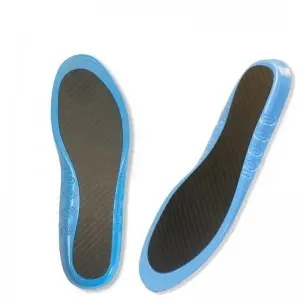
Russia's sportswear and athletic footwear market has experienced steady growth over the past decade. The increasing popularity of fitness clubs, winter sports, and outdoor activities has boosted demand for performance-enhancing footwear accessories. As a result, Athletic Insoles Manufacturers and Suppliers are capitalizing on new business opportunities within the country's retail and manufacturing ecosystems.
The Russian market also benefits from a growing middle class willing to invest in premium-quality sports gear. Government programs promoting physical fitness and health awareness further encourage both local and imported manufacturers to introduce advanced, performance-oriented products.
Modern Russian consumers look for quality, comfort, and durability. Performance-oriented insoles that adapt to cold climates, provide shock absorption, and support long-term foot health are particularly favored. With Russia's diverse weather conditions — from freezing winters to humid summers — locally adapted designs often incorporate both thermal insulation and breathable materials.
The shift toward customized comfort is also notable. Personalized orthotic insoles that match the wearer's activity level, foot shape, and gait pattern attract both athletes and medical consumers. This has encouraged larger companies to invest in R&D and biomechanics testing when designing new insole models.
In recent years, technology has transformed the insole manufacturing process. Advanced automation tools, digital prototyping, and chemical material innovations have helped both Russian and international producers deliver higher precision and efficiency.
3D printing now enables Athletic Insoles Manufacturers and Suppliers to produce complex designs, including customized arch supports and pressure zones. These insoles can be tailored for running, basketball, hiking, or tennis, depending on specific biomechanical requirements.
EVA, PU gel, and TPE (thermoplastic elastomer) remain the most commonly used materials, but manufacturers increasingly experiment with new compounds. For example, recycled foam and plant-based polymers appeal to eco-conscious consumers. Carbon fiber plates and memory foams enhance both rebound and durability, extending product lifespans for heavy sports use.
Another emerging trend is the development of smart insoles equipped with motion and pressure sensors. These wearable devices provide real-time feedback on running form, stride length, and pressure distribution. Although still niche in Russia, this technology is likely to grow, especially among high-performance athletes and tech-driven sports brands.
The Russian insole manufacturing sector includes a mix of traditional orthopedic companies and innovative sports technology enterprises. Below are several of the most influential players in the local market.
Orto Professional is a market leader in biomechanical insole production. Based in Moscow, the company offers orthopedic and athletic insole series catering to runners, skiers, and outdoor enthusiasts. Its production process employs German casting technology and computerized pressure analysis, ensuring each product delivers functional anatomical support.
Though originally a German brand, Ortmann has a strong operational presence in Russia. It focuses on ergonomic footwear accessories, emphasizing comfort, anti-friction fabrics, and moisture control. Ortmann insoles are sold through both professional sports retailers and medical supply chains, reflecting a dual focus on sports and health markets.
FootEnergy Russia stands out for its performance-oriented philosophy. The company engineers lightweight insoles that prioritize flexibility, energy return, and shock dispersion. With a growing online distribution network, FootEnergy is becoming a recognizable name among running communities and fitness equipment retailers.
Doctor Step focuses on antibacterial, breathable, and cushioned insoles. As a domestic brand with a robust online sales strategy, it adapts quickly to demand for everyday athletic and casual insoles. The brand's broad range of price points makes it accessible to both mass-market and mid-range consumers.
An increasingly visible name in Russia's B2B footwear component sector, ComfoStep Industries offers OEM and ODM insole production for local distributors. The company's focus on product diversity — from gel inserts to impact-resistant EVA foams — enables it to serve multiple markets, from performance brands to industrial footwear manufacturers.
Even with strong local producers, Russia's supply network heavily depends on Chinese OEM manufacturers. Chinese Athletic Insoles Manufacturers and Suppliers bring scalable production capabilities, material innovation, and flexible customization services that perfectly complement Russia's growing demand.
1. Cost Control: Lower production and material costs help Russian importers maintain competitive retail prices.
2. Mass Customization: Chinese manufacturers can deliver precise logo embossing, packaging design, and density variations that align with brand strategies.
3. Technological Precision: Modern factories use CNC systems, injection molding, and laser cutting to produce consistent, high-performance insoles.
4. Stable Supply Chain: With mature logistics infrastructure, shipping from China to Russia remains efficient and reliable, minimizing lead times.
Chinese factories often co-develop product lines with Russian distributors, jointly creating innovative insoles built for cold climates, snow boots, and sports shoes. Some large-scale producers even maintain warehouses in key Russian cities for faster fulfillment, providing a hybrid supply model that combines domestic availability with international expertise.
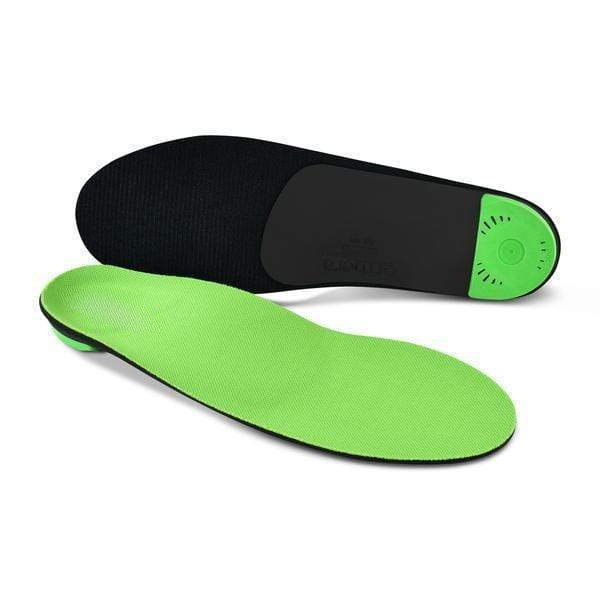
To ensure high performance and comfort, buyers should evaluate suppliers based on the following attributes:
- Material Quality: Prioritize manufacturers using certified EVA, PU, or hybrid materials tested for non-toxicity and long-term resilience.
- Biomechanical Expertise: Look for partners who apply performance testing and pressure-mapping systems.
- Customization Flexibility: OEM manufacturers that accept small-batch private labeling allow for brand experimentation.
- Certifications and Standards: Ensure ISO9001, CE, or SGS certifications for export compliance.
- Brand Collaboration: An ideal supplier provides design support, co-marketing assistance, and regular sample development.
By aligning with manufacturers who meet these standards, global buyers can craft recognizable, trusted products for diverse consumer needs.
Finding and maintaining long-term cooperation with reliable Athletic Insoles Manufacturers and Suppliers requires a structured sourcing strategy. Below are practical steps for successful partnership development.
Begin by analyzing buyer reviews, industry directories, and trade exhibitions to shortlist manufacturers with a verified production background. Russian footwear expos and digital sourcing platforms like Alibaba or Made-in-China.com are excellent starting points.
Request multiple prototypes to assess fit, material density, compression recovery, and durability. Field testing under different conditions helps verify performance claims.
Define clear parameters for design confidentiality, production volume, pricing tiers, lead times, and risk management. Transparent agreements minimize misunderstandings during manufacturing.
Conduct batch inspections or hire third-party auditors to ensure continuous product consistency. Consistent quality builds brand trust in overseas markets.
Evaluate shipping options, warehousing capacities, and after-sales service commitments. Reliable suppliers provide quick response times for reorders and warranty handling.
As environmental awareness grows globally, sustainability influences nearly every sector, including footwear accessories. Athletic Insoles Manufacturers and Suppliers are increasingly integrating recycled or plant-derived polymers, biodegradable foams, and water-based adhesives to reduce environmental footprints.
For example, companies are replacing petroleum-based PU with bio-based alternatives like castor oil foam. This shift not only lowers carbon emissions but also appeals to eco-conscious consumers.
Online foot scanning and digital fitting systems are becoming more common. These enable manufacturers to produce individualized insoles based on precise foot geometry, promising a perfect fit for every customer.
In Russia, sporting goods stores and orthopedic clinics are beginning to adopt such scanning technology, bridging the gap between retail convenience and customized quality.
Sensor-based athletic insoles, once a futuristic concept, are gradually entering mainstream use. These insoles track gait patterns, walking distance, and calorie expenditure, syncing with mobile apps to provide feedback. As wearable technology advances, more suppliers are exploring partnerships with tech startups to produce data-driven fitness accessories.
Russia's Athletic Insoles Manufacturers and Suppliers industry stands at the intersection of technology, comfort, and international trade. Driven by growing consumer demand, the market is evolving from simple foam inserts to advanced, tailored solutions that enhance both athletic performance and everyday wellness.
Local producers like Orto Professional and FootEnergy Russia represent the foundation of domestic innovation, while collaborations with Chinese OEM manufacturers bring scalability, cost-efficiency, and expanded international reach. For buyers, wholesalers, and brand owners, this synergy offers the best of both worlds — localized understanding and global production excellence.
As sustainability, customization, and smart technology reshape consumer expectations, the future of athletic insole manufacturing in Russia looks both competitive and full of opportunity. Those who adapt early to new materials, eco-designs, and digital fitting tools will lead the next wave of growth in this thriving sector.
Contact us to get more information!
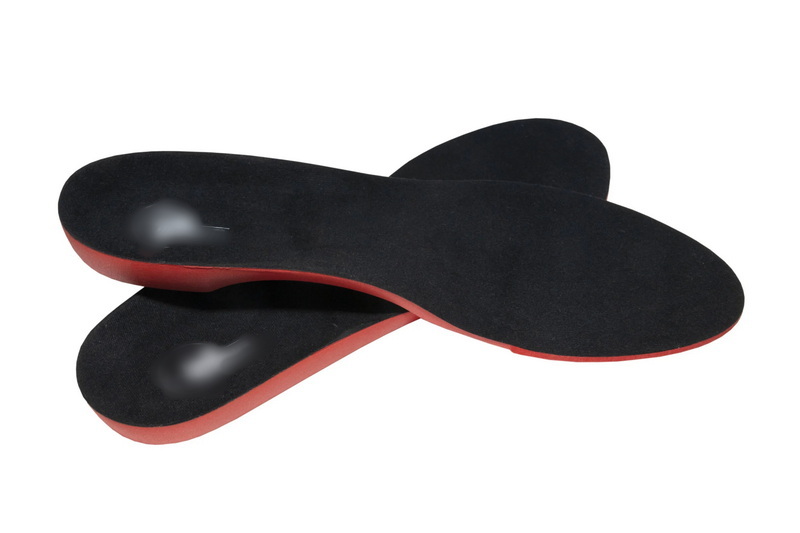
Leading names include Orto Professional, Ortmann, FootEnergy Russia, Doctor Step, and ComfoStep Industries — all offering quality insoles for different sports and comfort needs.
Because Chinese OEMs provide cost-effective customization, faster production cycles, and cutting-edge manufacturing technology, which help Russian brands scale more efficiently.
High-density EVA, PU gel, memory foam, and TPE are preferred for shock absorption and flexibility. New materials like recycled foam and bamboo fiber are also gaining popularity.
Yes, most do. Private labeling and OEM manufacturing are common, allowing foreign brands to add custom designs, logos, and packaging.
Expect to see widespread use of sustainable materials, 3D-printed designs, and smart insoles with sensors that track motion data and improve athlete performance insights.


