
Language
Views: 222 Author: Edvo Publish Time: 2026-01-30 Origin: Site


Content Menu
● The Rise of Sports Insoles in Global Footwear
● Why Spain Leads in Quality and Innovation
>> Distinct Advantages of Spanish Manufacturers
● Leading Sports Insoles Manufacturers And Suppliers in Spain
>> Orliman S.L.
>> Lurbel & Footgel Collaboration
● Spanish OEM Capabilities and Global Collaboration
>> Advantages of Hybrid Cooperation
● Major Trends Transforming the Sports Insole Industry
>> Smart Technology Integration
>> Lightweight Cushioning Innovation
● Selecting the Best Sports Insoles Manufacturer in Spain
● Exporting and Logistics from Spain
● Emerging Market Opportunities
● FAQ About Sports Insoles Manufacturers And Suppliers
>> 1. What distinguishes Spanish Sports Insoles Manufacturers worldwide?
>> 2. Do Spain's manufacturers offer private-label or OEM services?
>> 3. How eco-friendly are Spanish sports insole factories?
>> 4. What are typical lead times for custom orders?
>> 5. Can foreign brands combine Spanish design with Asian manufacturing?
Spain has earned a strong global reputation as one of the leading centers for footwear technology, boasting generations of craftsmanship combined with modern innovation. Among its many industrial sectors, Sports Insoles Manufacturers And Suppliers in Spain have become essential partners for international shoe brands, wholesalers, and original equipment manufacturers (OEMs). Their approach blends advanced materials with performance‑driven engineering, making Spain a hub for both design excellence and sustainable production.
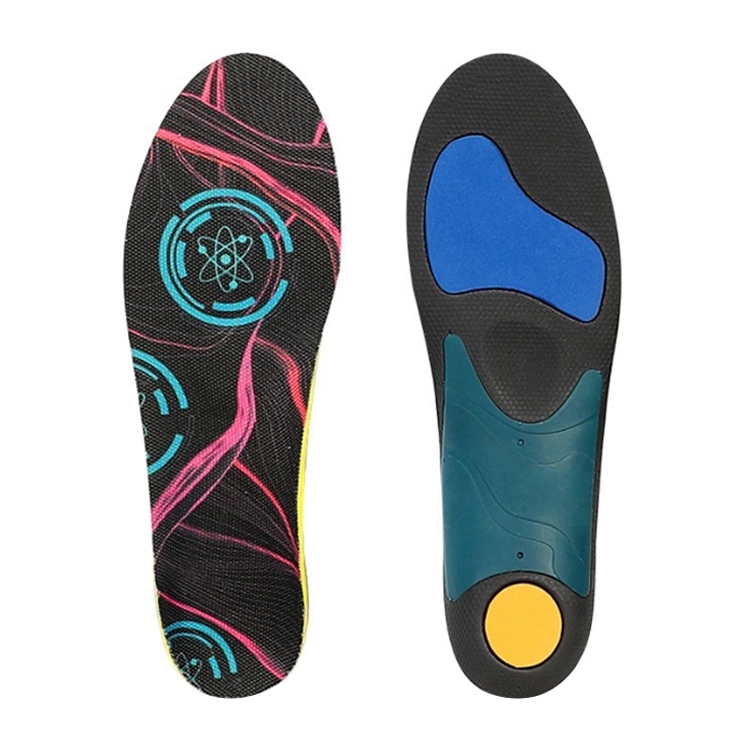
Sports insoles have evolved from simple padding pieces into high‑performance components critical to modern athletic footwear. More athletes, fitness enthusiasts, and everyday consumers now demand insoles that enhance stability, reduce impact, and promote posture alignment. The shift toward health‑conscious lifestyles has fueled rapid growth in this market.
Spanish Sports Insoles Manufacturers And Suppliers have capitalized on this momentum. They integrate biomechanical insights, medical research, and handcrafted precision to create products that satisfy both performance and comfort needs. Institutions such as the Biomechanics Institute of Valencia collaborate with local producers, allowing Spain to maintain its high standards for ergonomics and sports innovation.
Key global growth influences include:
- Rising cases of foot discomfort and sports injuries.
- Expansion of the custom orthotics market.
- Increasing online retail sales of sports footwear.
- Technological breakthroughs in lightweight cushioning materials.
With their consistent attention to detail, Spanish suppliers continue to strengthen international trust in their products.
Spain stands out not only for its long fabric and footwear heritage but also for its strong industrial infrastructure aligned with European Union quality standards. Manufacturing clusters in Valencia, Alicante, and La Rioja are home to many Sports Insoles Manufacturers And Suppliers, offering convenient access to raw materials, skilled labor, and logistics networks.
- Material Innovation: From EVA foams and polyurethane gels to recycled cork and plant‑based polymers, Spanish companies experiment with multiple compositions to optimize energy return and durability.
- R&D Collaboration: Partnerships with universities and sports technology centers enhance their product performance through biomechanical analysis and 3D scanning.
- Sustainability Ecosystem: Spain's environmental policies motivate manufacturers to adopt REACH‑compliant materials, renewable energy sources, and waste‑reducing closed‑loop processes.
- Customization and Branding: OEM clients benefit from design flexibility—custom colors, molds, textures, thickness levels, and packaging—all adjusted for varied athletic applications.
This combination of technological advancement and artisanal skill provides Spanish producers an edge against competitors in other European and Asian markets.
Foreign brands looking for trustworthy, high-performance insoles can rely on a select group of Spanish companies noted for their design expertise, production efficiency, and dependable export capacity.
Located in Valencia, Orliman has been a pioneer in orthopedic and sports comfort solutions for decades. The company merges medical-grade production with athletic engineering, manufacturing insoles that aid performance while preventing injury.
Highlights:
- Factory-compliant with ISO and CE medical standards.
- Extensive collaboration with orthopedic practitioners.
- Robust export infrastructure covering Europe, the Middle East, and the Americas.
Enertor is renowned for its energy return technology used by professional runners and sports leagues. Its patented material absorbs shock up to 44% more efficiently than standard foam. With ergonomic shaping and heat‑mold adaptability, Enertor insoles appeal to performance-focused markets.
Highlights:
- Patented D3O-based impact protection.
- In‑house lab testing and biomechanical evaluation.
- Scalable production suitable for large OEM orders.
This collaboration blends technical textile innovation with ergonomic design. Lurbel's micro‑encapsulation technology integrates with Footgel's cushioning solutions, delivering breathable, antibacterial sports insoles.
Highlights:
- Expertise in moisture management systems.
- Thermoregulating materials ideal for high‑intensity sports.
- Broad distribution network from Europe to South America.
Elicit Plant has captured attention for its eco‑based product line focused on renewable materials. The company's biopolymer insoles combine comfort with environmental responsibility, serving footwear brands seeking sustainable alternatives.
Highlights:
- Renewable, plant‑derived production materials.
- Biodegradable packaging solutions available for OEMs.
- Exceptional fit flexibility without chemical additives.
As one of Spain's most technical Sports Insoles Manufacturers And Suppliers, Footcare Iberica specializes in 3D CAD development and precision orthotic solutions. The brand provides fully customized products for medical and athletic purposes.
Highlights:
- Advanced 3D modeling and CNC milling technologies.
- Orthopedic-certified prototypes ensuring anatomical precision.
- OEM/ODM services with private‑label customization.
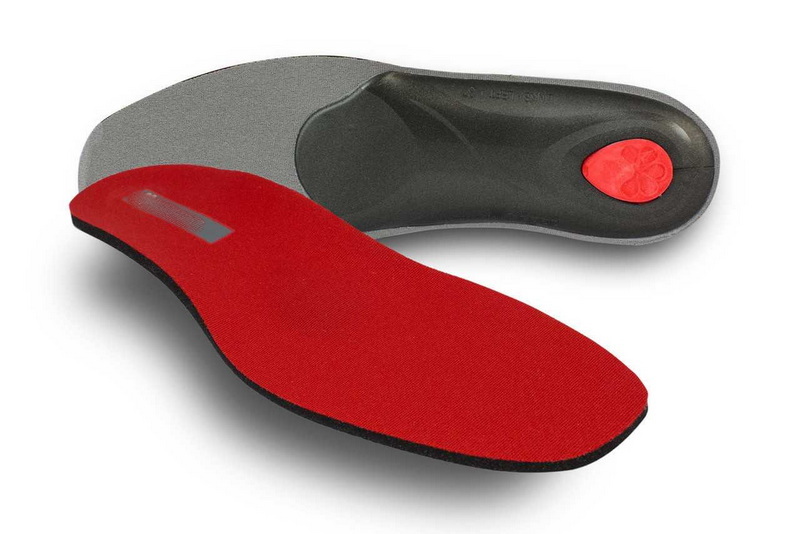
For international footwear producers, Spain offers world-class development services, but large‑scale manufacturing often requires collaboration with Asian facilities. Many top Spanish designers and material engineers partner with Chinese Sports Insoles Manufacturers And Suppliers to enhance flexibility in cost and output volume.
Chinese factories, including our own, complement Spain's design excellence with industrial efficiency. By combining Spanish innovation and Chinese production scalability, global brands benefit from faster turnaround times, consistent quality control, and competitive pricing.
- Spanish R&D designs tailored for brand targets.
- Chinese bulk manufacturing with high-quality standards.
- Global supply chain integration reducing lead times.
- Dual technical support for design optimization and logistics.
This cross‑regional synergy ensures professional quality that meets the expectations of premium sports footwear brands worldwide.
The sports insole market evolves rapidly, driven by consumers seeking personalization and by brands prioritizing innovation.
Modern insoles incorporate sensors that monitor gait analysis, track movement data, and connect via mobile apps. Spanish producers are collaborating with technology firms to create smart health monitoring devices for sports and medical applications.
To reduce environmental impact, many European factories employ natural cork, algae-infused foams, and post-consumer recycled EVA. Consumers increasingly expect transparency about raw material origins and end‑of‑life product recyclability.
3D foot scanning and artificial intelligence modeling now enable highly personalized fitting solutions. For professional athletes, these customized insoles improve balance, shock resistance, and energy return across specific athletic categories.
The demand for high-performance insoles that remain lightweight without compromising durability drives ongoing research into carbon-infused foams and gel hybrids. Spain's scientific institutions remain heavily involved in material testing.
Choosing from a competitive base of suppliers requires clearly defining your priorities—product function, design freedom, sustainability goals, or price.
When assessing potential partners, consider:
1. Technical Support: Availability of rapid prototyping and testing capabilities.
2. Production Capacity: Matching order quantities and delivery schedules.
3. Certifications: Including ISO, REACH, or EN standards relevant to export markets.
4. Quality Control: Traceability systems during each production phase.
5. Cultural Compatibility: Ease of communication and responsiveness to international clients.
Selecting Sports Insoles Manufacturers And Suppliers with these qualities dramatically improves workflow efficiency and end‑product consistency.
Spain's strong logistics network simplifies operations for global buyers. Key seaports like Valencia, Barcelona, and Bilbao ensure connectivity with North America, the Middle East, and Asia. For European clients, intra-EU trade regulations provide seamless cross-border transactions with minimal documentation requirements.
Many exporters work with inspection agencies to handle product testing, ensuring smooth customs clearance and global shipment compliance.
Spain's dedication to professionalism and strict quality management gives foreign buyers peace of mind. Many manufacturers also showcase their products at prominent events such as Lineapelle Milan and Futurmoda Elche, emphasizing transparency and international credibility.
The coming decade presents exciting prospects for Sports Insoles Manufacturers And Suppliers in Spain. With the global sports footwear market projected to exceed USD 150 billion by 2030, insoles will play a greater role in comfort and performance innovation.
Key opportunity areas include:
- Orthopedic sports technology for injury prevention.
- Custom 3D-printed insoles for running and cycling.
- Vegan and biodegradable product lines.
- Integration with wearable fitness trackers.
- Collaboration with e-commerce brands focusing on foot health accessories.
Spanish manufacturers are already investing in automation, data-driven design, and AI‑enhanced testing tools to maintain leadership in these segments.
Between 2026 and 2032, the Spanish insole sector is expected to maintain steady growth through sustained innovation, environmental compliance, and cross-border cooperation. With Spain's balanced approach to creativity and engineering, its manufacturers will continue attracting OEM clients seeking long-term partners for global product expansion.
Overall, the market trend points toward smart, sustainable, and fully customized insoles, signifying an exciting new chapter for both established and emerging suppliers.
Spain's Sports Insoles Manufacturers And Suppliers combine traditional shoemaking passion with cutting-edge manufacturing solutions. Their ability to merge design artistry with scientific research has positioned them at the forefront of the global performance footwear industry.
For international brands, partnering with Spanish manufacturers—or integrating their know-how into Chinese production frameworks—delivers measurable quality advantages, sustainability credentials, and business growth potential. As consumer expectations continue evolving, Spain's dedication to innovation ensures it remains a strategic choice for OEM and ODM collaborations in the global sports insole marketplace.
Contact us to get more information!
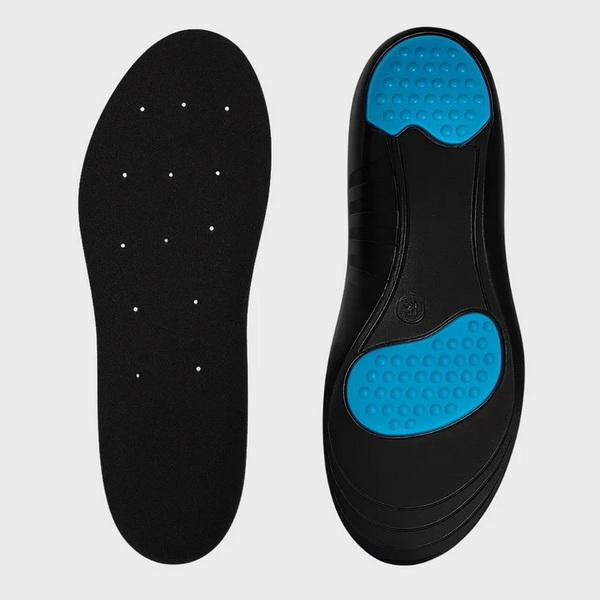
Spanish producers integrate centuries-old craftsmanship with modern biomechanics and sustainability technology, providing high-quality, performance‑enhancing insoles trusted by global brands.
Yes, almost all Sports Insoles Manufacturers And Suppliers in Spain provide flexible OEM and ODM options, allowing clients to create custom designs, logos, and exclusive packaging.
Most follow REACH and ISO environmental standards, using renewable materials, water‑based adhesives, and recycled foams to support eco‑friendly production.
Depending on complexity, OEM production typically takes 30‑60 days after prototype confirmation, with shorter cycles available for repeat orders.
Yes. Many brands collaborate with Spanish R&D teams for concept and sample development, then use Asian factories for large-volume production to optimize cost efficiency.


