
Language
Views: 222 Author: Edvo Publish Time: 2025-12-09 Origin: Site


Content Menu
● Warmth And Heat Distribution
● Fit, Comfort, And Footwear Compatibility
● Battery Performance And Temperature Control
● Outdoor Sports And Professional Use
● Comparison Table: Heated Socks Vs Heated Insoles
● Why Many Users Prefer Heated Insoles
● How OEM Heated Insoles Add Value For Brands
● Practical Selection Guide For End Users
● FAQ
>> 1. Are heated socks warmer than heated insoles?
>> 2. Which option lasts longer in daily use?
>> 3. Are heated insoles comfortable for all types of shoes?
>> 4. Do both products help with circulation and cold related discomfort?
>> 5. Which is better for brands and wholesalers to start with?
For people who spend long hours in cold environments, warm and comfortable feet are essential for safety, performance, and overall comfort. Heated socks and heated insoles are two of the most popular solutions, but they work in different ways and suit different users. Understanding the strengths and limitations of each option helps you choose the right product for daily commuting, outdoor work, or winter sports.
As a leading heated insole manufacturer serving global brands, wholesalers, and producers, your company can present both products in a clear, educational way to build trust and attract professional buyers. This article compares heated socks and heated insoles from the perspective of warmth, comfort, care, durability, and application scenarios. It also explains why high quality heated insoles are often the smarter long term choice for brands that want reliable performance and lower maintenance.
Throughout the article, you can insert multiple product photos of heated socks in use, close up shots of heating elements inside insoles, and lifestyle scenes such as commuting, hiking, skiing, or working outdoors. You can also embed short demonstration clips showing how to install, charge, and control heated insoles or how they perform inside different footwear.

Heated socks are textile products with integrated heating elements powered by rechargeable or replaceable batteries. They are worn like standard winter socks and deliver warmth directly around the entire foot, especially the toes and upper area. Many designs use thin wires or flexible heating panels combined with breathable, moisture wicking fabrics to keep feet dry while maintaining steady warmth.
Battery packs are usually placed near the upper part of the sock, often around the cuff, and connect to internal wiring. Some models include simple push button controls on the battery pack, while others offer remote or app based adjustments for convenient temperature control during outdoor activities.
In this section of your article, consider adding close up visuals of different sock structures, highlighting the heating zone distribution and battery placement. An explainer clip can show how the battery connects and how a user changes settings during hiking or skiing.
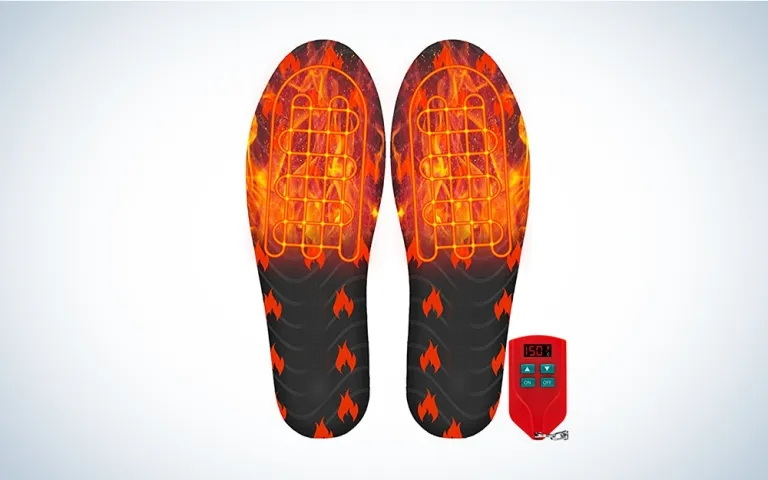
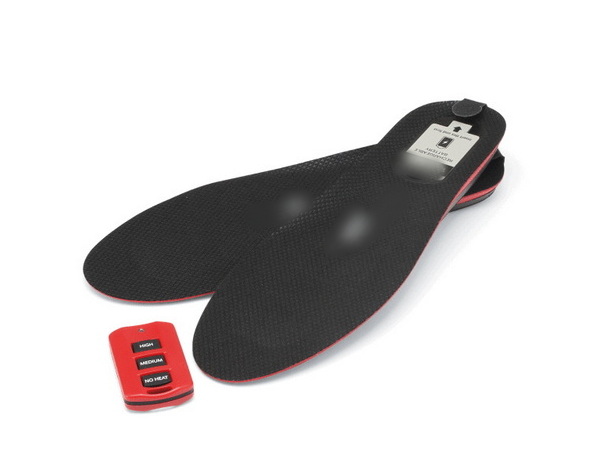
Heated insoles are removable footbeds with built in heating elements placed inside shoes, boots, or work footwear. They deliver warmth from the bottom of the foot and can be designed to cover the entire sole for even heat distribution. Advanced models integrate ergonomically shaped foam or composite layers to support the arch and heel while spreading gentle warmth at a consistent level.
Many modern heated insoles use rechargeable power with batteries integrated into the heel section or connected via a slim cable to an external battery pack. Users can often adjust temperature through built in buttons, handheld controllers, or wireless remotes, depending on product design. Because the insole sits inside the shoe, it stays protected from dirt and weather during use and storage.
This section is ideal for cutaway visuals of insole layers, illustrations of heat coverage under the foot, and clear product shots inside common footwear like winter boots, work shoes, and casual sneakers. Short demonstration clips can show trimming to size, inserting into shoes, and switching between different heat levels.
Heated socks surround the foot with warmth because the heating elements are close to the skin and often extend over the toes and upper foot. This creates an intense and immediate warming effect that can be very helpful for extremely cold conditions or users with poor circulation.
Heated insoles focus heat on the sole, which can provide more balanced, gentle warmth for the entire bottom of the foot. Although the sensation is usually less intense than heated socks, it still helps maintain blood flow, reduce stiffness, and protect against cold related discomfort during long wear.
For this part, you can use infrared style visuals comparing heat patterns around the foot with each product type, or animated diagrams showing how warmth spreads from the sole versus from all around the foot.
Heated socks fit like thicker winter socks, so users often only need slightly more space inside their shoes or boots. Because heating elements and battery packs are built into the fabric, some people may notice pressure points or bulk, especially with tighter footwear or long wear times.
Heated insoles may slightly reduce internal shoe volume because they add thickness under the foot, but they usually maintain the original feel of the upper part and toe box. Ergonomic insole designs can also improve support, alignment, and shock absorption compared with basic sock based solutions, especially for workers, hikers, and skiers who stand or move for many hours.
Here you can show comparison visuals of shoes loaded with heated socks versus shoes equipped with heated insoles. Short walk test clips highlighting user feedback on comfort in different shoe types are also helpful.
Heated socks need washing after regular use because they are in direct contact with sweat, skin, and odor. Repeated washing can gradually stress the textile and internal heating components, which may shorten product life if users do not follow care instructions carefully.
Heated insoles rarely require washing and are easy to wipe clean or air dry after use. Since they sit inside the shoe, they avoid frequent exposure to moisture during cleaning and therefore experience less mechanical stress over time. This lower maintenance requirement is a key reason many long term users prefer heated insoles for daily work and commuting.
In this section, include step by step visuals or short care instruction clips that demonstrate cleaning heated socks versus wiping and drying heated insoles. This content is valuable for end customers and also for brands that want to reduce returns due to misuse.
Frequent washing, stretching, and folding of heated socks can cause wear on the wiring, heating panels, and seams. Over many use cycles, this may lead to reduced performance or failure if the product is not built with robust protection and flexible conductors.
Heated insoles are more stable in shape and experience less mechanical deformation because they are supported by shoe structure. With proper materials and encapsulation technology, high quality heated insoles can deliver long term reliable function, making them a strong option for professional users such as outdoor workers, delivery staff, and winter sports enthusiasts.
This part of the article can be supported with testing related visuals, such as bending tests, compression tests, and long duration heat tests, to build confidence among business buyers.
Both heated socks and heated insoles use battery power, often with multiple heat levels to balance warmth and runtime. In many cases, larger capacity batteries deliver longer operation at moderate settings, while compact battery packs save weight and bulk but reduce working time.
A common advantage of heated insoles is the convenient placement of the battery inside or near the heel, which keeps cables hidden and weight low around the ankle. Heated socks usually position batteries near the upper part of the sock, which can be slightly more noticeable under tight pants or with some sports equipment.
In this section, consider detailed close ups of battery modules, connection ports, and control buttons, as well as interface screenshots if app based management is available. Short clips can demonstrate how quickly users can change heat levels without removing footwear.
Heated socks made from moisture wicking and breathable fabrics help reduce dampness around the skin, but they still absorb sweat and must be washed regularly. If users delay washing, bacteria and odor may build up, which is not ideal for sensitive skin or long shifts.
Heated insoles improve comfort and circulation by keeping the sole warm and dry while allowing users to choose appropriate socks based on activity. Insoles made from breathable, sweat absorbing materials reduce odor and help maintain a healthier foot environment, especially in cold and humid conditions.
You can place macro shots of surface textures, material layers, and ventilation designs to highlight hygiene related advantages, along with simple educational diagrams about airflow and moisture management inside footwear.
For extreme winter sports such as skiing, snowboarding, or mountaineering, many users appreciate the intense, full coverage warmth of heated socks. They are especially effective for protecting the toes in deep cold when circulation drops quickly during low activity phases like lifts or rest periods.
For everyday winter sports, commuting, long distance walking, or outdoor work, heated insoles often provide more controlled and comfortable warmth from morning to night. Because they integrate easily into a wide range of boots and shoes, they are attractive to delivery workers, construction teams, traffic controllers, and others who cannot frequently change or adjust socks during a working day.
Here you can use lifestyle visuals of different user profiles in real environments, supported by testimonial style clips that show practical benefits in real working scenarios.
| Aspect | Heated Socks | Heated Insoles |
|---|---|---|
| Heat coverage | Surrounds most of the foot with strong, direct warmth. | Warms the sole with even, gentle heat distribution. |
| Best conditions | Very cold climates and high exposure outdoor sports. | Daily commuting, work, and general winter activities. |
| Footwear fit | Feels like thick winter socks; battery near the upper area. | Slightly reduces internal volume underfoot; keeps upper fit similar. |
| Care and cleaning | Needs regular washing, which stresses components. | Rarely washed, usually just wiped and dried. |
| Durability | Textile wear and repeated washing can reduce life. | Stable structure supports longer service with proper design. |
| Battery placement | External or cuff mounted packs can feel bulky. | Batteries often integrated into heel or insole body. |
| Versatility | Can be worn indoors or outdoors without shoes. | Works whenever footwear is worn; ideal for boots and work shoes. |
In the comparison section, simple side by side product shots and overlay captions help readers understand these differences quickly. Short clips with real user scenarios (for example, switching from office to outdoor job site) provide additional context.
When cost, durability, and convenience are considered together, heated insoles often provide better long term value for regular winter users. They demand less washing, maintain performance over more cycles, and deliver consistent warmth without changing sock habits. For brands and wholesalers, heated insoles also support higher levels of product differentiation through shape, cushioning structure, and control technology.
At the same time, heated socks remain an excellent niche solution for users who prioritize maximum warmth around the entire foot and toe area, especially in severe outdoor conditions or high altitude sports. A combined product line that includes both heated socks and heated insoles allows businesses to meet diverse customer needs and capture more segments of the winter accessories market.
In this strategic part of the article, you can include brand level visuals such as packaging concepts, product family photos, and user group overviews. Short case study clips, even simple animated graphics, can also demonstrate how different end users choose between the two options.
As a professional heated insole manufacturer, your company can customize product structures, materials, sizes, and control systems for overseas brand owners, wholesalers, and producers. Customizable elements include insole thickness, arch support curve, upper fabric type, and heating zone pattern, which allow brands to match different footwear categories and market positions.
Your factory can also offer tailor made solutions for battery capacity, control interface, and connectivity, helping partners balance weight, runtime, and cost for their target consumers. Through OEM and private label cooperation, global clients receive fully supported product development, from concept design and prototyping to mass production, packaging, and certification.
In this section, include behind the scenes visuals of your production lines, material testing labs, and design team, along with short clips that walk buyers through the OEM process step by step.
To help your readers make a confident decision, provide simple selection guidance that they can apply immediately:
- Choose heated socks when regular activities involve extreme cold, long periods of low movement, or open environments where maximum warmth is more important than long term durability.
- Choose heated insoles for daily commuting, work duties, and winter sports where users wear shoes or boots all day and want balanced comfort, easy care, and strong support.
Additional considerations include footwear type, sensitivity to bulk or pressure, tolerance for washing electronics, and preference for direct or gentle warmth. Your article can include an interactive style visual or infographic that guides users through these questions and suggests the best product type based on their answers.
Both heated socks and heated insoles can effectively keep feet warm in winter, but they serve different needs and user profiles. Heated socks deliver intense, all around warmth and are ideal for severe cold and demanding outdoor sports, while heated insoles offer balanced heat, better support, easier care, and strong long term value for daily use and professional environments.
For overseas brands, wholesalers, and producers, collaborating with a specialized heated insole manufacturer provides access to customizable, reliable, and market ready products that fit a wide range of shoes and customer types. By offering both heated insoles and, where appropriate, matching heated sock lines, your business can position itself as a comprehensive winter foot care solution provider and capture more opportunities in global cold weather markets.
If you are seeking a stable OEM partner to develop high performance heated insoles tailored to your brand, contact the manufacturing team to discuss custom structures, materials, and control options that match your target market.
Heated socks usually feel warmer because they wrap heat around the entire foot, especially the toes and upper side. Heated insoles focus warmth on the sole, delivering a more gentle but still effective heating effect suitable for long wear periods.
Heated insoles often last longer because they are not washed frequently and experience less stretching and folding during use. Heated socks face regular laundering and textile wear, which can gradually weaken internal components if care instructions are not followed.
Modern heated insoles are designed to fit most winter boots, casual shoes, and work footwear, with trim to fit options for better sizing. Very tight footwear may need careful selection of insole thickness to avoid excessive pressure under the foot.
Both heated socks and heated insoles support better blood flow and reduce stiffness or numbness in cold conditions by keeping the feet warm. This is especially useful for users who stand or walk outside for long hours or who have naturally cold extremities.
For many international partners, heated insoles are the best starting point because they offer strong differentiation, easier after sales service, and compatibility with multiple footwear categories. Heated socks can then be added to the product line to cover extreme cold and sports oriented segments for a more complete offer.


