
Language
Views: 222 Author: Edvo Publish Time: 2025-12-01 Origin: Site


Content Menu
● What Are Magnetic Shoe Laces?
● Why Magnetic Laces Matter for Orthotics
● Main Benefits for Orthotic Wearers
● Magnetic Laces vs Elastic No‑Tie Laces
● Best Use Cases with Orthotic Insoles and Braces
● Installation and Adjustment Guide
● How Magnetic Laces Complement Professional Orthotic Insoles
● Suggestions for Practical Visuals and Videos
● FAQ
>> 1. Are magnetic shoe laces suitable for all types of orthotic insoles?
>> 2. Can people with very limited hand strength use magnetic laces?
>> 3. How often do magnetic laces need to be replaced?
>> 4. Do magnetic laces affect the support provided by orthotic insoles?
>> 5. What should brands and manufacturers consider when pairing orthotics with magnetic laces?
Magnetic shoe laces can greatly improve the comfort, convenience, and safety of footwear for people using orthotic for shoes or braces. The best option is not a single brand, but the system that best matches your orthotic volume, foot condition, mobility level, and shoe type.

Magnetic shoe laces replace traditional knots with a pair of compact magnetic closures positioned on the instep zone of the shoe. Instead of tying and untying, the wearer pulls the laces to the desired tension once, then simply snaps the magnets together to secure the shoe. When it is time to take the shoes off, the magnets are pulled apart or released using a simple motion, allowing the shoe to open widely. Many systems are designed to work with existing laces, while others are sold as full lace kits with magnets already attached. For orthotic users, this is particularly useful because the magnets help maintain consistent tension over a bulkier insole while keeping the upper easy to open.
A typical magnetic lacing solution consists of two magnet modules, one on each side of the tongue, threaded into the lace ends. When the wearer brings their feet together or uses their hands, the magnets connect and hold the laces in place without any knots. Because the magnets sit on top of the shoe, they are easy to see and operate. Some designs have a push‑to‑release mechanism, while others separate with a twist or a firm pull. These features make magnetic laces especially attractive for people with hand weakness, arthritis, tremors, or limited fine motor control, who often find traditional laces frustrating and painful to manage.
Orthotic insoles and braces often increase the overall volume inside the shoe, particularly under the arch and heel. When the foot sits higher in the shoe, the upper needs to open wider to let the foot in, and then close evenly to keep the ankle and midfoot stable. Traditional laces can do this, but they require frequent re‑tying and re‑adjusting, especially when the orthotic is new or when the wearer's feet swell during the day. Magnetic laces simplify this process: once the ideal tension is set, the magnets allow the user to open and close the shoe without changing that tension each time.
For many orthotic users, independence is as important as comfort. Bending down, gripping laces, forming loops, and tightening knots can be difficult or even impossible after surgery, in old age, or with neurological conditions. Magnetic laces reduce these steps to one or two simple movements. Orthotic users who previously relied on caregivers for footwear can often put on and remove their own shoes once magnetic laces are installed. This sense of independence helps improve confidence and encourages more frequent walking, which is beneficial for overall health and rehabilitation.
The advantages of magnetic shoe laces are especially noticeable when combined with custom or prefabricated orthotic insoles:
- Easier entry and exit: The magnets allow the upper to open wide while still holding the pre‑set tension in the laces. This is ideal for shoes that must accommodate high‑volume insoles, heel lifts, or ankle‑foot orthoses.
- Consistent fit: Orthotic insoles are most effective when the heel is firmly seated and the midfoot is gently but securely locked in place. Magnetic laces make it easier to keep the same tension every time the shoe is worn.
- Reduced strain on hands and back: Users no longer need to bend deeply, pinch thin laces, or tie complicated knots. This is valuable for anyone with back pain, knee issues, or reduced hand strength.
- Fewer trip hazards: Loose laces are a common cause of trips and falls, particularly for people with balance or sensory problems. With magnets, laces are kept short, tidy, and close to the shoe.
- Better compliance: When shoes are easier to manage, patients are more likely to wear their orthotics as prescribed, rather than avoiding them because of the hassle of putting them on.
These benefits make magnetic laces a natural partner for modern orthotic insole programs offered by brands, clinics, and OEM manufacturers.
Elastic no‑tie laces are another popular solution for adaptive footwear. They use stretchy cords and a locking mechanism instead of magnets. For orthotic users, both magnetic and elastic systems have specific strengths.
Magnetic laces shine in situations where opening the shoe very wide is needed, such as when inserting an orthotic brace or a thick custom insole. The shoe can be fully opened because the magnets simply separate; then, once the foot is inside, the two modules are snapped together without changing the adjustment of the lace segments. This provides a quick, repeatable closure, which is especially useful for people who struggle with coordination.
Elastic no‑tie laces, on the other hand, excel at distributing pressure across the top of the foot. Because the lace material itself stretches, it can adapt to swelling, movement, and minor changes in foot shape throughout the day. Many users find this more comfortable over sensitive areas, scars, or bony prominences. A hybrid solution, combining elastic laces with a magnetic closure, is often an excellent choice for orthotic wearers who want both even pressure and maximum access.
Different orthotic scenarios benefit in specific ways from magnetic shoe laces:
- Plantar fasciitis and heel pain insoles: These insoles often raise the heel and support the arch, which can make shoes feel tighter across the top. Magnetic laces keep the midfoot securely locked while still allowing shoes to be taken on and off easily, helping the user wear the insoles consistently during daily activities.
- Flat foot and over‑pronation insoles: Corrective insoles for flat feet aim to realign the foot. If the laces are too loose, the foot can collapse inward over the orthotic. A stable magnetic closure helps maintain the corrected position by holding the upper firmly around the heel and midfoot.
- Ankle‑foot orthoses (AFOs): AFO users need the shoe to open very wide to accommodate the brace. Magnetic laces can be placed higher up the shoe, so the lower eyelets remain free to open widely. Once the brace is inside, the magnets are snapped together to secure the upper, avoiding lengthy lacing procedures.
- Diabetic and sensitive feet: People with diabetes require footwear that minimizes pressure points and friction. With careful adjustment, magnetic laces can help remove bulky knots from the forefoot area and keep the closure smooth. When combined with properly designed diabetic orthotic insoles, they can support both comfort and protection.
- Post‑operative and rehabilitation situations: After surgeries to the foot, ankle, knee, or hip, patients often must limit bending and twisting. Shoes with magnetic laces can be prepared by caregivers, then used independently by the patient. This reduces dependence and speeds up reintegration into daily routines.
When choosing the best magnetic shoe laces for orthotics, several technical details should be considered carefully.
1. Magnet strength and release method
The magnets must be strong enough to stay connected during normal walking, turning, and climbing stairs, but still easy for the wearer to open. If the user has significant hand weakness, a design that opens with a simple lever or push action may be better than one that requires a strong pull. For active users, slightly stronger magnets may be necessary, while more fragile patients may prefer a softer release.
2. Lace material and thickness
Some magnetic systems include flat laces, while others work best with round laces. For orthotic applications, flat laces often spread pressure more evenly over the tongue, which can be more comfortable. However, round laces may glide more smoothly through eyelets and are sometimes easier to adjust. The material should be durable, resistant to fraying, and compatible with the shoe's eyelets.
3. Shoe compatibility and eyelet layout
Not every shoe is ideal for magnetic laces. Orthopedic shoes, walking shoes, and many athletic trainers are usually compatible. Very thick leather boots, unusual eyelet configurations, or extremely thin fashion shoes can be more difficult to convert. Before purchasing, it is important to check whether the magnet module will sit in an accessible, comfortable position when threaded through the shoe.
4. Orthotic volume and tongue padding
The height of the orthotic insole or brace influences where the magnets will sit on the tongue. In shoes with minimal padding, the magnets might press on the top of the foot if positioned too low. For sensitive feet, selecting shoes with slightly thicker tongue padding or adding a small extra pad under the magnets can enhance comfort.
5. User mobility profile
Someone with strong hands and mild foot issues will have different needs from an elderly person with advanced arthritis and balance problems. When recommending magnetic laces for orthotic users, it helps to categorize them: independent and active, independent but fragile, or dependent with caregiver support. Each group will value slightly different features, such as super‑fast closure, extra‑secure magnets, or very easy release.
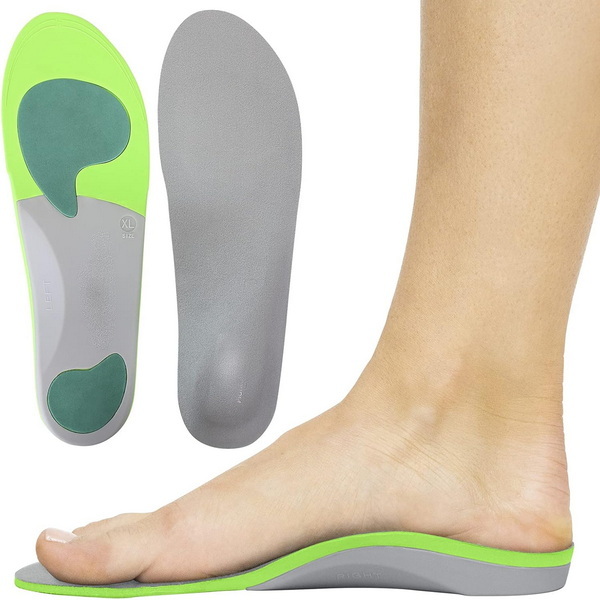
Correct installation is essential to get the full benefit of magnetic laces with orthotics. The following general steps can be used as a guideline:
1. Prepare the shoe and orthotic
Remove the original insole and insert the orthotic insole or brace according to professional instructions. Make sure the orthotic is fully seated in the heel area and lies flat without curling. Re‑lace the shoe loosely with the new laces, leaving the upper two or three eyelets free for the magnets.
2. Position the magnets
Put on the shoe with the orthotic and stand up. Pull the laces so the shoe feels secure but not tight. Mark the position on each lace where the magnets should sit when the shoes feel comfortable. Ideally, the magnets should be above the widest part of the foot, resting on the padded tongue.
3. Attach and secure the modules
Thread each magnet module according to the product instructions, making sure any locking screws or clamps are fully tightened. Trim excess lace if necessary, but leave enough length to make small future adjustments.
4. Test movement and comfort
Walk indoors on a safe surface, trying straight walking, turning, and gentle stairs. If the magnets pop open or the shoe feels too tight when the foot bends, make minor adjustments to the tension. Repeat the process until the closure feels reliable and comfortable.
5. Train the user and caregivers
Especially in rehabilitation or elder care settings, it is important to teach the correct way to open and close the magnets. Demonstrate how to support the leg, where to grip the shoe, and how to avoid yanking on the laces. Once the user feels confident, they are more likely to use the system correctly and consistently.
Although magnetic shoe laces are safe and convenient for most people, there are some situations where extra caution is needed. Users who work around sensitive electronic or magnetic‑sensitive medical equipment should consult their healthcare providers before using magnetic closures. People who frequently stumble, drag their feet, or work in very rough environments may place higher stress on the closure system than it is designed to handle. For these individuals, heavy‑duty elastic or traditional laces might be a safer choice.
High‑impact sports such as intense court games, competitive running, or trail activities can also be demanding. In those cases, users should thoroughly test magnetic laces in low‑risk environments first, then gradually increase speed and intensity. If any unexpected opening occurs, a different lacing solution may be advisable. It is always better to prioritize safety over convenience, especially for people who already rely on orthotic support to maintain balance and alignment.
Orthotic insoles and braces address structural and functional issues inside the shoe, while magnetic laces optimize how the shoe upper interacts with the foot and orthotic. When both are designed and fitted correctly, they work as a single integrated system. The orthotic insole supports the arch, cushions the heel, and controls motion, while the magnetic laces keep the foot correctly positioned over the orthotic platform.
For brands, wholesalers, and manufacturers, offering shoes or insoles that are “magnetic‑lace ready” sends a strong signal to buyers who value accessibility and convenience. This can include designing uppers with appropriately placed eyelets, using padded tongues that comfortably house magnetic modules, and recommending magnetic lacing kits as part of a complete orthotic solution package. This kind of ecosystem approach creates added value for end users and differentiates products in a competitive international market.
To help customers clearly understand the advantages of magnetic shoe laces for orthotics, it is worthwhile to plan a series of original visuals and short videos:
- Demonstration of a person with an orthotic insole slipping their foot into a shoe with magnetic laces and closing it in one easy motion.
- Side‑by‑side comparison of a traditional lace‑up orthotic shoe versus the same shoe converted to magnetic laces, focusing on how wide the upper can open.
- Close‑up clips showing how to adjust lace tension while standing in the shoes with orthotics inside, and how to test for proper heel lock.
- Educational video for caregivers explaining how to fit and operate magnetic laces for patients in hospitals, nursing homes, or rehabilitation centers.
- Short testimonial‑style videos where different user groups, such as seniors, office workers with plantar fasciitis, and young adults with flat feet, explain how magnetic laces make wearing orthotics easier in daily life.
These visual materials not only improve user understanding but also support marketing and communication for B2B partners, especially in markets where adaptive footwear is quickly growing.
Magnetic shoe laces have become one of the most practical and user‑friendly upgrades for people who rely on orthotic insoles and braces. They transform traditional lace‑up shoes into convenient, easy‑entry footwear while keeping the precise tension required for good orthotic performance. For orthotic users, this means less pain and effort when putting on shoes, more independence, and a more consistent fit throughout the day.
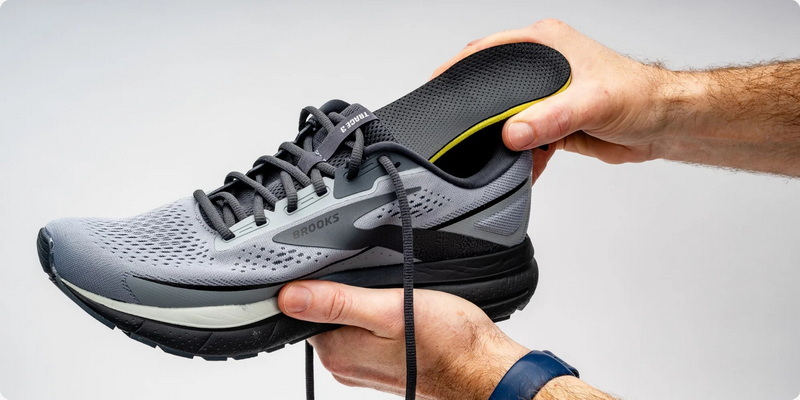
The best magnetic shoe laces for orthotics are those that combine appropriate magnet strength, comfortable lace materials, wide shoe compatibility, and thoughtful positioning over the tongue. When paired with well‑designed orthotic insoles, they create a complete, modern solution for foot support and accessibility. For international brands, wholesalers, and manufacturers, integrating magnetic lacing options into orthotic product lines can significantly enhance user satisfaction and product value.
Most magnetic lacing systems work well with common orthotic insoles for plantar fasciitis, flat feet, over‑pronation, and general cushioning. However, extremely high or rigid insoles may require shoes with deeper uppers or longer laces for optimal comfort. It is always recommended to test the combination in a controlled environment before long‑term wear.
Yes, magnetic laces are particularly helpful for people with limited grip strength or dexterity, such as those with arthritis or neurological conditions. Choosing a design that separates with a light pull or a simple lever action can make independent use much easier. Caregivers can also assist in initial adjustment so the daily operation is as simple as possible.
The magnet modules themselves usually last much longer than the laces. Over time, the textile laces may show signs of wear, especially if the shoes are used heavily for walking or work. Many systems allow users to replace the laces while keeping the existing magnets, which is a cost‑effective approach. Regularly checking for fraying and loosening is a good habit.
Magnetic laces do not change the structural properties of orthotic insoles. Instead, they influence how the upper holds the foot over the orthotic. When adjusted correctly, they can actually help the insole perform better by improving heel lock, reducing unwanted movement, and maintaining a consistent foot position inside the shoe.
Brands and manufacturers should evaluate upper design, tongue padding, eyelet placement, and insole volume to ensure compatibility with magnetic laces. Providing clear fitting instructions and offering recommended magnetic lacing kits as optional accessories can create a more complete product offering. This strategy can be particularly attractive for overseas partners seeking ready‑to‑market adaptive footwear solutions.


