
Language
Views: 222 Author: Edvo Publish Time: 2025-12-01 Origin: Site


Content Menu
● What Kind of Shoes for Orthotic Inserts?
● Why Shoe Choice Matters for Orthotic Inserts
● Core Features of Orthotic‑Friendly Shoes
>> Removable Footbeds and Extra Depth
>> Firm Heel Counter and Stable Midsole
>> Wide Base and Roomy Toe Box
>> Secure Fastening and Correct Overall Fit
● Best Types of Shoes for Orthotic Inserts
>> Everyday Walking and Casual Shoes
>> Work, Safety, and Occupational Footwear
● Shoes That Rarely Work Well with Orthotics
● Practical Fitting Tips for Orthotics and Shoes
>> Testing Shoes with Orthotics Step by Step
>> Matching Shoe Category to Orthotic Type
● Benefits of Orthotic‑Friendly Shoes for Users
● How Professional Insole Manufacturers Support Brands
● Maintenance, Care, and Replacement
● FAQs About Shoes for Orthotic Inserts
>> 1. Can I put orthotic inserts in any shoe?
>> 2. Are running shoes good for orthotic inserts?
>> 3. Do I need a bigger shoe size for orthotics?
>> 4. Can I use orthotics in sandals or dress shoes?
>> 5. How long do orthotic inserts and shoes last?
What kind of shoes work best with orthotic inserts? The best choices are structured, closed orthotic for shoes with removable insoles, enough internal depth, a firm heel counter and midsole, and a stable, reasonably wide platform so the orthotic can sit flat and control the foot properly.
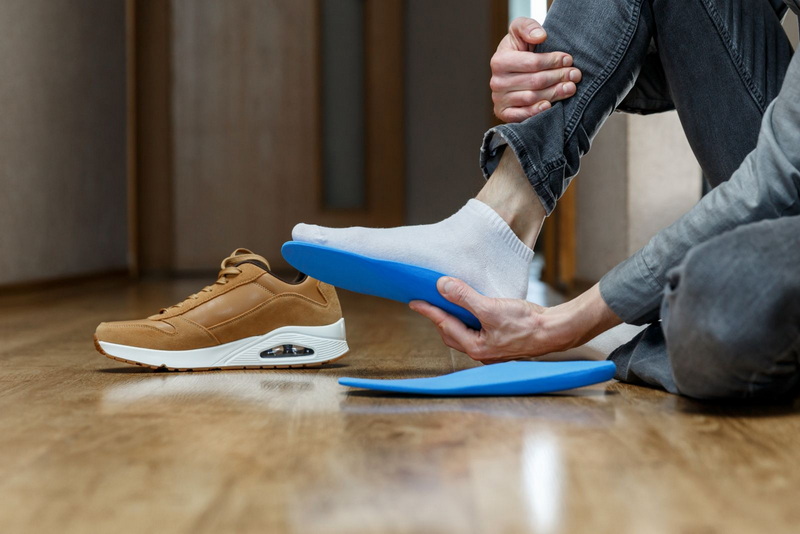
Orthotic inserts are designed to realign the foot, reduce pressure hot‑spots, and improve overall posture, but they only work as intended when paired with the right shoes. The wrong footwear can cause the orthotic to tilt, slip, or compress, which not only reduces effectiveness but can also create new discomfort.
For brands, wholesalers, and manufacturers, understanding which shoe constructions truly support orthotics is essential for product design, marketing, and customer satisfaction. For end users, clear guidance on shoe type and fit helps them get full value from their prescribed or over‑the‑counter inserts.
Orthotics provide corrective function, arch support, and more even pressure distribution, but they need a stable “housing” to deliver these benefits. A good shoe locks the heel, supports the midfoot, and gives the toes enough space so the insert can guide the foot through each step smoothly.
If the shoe is too soft, shallow, or loose, the orthotic can rock inside, fold at the edges, or push the foot into the wrong position. That is why simply adding an insert into any casual sneaker or dress shoe often feels disappointing, while combining it with a properly structured shoe can transform comfort.
A removable insole is the first indicator that a shoe is friendly to orthotic inserts. Taking out the original footbed creates volume for the orthotic, prevents overcrowding, and helps maintain the correct heel height inside the shoe.
Extra internal depth is equally important. Deeper shoes allow the foot and orthotic to sit lower in the shoe, reducing pressure on the top of the foot and minimizing heel slippage. Deep designs are especially valuable for full‑length custom orthotics, thicker cushioning layers, or users who wear socks of varying thickness.
The heel counter is the stiff cup at the back of the shoe that surrounds the heel. For orthotic use, it should feel firm rather than collapsible, helping keep the heel centered and controlling side‑to‑side motion that can aggravate overpronation or supination.
The midsole should provide a balance of cushioning and rigidity. If it bends and twists too easily, the orthotic will not have a consistent base and may deform under load. When the midsole is stable, the insert can do its job of aligning the foot and absorbing impact without being crushed or distorted.
Orthotic‑friendly shoes usually have a broader platform under the foot, particularly in the midfoot and heel. This wider base improves stability and helps the orthotic sit flat instead of hanging over the edge of the midsole.
A roomy toe box is also critical. Orthotics may subtly change how the foot sits in the shoe; if the front is too narrow or pointed, the toes can be pushed together, leading to blisters, corns, or bunion irritation. A spacious forefoot lets the toes splay naturally and supports a more stable gait.
Shoes that work well with inserts typically use laces, straps, or other adjustable closures rather than relying solely on elastic. These fastening systems help pull the foot down onto the orthotic, preventing the heel from lifting and the insert from sliding forward.
Fit must be checked with the orthotic inside the shoe. There should be enough length to prevent toe collision at the front, a snug but not tight feel around the midfoot, and secure heel hold without rubbing. If any area feels cramped or unstable, a different size, width, or model is needed.
For daily activities such as commuting, shopping, or light work, walking shoes and casual sneakers are usually the best partners for orthotic inserts. They often feature removable insoles, moderate cushioning, and neutral platforms that allow the orthotic to provide the main corrective effect.
Leather or knit casual trainers with deep interiors and round, roomy toe shapes are particularly versatile. They can pair with business‑casual outfits while still delivering enough structure and space. When designing or sourcing these shoes, focusing on depth, heel counter firmness, and adjustable lacing will make them more orthotic‑friendly.
Running shoes are popular choices for people using orthotics because many performance models are built around support, shock absorption, and removable footbeds. Neutral running shoes often work well with custom orthotics, since the insert can supply the primary arch and motion control.
For sports and fitness, it is best to avoid extremely soft, highly flexible shoes that twist easily or favor a very minimal profile. Instead, choose models with responsive but stable midsoles, secure uppers, and a last shape that leaves enough room for the orthotic without compressing the top of the foot.
People who spend long hours standing or walking on hard floors benefit greatly from combining orthotics with work or safety footwear. Modern occupational shoes and boots can be designed with deeper interiors, removable insoles, and firm, supportive uppers, even when they include safety toes or protective plates.
For industrial, logistics, healthcare, and hospitality environments, non‑slip outsoles and stable platforms are essential. When these features are integrated with orthotic‑compatible interiors, workers gain better shock absorption, improved alignment, and reduced fatigue across long shifts.
Sandals are more challenging for orthotic use because they traditionally have limited structure and depth. However, some modern comfort sandals now feature contoured, removable footbeds or built‑in orthotic‑like shaping that can either accept a custom insert or provide similar support.
When using orthotics with open footwear, models with ankle straps, heel straps, and multiple points of adjustment help keep the foot and orthotic secure. Completely flat, flimsy sandals and backless flip‑flops typically do not offer enough support or retention to work with inserts.
Certain categories of footwear are inherently unsuitable for most orthotic inserts. High‑heeled shoes with steep pitch and limited midfoot support are one example, because they drastically change foot posture and leave little space for a full‑length device.
Very narrow, pointed‑toe fashion shoes, soft ballet flats with thin soles, and backless mules or clogs often lack the combination of depth, structure, and heel hold that orthotics require. Minimalist and ultra‑flexible shoes can be difficult too, because they are designed to flex and twist in ways that conflict with the more rigid geometry of a corrective insole.
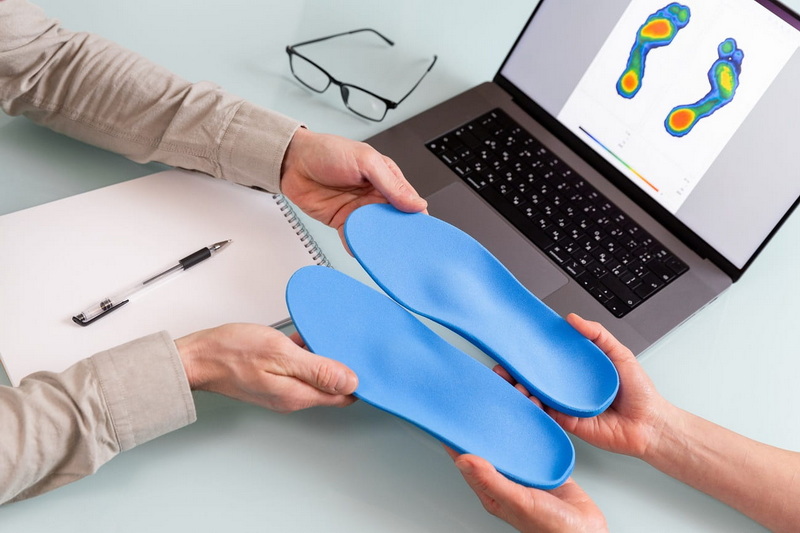
When customers bring orthotics into a store, a simple fitting sequence helps find a compatible shoe. First, the original insole should be removed and compared with the orthotic for length and general shape. If the insert is much longer or wider, a larger size may be necessary.
Next, the orthotic should be placed flat in the shoe, checking that it does not buckle or curl at the heel or toes. Once the customer tries the shoe on, they should walk around, paying attention to heel slippage, pressure points over the arch, and whether the toes have enough space when standing and flexing the foot.
Different orthotics suit different footwear types. Slim, half‑length, or low‑profile devices are easier to fit into more formal shoes, while thick, cushioned, or very structured orthotics are better matched to deeper athletic, walking, or work styles.
When footwear brands cooperate with an insole OEM partner, they can design orthotics that match the internal shape, heel height, and typical usage of their target shoe lines. That means a running shoe might come with a sport‑tuned orthotic option, while a safety boot could be paired with a more rigid, impact‑resistant insert.
Shoes that truly accommodate orthotic inserts can significantly reduce heel and arch pain, especially for conditions like plantar fasciitis, flat feet, or high arches. By supporting the foot in a more neutral position, they help distribute load more evenly and limit strain on sensitive tissues.
Beyond the feet, better alignment often improves comfort in the knees, hips, and lower back. People may notice less fatigue after long days on their feet, a more stable walking pattern, and a reduced risk of additional problems such as bunions, hammertoes, or tendon irritation.
For brands and wholesalers, working with a dedicated insole manufacturer allows development of complete systems rather than standalone shoes or inserts. The shape, hardness, thickness, and material layering of the orthotic can be tuned to the midsole profile and last design of each shoe model.
This cooperation makes it easier to market shoes as orthotic‑ready or orthotic‑integrated with confidence. It also supports differentiated product lines for walking, running, safety, or medical‑focused footwear, each with inserts optimized for the expected use case and customer profile.
Even with ideal shoes and orthotics, performance declines over time as materials compress, deform, or wear out. Users should periodically inspect their inserts for flattening, cracks, or loss of support, and monitor their shoes for stretched uppers, worn tread, and reduced cushioning.
Regularly removing orthotics from the shoes to air and dry them helps maintain hygiene and prevents odor buildup. Replacing both shoes and inserts at appropriate intervals ensures that the combination continues to provide the intended alignment, cushioning, and stability.
The best shoes for orthotic inserts combine structure, depth, and stability with a secure, adjustable fit. Key design elements include removable insoles, deeper interiors, firm heel counters, stable midsoles, wide platforms, and upper constructions that can be tightened over the midfoot and heel. Casual walking shoes, neutral running shoes, supportive work footwear, and carefully selected sandals can all work very well when they meet these criteria and are properly matched to the style and thickness of the orthotic insert.
For footwear brands, wholesalers, and manufacturers, collaborating with a specialized insole OEM factory makes it possible to develop complete, orthotic‑ready collections that deliver real biomechanical benefits rather than just marketing claims. For end users, understanding how to choose and fit these shoes ensures that orthotic inserts provide maximum comfort, improved alignment, and long‑term support in everyday life.

Orthotic inserts do not work well in every type of shoe. To function properly, they need removable insoles, enough internal depth, a firm heel counter, and a stable, reasonably wide base. Shallow, very soft, or open‑back designs usually do not provide the structure or room that orthotics require.
Many running shoes are excellent companions for orthotic inserts, especially models with removable insoles and supportive but not overly aggressive stability features. Neutral running shoes are often recommended so that the orthotic can provide the main correction while the shoe delivers cushioning and shock absorption.
Some people need half a size larger to fit thicker or full‑length orthotics comfortably, especially if the original insole stays inside the shoe. However, if the shoe offers extra depth and the stock footbed is removed, many users can keep their normal size as long as there is still adequate toe room and heel hold.
It is possible to use orthotics in certain sandals and dress shoes, but the options are more limited. Only styles with enough depth, adjustable straps or laces, and reasonably firm soles tend to work. When customers need more formal or open styles, low‑profile or custom‑designed orthotics made specifically for such footwear are often the best solution.
The lifespan of orthotic inserts and shoes depends on body weight, activity level, materials, and environment. Over time, cushioning compresses and structural components lose stiffness, even if the product still looks intact. When pain returns, the shoes feel uneven, or the orthotic looks flattened or cracked, it is usually time to consider replacement.


