
Views: 222 Author: Edvo Publish Time: 2026-01-25 Origin: Site


Content Menu
● Understanding Orthotic Insoles
● The Role of Standard Shoe Insoles
● Should You Remove the Original Insole?
● When You Can Keep the Shoe Insole
● How to Properly Insert Orthotic Insoles
● Orthotics vs. Standard Insoles: Key Differences
● Matching Orthotic Insoles with Different Shoes
>> Work Boots and Safety Shoes
>> Sandals or Open-Design Shoes
● Mistakes to Avoid When Using Orthotic Insoles
● Benefits of Using Orthotic Insoles
● Selecting the Right Orthotic Insoles
● Long-Term Care for Orthotic Insoles
● How Footwear Manufacturers Can Benefit
● The Importance of Proper Fit and Comfort Assessment
>> 1. Can I use Orthotic Insoles in all kinds of shoes?
>> 2. How long do Orthotic Insoles typically last?
>> 3. Will Orthotic Insoles help relieve my back or knee pain?
>> 4. Can I clean my Orthotic Insoles with water?
>> 5. How soon should I expect results after starting to wear them?
As one of China's leading orthotic insole manufacturers, providing OEM and ODM services for global footwear brands, wholesalers, and sportswear producers, we often receive a simple yet important question from customers and designers alike: When using orthotics, do you take out the insole?
This question involves more than just user comfort — it touches upon biomechanics, shoe design, and material interaction. Whether you are an end user trying to improve foot health or a brand developing orthotic-friendly footwear, understanding the relationship between original shoe insoles and orthotic inserts is key to achieving the best results.
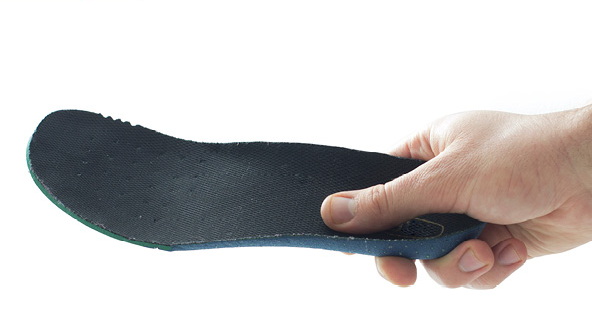
Orthotic Insoles are specialized foot supports designed to align the foot, correct abnormal walking patterns, and relieve pressure-related discomfort. They differ significantly from standard insoles that come pre-installed in shoes. While standard insoles provide basic cushioning, orthotic insoles address deeper biomechanical problems, such as overpronation, fallen arches, or plantar fasciitis.
There are two primary categories of orthotic insoles:
1. Custom Orthotics – Tailor-made following a podiatrist's assessment, these insoles perfectly match your foot structure, correcting individual gait patterns and posture problems.
2. Prefabricated Orthotics – Mass-produced but available in multiple shapes and densities, suitable for people seeking improved comfort and moderate support without custom fitting.
Essentially, orthotic insoles function as medical-grade devices enhancing how your feet interact with surfaces and shoes. For brand manufacturers, proper shoe-orthotic compatibility is equally crucial, particularly for walking and athletic footwear designs.
Every pair of shoes comes with a built-in insole—often called a sock liner—primarily for comfort and fit enhancement. These factory-installed insoles serve several purposes:
- Comfort enhancement: They cushion the bottom of your feet and reduce direct impact.
- Fit adjustment: They help occupy minor excess space inside shoes for a snug fit.
- Moisture absorption: Some insoles wick away sweat and reduce friction while walking.
However, these standard liners aren't designed for biomechanical correction. Keeping both the default insole and an orthotic insert together often results in a tight fit, poor alignment, or loss of stability. That's why the simple question — whether to remove the existing insole — becomes central to orthotic performance.
In most cases, yes, you should remove the shoe's original insole before placing your orthotic insole inside.
Here are the main reasons why removal is typically recommended:
1. Ensures proper alignment: Orthotic insoles are contoured to specific anatomical angles. Placing them over another insole distorts that shape, reducing the corrective effect.
2. Maintains comfort and space: A shoe packed with double layers can squeeze your foot, causing pressure on your toes and instep.
3. Improves stability: Orthotics perform best when in direct contact with the shoe's rigid base (the midsole).
4. Reduces wear and slipping: Too many layers cause the insert to slide or fold, affecting durability and foot safety.
In summary, removing the original insole allows orthotic insoles to sit correctly inside your shoe, providing the full benefits they're designed for.
While most situations call for removing the original insole, some exceptions apply depending on shoe construction, activity type, and orthotic design.
- Thin or ¾-length orthotics: If your orthotic covers only the arch and heel area, it can sit comfortably over the original insole for added cushioning.
- Shoes with extra depth: Work boots, hiking boots, or orthopedic shoes often have deep interiors that can accommodate both layers.
- Low-profile orthotics: Some flexible and ultra-thin EVA-based orthotics integrate naturally without raising the foot too high.
- Clinical recommendations: In certain medical situations (e.g., sensitive heel padding or diabetic footwear), physicians may recommend layering both for dual protection.
Always try both setups—first with original insoles removed, then with them kept—to determine which option offers the ideal support and comfort balance.
Correct usage is essential to maximizing performance and comfort. Follow these steps:
1. Remove the factory insole. Gently lift it from heel to toe to avoid damaging the shoe lining.
2. Insert the orthotic insole. Place it flat within the shoe, ensuring there are no wrinkles or gaps.
3. Test for comfort. Slip on your shoes and walk for several minutes to check fit and arch positioning.
4. Adjust firmness or size. Trim prefabricated insoles if necessary, following the sizing outline.
5. Break in gradually. Wear orthotic insoles for short periods (1–2 hours) initially and increase duration daily.
This process allows your muscles and posture to adapt without sudden strain or discomfort.
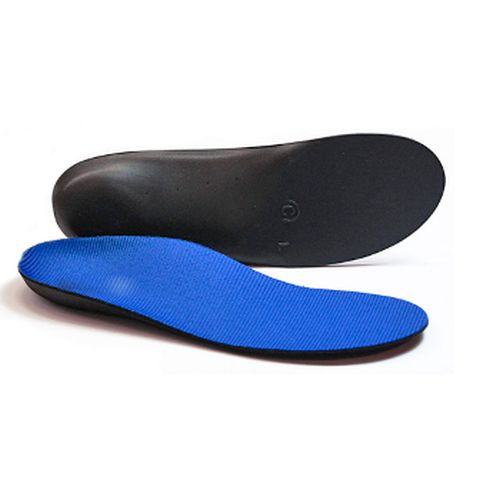
Though they may look similar at first glance, their function and design are fundamentally distinct.
| Feature | Standard Insole | Orthotic Insole |
|---|---|---|
| Primary Purpose | Cushioning and comfort | Biomechanical correction |
| Customization | Fixed size and shape | Custom or semi-custom fit |
| Structure | Soft, flat | Contoured arch, heel support |
| Foot Alignment | Neutral | Corrective and stabilizing |
| Lifespan | Short-term (3–6 months) | Long-term (1–2 years) |
When consumers or brands misunderstand these differences, shoes may fail to provide optimal comfort or health benefits. Orthotic insoles bring precision engineering and medical science together for functional footwear improvement.
Each shoe type reacts differently to orthotic integration. Here's what to keep in mind:
Most sport shoes are orthotic-friendly and include removable insoles. Taking out the original liner is best to ensure perfect placement and balance for your orthotic insoles.
Due to limited internal height, use specially designed thin orthotic insoles. These low-profile models correct alignment without compromising style or fit.
These shoes typically have deeper footwells, giving space for both the original liner and the orthotic insole if necessary. However, removing the liner still ensures firm positioning for better support.
Casual footwear often features standard foam liners. Replace these with orthotic insoles for improved everyday comfort and fatigue prevention.
Since sandals lack fixed interiors, use orthotics with adhesive backing or built-in fastening to prevent movement.
Understanding shoe structure helps both users and manufacturers ensure compatibility and maximize wearability.
Even high-quality orthotic insoles fail to deliver results if used incorrectly. Avoid these common errors:
- Wearing two insoles at once in tight shoes.
- Ignoring the break-in period, causing foot strain or soreness.
- Using old or compressed orthotics past their service life.
- Selecting non-removable insole shoes that don't fit properly.
- Neglecting cleaning and air-drying, leading to odor or deformation.
Consistent maintenance and correct use significantly extend the lifespan and function of your orthotic insoles.
Whether for medical treatment or daily comfort, properly fitted orthotic insoles deliver numerous advantages:
- Posture improvement: Corrects ankle and knee alignment, stabilizing body balance.
- Pain relief: Reduces strain from plantar fasciitis, heel spurs, or arch discomfort.
- Pressure redistribution: Spreads body weight evenly to prevent calluses and fatigue.
- Enhanced comfort: Softens impact across long walking hours.
- Injury prevention: Minimizes the risk of sport-related stress injuries.
- Performance boost: Aids steady motion for runners and athletes.
When partnered with suitable footwear, these insoles enhance not only comfort but also overall mobility and productivity.
Choosing the appropriate orthotic insole involves understanding both your foot's needs and the shoe's structure. Consider these factors:
1. Arch Type: Identify whether you have flat, low, medium, or high arches to select proper curvature.
2. Foot Condition: Pick insoles customized for issues like pronation, heel spur, or diabetic sensitivity.
3. Material Composition: EVA, rubber, carbon fiber, or gel-filled orthotic insoles each provide different cushioning and firmness.
4. Purpose of Use: A sports orthotic differs in density and flexibility from one made for daily office wear.
5. Fit and Sizing: Trim carefully for perfect fit—loose or oversized insoles reduce stability.
When brands create orthotic-ready footwear, matching shoe geometry to insole contour ensures end-user satisfaction and improved ergonomics.
Maintaining orthotic insoles properly extends their value.
- Air them regularly after daily use to keep them fresh.
- Wipe clean using a damp cloth with mild soap instead of machine washing.
- Avoid direct heat during drying to prevent material warp.
- Inspect periodically for wear, cracking, or shape loss. Replace as needed.
- Alternate pairs if possible, allowing full airing between wears.
Proper care enhances hygiene, durability, and the corrective benefits of orthotic insoles.
For international shoe brands and wholesalers, integrating orthotic insole compatibility into product design adds substantial commercial value. Consumers today increasingly seek ergonomic, health-oriented footwear solutions.
By partnering with specialized OEM orthotic insole manufacturers, brands can:
- Develop custom footbed geometries suited for removable orthotics.
- Offer in-house labeled products with varying support levels (arch, heel, metatarsal).
- Use advanced materials such as TPU, PORON, or carbon-reinforced EVA for reinforcement.
- Expand into orthopedic, athletic, or comfort-oriented markets.
Thus, orthotic insole integration represents both an innovation and competitive edge for modern footwear enterprises.
Comfort is subjective but scientifically measurable. Always ensure:
- The heel sits securely without side movement.
- No toe pressure or tightness exists when walking.
- The arch of the orthotic aligns seamlessly beneath your natural arch.
- The footwear allows minimal internal slippage during motion.
If discomfort persists even after adjustment, revisit your podiatrist or orthotic supplier for a reassessment. Poor fit often negates the therapeutic benefits of an otherwise well-designed insole.
So, when using orthotics, do you take out the insole?
In nearly all standard situations, the answer is yes. Removing the original factory insole gives orthotic insoles room to perform their function effectively—supporting arches, relieving pressure, and improving alignment. Exceptions exist for specialized conditions or footwear types with extra depth or medical padding, but generally, the orthotic should directly contact the shoe base for maximum stability and comfort.
Whether you are a consumer trying to improve foot comfort or a shoe manufacturer designing orthotic-compatible footwear, understanding these principles ensures better results and lasting satisfaction. Orthotic insoles are not just accessories; they are precision-engineered tools designed to improve biomechanics, posture, and long-term health.
Contact us to get more information!
Not in every shoe. For best results, choose shoes with removable insoles and adequate interior depth. Tight dress shoes or narrow sneakers may require low-profile orthotics.
A high-quality pair lasts 12 to 24 months, depending on activity level and material. Heavy athletic use may shorten their effective lifespan.
Yes. Improved foot alignment can reduce stress throughout the kinetic chain, alleviating pressure on knees, hips, and lower back.
Yes, but never submerge them. Use mild soap with a damp cloth, then air-dry completely before wearing again.
Most users feel noticeable comfort and alignment differences within one to two weeks, though adjustment time may vary depending on condition severity.
1. [American Podiatric Medical Association – Orthotics Overview](https://www.apma.org/patients-and-the-public/foot-health/orthotics/)
2. [Cleveland Clinic – Orthotics: Definition, Purpose, and Function](https://my.clevelandclinic.org/health/articles/orthotics)
3. [Healthline – What Are Orthotic Insoles and How They Work](https://www.healthline.com/health/orthotic-insoles)
4. [Verywell Fit – Choosing the Right Insoles and Orthotics](https://www.verywellfit.com/best-insoles-and-orthotics-4781182)
5. [Podiatry Today – Advances in Custom Orthotic Design](https://www.podiatrytoday.com/category/orthotic-design)


