
Language
Views: 222 Author: Edvo Publish Time: 2025-11-22 Origin: Site


Content Menu
● Introduction to Orthopedic Insoles
● Why Orthopedic Insoles Matter
>> Work Insoles
● Main Channels to Get Orthopedic Insoles
>> Medical Clinics & Orthopedic Specialists
>> Online Retailers & E-Commerce Platforms
>> Pharmacies and Sports Stores
>> Direct from OEM Factories or Manufacturers
● How Orthopedic Insoles Are Manufactured
>> Quality Testing and Certification
● OEM Orthopedic Insole Manufacturing in China
● Innovations Driving Orthopedic Insole Excellence
● Case Study: European Brand ODM Insole Partnership
● Selecting the Right Orthopedic Insole
● Frequently Asked Questions (FAQ)
>> 1. What are the best materials for orthopedic insoles?
>> 2. Can orthopedic insoles treat flat feet?
>> 3. How long do orthopedic insoles usually last?
>> 4. How can I order customized orthopedic insoles for my brand?
>> 5. Are Chinese insole manufacturers reliable for bulk orders?
Orthopedic insoles are more than just shoe accessories—they are life-changing footcare solutions designed to support, comfort, and correct the unique needs of every wearer. With increasing awareness about foot health, the demand for quality orthopedic insoles among individuals, brands, wholesalers, and manufacturers has surged. This comprehensive article explores where to find orthopedic insoles, how OEM production empowers global business, the latest manufacturing advances, and how to choose the right supplier and product.
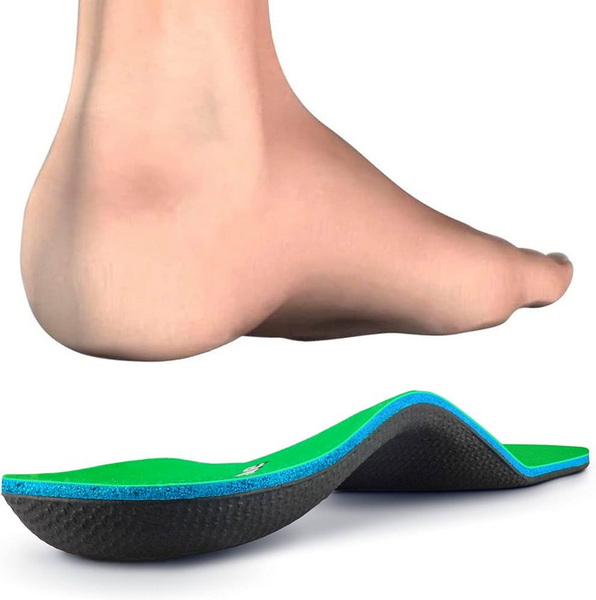
Orthopedic insoles are specialized footbeds that slide into shoes to improve biomechanics, relieve pain, and correct posture. Unlike generic insoles, they target specific issues like flat feet, plantar fasciitis, heel pain, and many more.
They are manufactured using high-quality materials such as EVA foam, PU gel, latex, memory foam, or advanced fibers, each offering varying degrees of comfort and corrective support. The technology behind orthopedic insoles continues to evolve, offering greater customization and durability in both consumer and medical markets.
Healthy feet form the foundation of a healthy body. When unsupported or misaligned, feet can lead to discomfort in the knees, hips, and back. Orthopedic insoles provide crucial benefits:
- Shock absorption during every step
- Redistribution of body weight for improved comfort
- Correction of poor posture and enhanced stability
- Alleviation of pressure on sensitive areas
- Assistance with abnormal gait or walking patterns
Orthopedic insole designs are available for various markets and user needs:
Everyday insoles focused on general comfort and fatigue reduction for all-day wear.
Specialized insoles designed to provide arch and heel support, recommended for people with more serious biomechanical issues or chronic pain.
Manufactured according to individual foot scans or molds, these insoles offer a tailored solution for medical issues, athletes, or anyone requiring precise fit and support.
Engineered for active use during running, hiking, or sports, with enhanced shock absorption and stability features to reduce injury risk and boost performance.
Formulated for professionals who stand or walk for extended hours, these insoles often include extra heel cushioning and anti-slip surface treatments.
Where you buy orthopedic insoles depends on your needs, whether you're a consumer or sourcing as a business:
Health professionals, such as podiatrists, provide custom-fit insoles designed for medical correction. These insoles address specific problems determined after diagnosis and foot analysis. They offer high precision, which is vital for those with severe mobility or health needs.
Global e-commerce platforms host a wide selection of orthopedic insoles. These range from ready-made supportive designs to more advanced models with adjustable features. Buyers should pay close attention to material, warranty, and user reviews to ensure quality.
Most local pharmacies and sporting goods stores carry a selection of orthopedic or comfort insoles. While these are convenient, choices may be limited to generic sizes and designs, which may not suit everyone.
This is the premier choice for brands, wholesalers, and distributors seeking private label or custom designs. Partnering with an OEM orthopedic insole manufacturer allows flexibility in design, branding, packaging, and materials. Chinese manufacturers lead the global market with innovative production methods, scalability, and attractive pricing.
Chinese leading orthopedic insole factories blend advanced machinery with skilled craftsmanship to deliver world-class products for global customers. The core manufacturing workflows include:
Choices include EVA, PU, latex, memory foam, gel, silicone, and carbon fiber. For support, hard-grade polymers such as TPU are selected for stability and endurance, while comfort layers use softer foams or gels.
The design phase begins with 3D foot scans or customer-specified templates. Advanced CAD software models each insole, optimizing parameters like arch height, heel depth, and forefoot padding for target customers. Biomechanical data helps refine designs to maximize function and comfort.
Two primary methods are:
- Injection Molding: Produces robust support shells out of TPU or TPR, sometimes combined with other comfort materials for multilayer insoles.
- CNC Milling: Used for precise sculpting of EVA foam and other materials, ensuring high surface finish and fit tolerance, suitable for custom and medical-grade orthotics.
- 3D Printing: Cutting-edge factories apply additive manufacturing with thermoplastic polyurethane (TPU) or polypropylene for bespoke, high-performance insoles. This method excels at creating ultra-light, flexible, and durable footbeds.
Top covers made from breathable fabrics, genuine leather, or antimicrobial layers increase hygiene and comfort. Padding zones with PORON, additional heel pads, or arch shells are laminated or bonded for targeted support.
Finished insoles undergo strict QC processes. Common certifications include ISO9001, ISO13485, CE, and FDA—critical for both domestic and export markets.
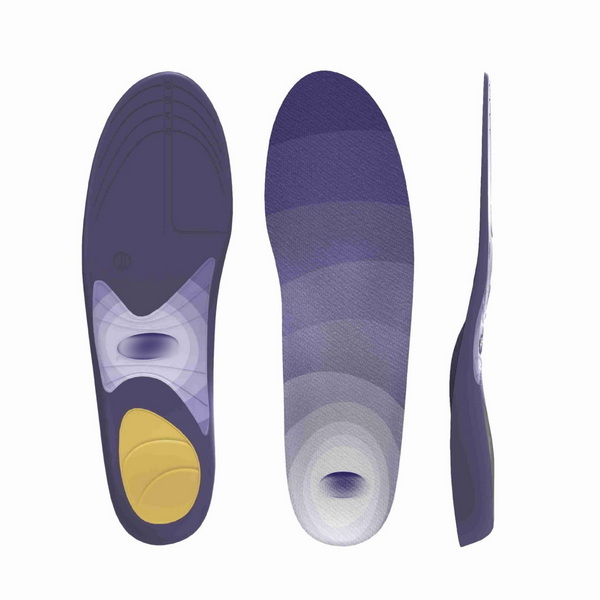
Partnering with a Chinese OEM factory provides substantial advantages in product development, cost, scalability, and technological innovation.
- Custom materials for any target application and aesthetic
- Full design support, including biomechanical analysis and rapid prototyping
- Branding, packaging, and exclusive product molds
- Mass production with flexible minimum order quantities
- Logistics support for global shipping, import, and compliance
Manufacturers support a diverse client base of healthcare providers, sports brands, industrial resellers, and online stores. Their expertise covers both standard catalog designs and unique customization.
Modern orthopedic insoles benefit from advances in material science, digital modeling, and automation. Key trends include:
- Use of hypoallergenic, eco-friendly, and recyclable materials
- Antimicrobial and moisture-wicking surface fabrics to maintain hygiene
- Embedded sensor technology for gait and posture analysis
- Integration with smart wearables to track activity and foot health
- Modular insole sections allowing aftermarket adjustment and replacement
- 3D-printed adaptive structures tailored to individual foot contours
Such technology ensures insoles are not only supportive and corrective but also comfortable, durable, and sustainable.
A UK fitness brand collaborated with a top Chinese OEM to launch a line of orthopedic sport insoles. The partnership highlights:
- Joint R&D for optimized biomechanical support and rebound performance
- Dual-layer EVA foam base paired with gel forefoot inserts
- Brand-exclusive logo design and eco packaging
- 40% cost savings compared to European production
- 60-day production cycles for bulk international orders
- Achieved third-party certifications, enabling successful market entry
This example demonstrates how international OEM insole manufacturing drives innovation, efficiency, and brand differentiation.
Quality orthopedic insoles are defined by more than price. Consider these criteria to ensure fit, performance, and longevity:
- Fit and Support Needs: Factor in arch type, heel shape, and intended usage—medical, athletic, or occupational.
- Material Profile: Choose between soft comfort layers for casual wear and rigid plastics or gels for medical correction.
- Durability and Hygiene: Seek moisture-wicking, antimicrobial fabrics and check care instructions for maximum lifespan.
- Certification and Compliance: For resale, verify ISO, CE, and medical certifications. This ensures regulatory acceptance in international markets.
- Branding and Customization: For businesses, working with an OEM ensures full control over product branding, aesthetics, and unique features.
Orthopedic insoles deliver essential comfort and support for diverse users—from everyday consumers to athletes to healthcare patients. Modern insoles leverage advanced designs, innovative materials, and precision manufacturing, providing targeted benefits for every need. For brands and businesses, partnering with a reputable Chinese OEM supplier brings scalability, adaptable design, and global competitiveness. Whether you’re seeking instant retail solutions or custom bulk production, invest in quality orthopedic insoles to achieve long-term satisfaction and health.
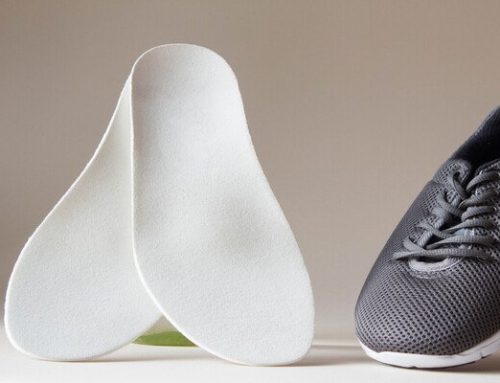
Popular choices include EVA, PU, memory foam, silicone, and carbon fiber. Mixing multiple materials can yield improved durability and comfort.
Orthopedic insoles provide crucial support and can help realign the foot, alleviating discomfort and improving gait for people with flat arches.
Quality insoles generally last 6–12 months with frequent use. Higher-grade products and proper care can extend their lifespan.
Engage with an OEM supplier for tailored design, branding, and bulk manufacturing. Share design needs and usage scenarios to receive optimal recommendations.
Leading Chinese suppliers offer ISO certification, advanced production standards, and global logistics, making them trustworthy for international OEM and ODM partners.


