
Language
Views: 222 Author: Edvo Publish Time: 2025-11-22 Origin: Site


Content Menu
● What Are Orthopedic Insoles?
● Why Orthopedic Insoles Matter
● The Global Demand for Orthopedic Insoles
● How Orthopedic Insoles Are Made
>> 3D Foot Scanning and Model Design
>> Finishing and Quality Control
● Types of Orthopedic Insoles for Sale
● How to Choose Reliable Orthopedic Insole Manufacturers
● Leading OEM Orthopedic Insoles Supplier in China
>> Typical Manufacturer Services Include:
● Where to Buy Orthopedic Insoles for Sale in Bulk
● Benefits of Buying Orthopedic Insoles from China
● Packaging and Branding Options
● After-Sales Services and Export Support
● FAQs About Buying Orthopedic Insoles for Sale
>> 1. What materials are most commonly used in orthopedic insoles?
>> 2. Can orthopedic insoles be customized for specific brands?
>> 3. Are orthopedic insoles suitable for all types of footwear?
>> 4. Do manufacturers provide samples before mass production?
>> 5. How can international buyers ensure consistent product quality?
Finding the right orthopedic insoles can make a world of difference for people who value comfort, posture correction, or foot pain relief. Whether you're a footwear brand, a wholesaler, or an individual looking for OEM partnerships, understanding where to buy orthopedic insoles for sale ensures that you invest in products offering both quality and long-term performance.
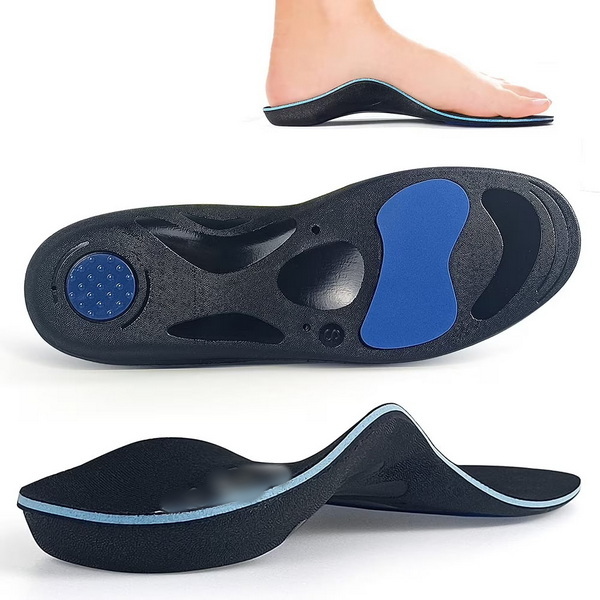
Orthopedic insoles are specialized footbeds designed to support the natural alignment of the feet, relieve pressure, and enhance walking comfort. Unlike regular insoles, they are manufactured using advanced materials such as EVA foam, memory gel, thermoplastic rubber (TPR), and polyurethane (PU). These materials provide cushioning, durability, and shock absorption that help improve foot health.
These insoles are widely used in medical footwear, sports shoes, safety boots, and everyday shoes. With growing awareness of foot health and ergonomic living, the global orthopedic insole market has witnessed a significant increase driven by both healthcare and lifestyle sectors.
The foot structure plays a critical role in mobility and overall body alignment. Misalignment or inadequate cushioning can lead to pain in the ankles, knees, hips, or back. Orthopedic insoles help by:
- Redistributing body weight to relieve stress points on the feet.
- Supporting the natural arch and improving posture.
- Absorbing shock during walking, running, or standing.
- Reducing risks of plantar fasciitis, flat feet, heel spurs, and other foot conditions.
People who stand or walk for hours daily—such as healthcare workers, athletes, or warehouse employees—benefit immensely from custom-fitted insoles that provide superior comfort and injury prevention.
The global orthopedic insole industry is rapidly expanding, reflecting rising consumer awareness toward foot and lower limb health. Key markets such as North America, Europe, and Asia-Pacific lead in demand, driven by an aging population, sports participation, and workplace safety regulations.
For B2B buyers, sourcing reliable orthopedic insole manufacturers from China provides competitive advantages in pricing, variety, and innovation. Many Chinese companies now offer state-of-the-art technologies, including 3D foot scanning and biomechanical analysis, allowing tailored, comfortable, and high-performance insoles for diverse applications.
The manufacturing of orthopedic insoles has evolved significantly with the integration of modern technologies. The process typically involves several main steps:
Using digital foot scanners, manufacturers capture the exact shape and pressure points of the customer's feet. This data is then used to create precise 3D models of the insole to match individual contours.
High-quality materials such as EVA foam, memory foam, gel inserts, TPU, and TPR are chosen based on desired cushioning, flexibility, and durability properties.
Common production techniques include:
- Injection Molding: Used primarily for creating firm support parts like heel counters or arch supports, especially using TPU or TPR materials.
- CNC Milling: Precision machines carve out the insoles from EVA foam sheets using optimized cutting speeds and tool paths for smooth finishes.
- 3D Printing: Selective Laser Sintering (SLS) or Fused Deposition Modeling (FDM) create customized insoles based on computerized models, offering fast turnaround and customization.
- Thermoforming: Insoles are heated and molded into shapes matching foot impressions, then cooled to retain the form.
After manufacturing, insoles undergo quality inspections measuring surface roughness, elasticity, and fit accuracy. They are trimmed and laminated if necessary before packaging.
Customized packaging, including branded boxes or eco-friendly bags, is applied to meet retailer or brand requirements. Finally, products are prepared for domestic or international shipping.
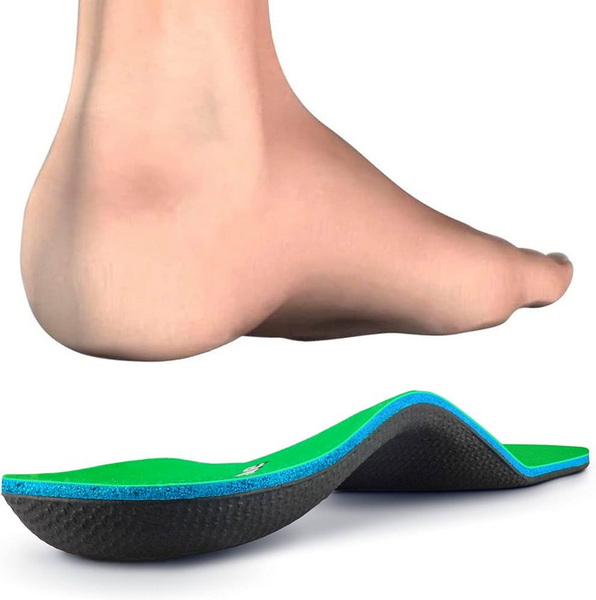
Orthopedic insoles vary widely to meet different needs and shoe types. Here are the main categories:
Designed to support flat feet or fallen arches, these insoles lift the midfoot region to realign anatomy and reduce discomfort.
Ideal for high-impact activities, these insoles use gel pads that absorb shocks and reduce pressure on joints during running or sports.
Covering the entire footbed, these provide complete support and are often prescribed for medical or daily use.
Solely focusing on heel cushioning, these pads help alleviate heel spurs and plantar fasciitis pain.
Based on individual foot measurements or scans, these bespoke insoles offer the highest level of correction and comfort.
To ensure the purchase of quality orthopedic insoles for sale, consider these essential manufacturer qualifications:
- Material Variety and Quality: Select suppliers with options in EVA, memory gel, PU, and other advanced foams that meet durability and comfort standards.
- Production Technology: Preference should be given to manufacturers employing CNC milling, injection molding, or 3D printing for accuracy and consistency.
- OEM/ODM Capabilities: For brand owners, manufacturers that support private labeling, customized designs, and packaging help distinguish your product.
- Quality Certification: ISO, CE, and SGS certifications demonstrate adherence to international standards.
- Sample Policy and Testing: Testing samples for comfort, elasticity, thickness, and odor resistance is essential before bulk ordering.
- Export and Logistics Support: Efficient handling of international shipping terms (FOB, CIF, DDP) and customs procedures ensures timely delivery.
Many Chinese manufacturers specialize in orthopedic insoles production for OEM clients worldwide. They combine innovative research, professional design teams, and large-scale production facilities to deliver consistent quality.
- Custom mold design and foot biomechanical analysis for perfect fits.
- High-quality materials sourced with environmental sustainability in mind.
- Private label branding with personalized packaging and logo printing.
- Production capacities capable of delivering millions of pairs per month.
- After-sales support with reliable communication and logistics assistance.
These manufacturers have established partnerships with shoe brands, healthcare providers, sports retailers, and distributors across Europe, North America, and Asia.
If you are looking to buy orthopedic insoles for resale or as a brand owner, here are the best sourcing channels:
- Directly from Chinese OEM Factories: This allows control over customization, price, and delivery. Factories generally offer small minimum order quantities for testing.
- B2B E-Commerce Platforms: Alibaba, Made-in-China, and Global Sources list numerous verified orthopedic insole suppliers with detailed product catalogs and reviews.
- Medical Supplies Distributors: Local distributors provide convenient access for clinics or hospitals but may have higher prices.
- Sports and Footwear Retail Chains: Retailers that specialize in running or hiking gear often stock orthopedic insoles and may allow OEM partnerships.
- Trade Shows and Exhibitions: Attending international fairs like the Canton Fair provides opportunities for direct negotiation and firsthand quality checks.
China has emerged as a global hub for orthopedic insole manufacturing due to:
- Competitive pricing with attractive volume discounts.
- Sophisticated research and development capabilities accelerating innovation.
- Multilingual sales support facilitating international transactions.
- Wide product ranges catering to sports, medical, and casual footwear markets.
- Consistent quality management and compliance with international standards.
Choosing Chinese manufacturers helps brands enhance product lines affordably while maintaining premium quality.
Orthopedic insole manufacturers often provide flexible packaging and branding solutions to suit different sales channels:
- Retail-ready box packaging with brand logos and product information.
- Polybags or resealable zip bags optimized for e-commerce distribution.
- Environmentally friendly materials such as recycled cartons or biodegradable plastics.
- Custom branding including logos, barcodes, multilingual instructions, and promotional inserts.
These services help brands differentiate themselves in competitive markets and build customer loyalty.
Reliable manufacturers offer comprehensive after-sales services:
- Order tracking and inventory management for reorder convenience.
- Warranty services on defective products or quality issues.
- Export document management including certificates and customs clearance.
- Dedicated account managers to handle buyer requests and logistical challenges.
This ensures smooth international business operations and strengthens buyer confidence.
Orthopedic insoles are essential for improving foot health, comfort, and overall posture across various demographics and industries. For footwear brands, distributors, and importers, sourcing directly from experienced Chinese manufacturers remains the most practical and cost-effective choice. By understanding the types of insoles, advanced manufacturing processes, key supplier qualifications, and global sourcing channels, businesses can confidently decide where to buy orthopedic insoles for sale that align with their quality and commercial goals. This approach supports sustainable growth and customer satisfaction in the competitive foot care market.
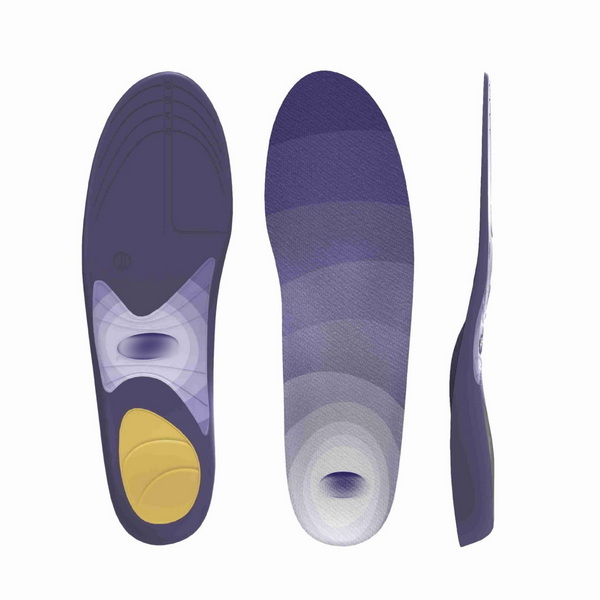
Orthopedic insoles commonly use EVA foam, memory gel, polyurethane, and thermoplastic rubber due to their cushioning, flexibility, and durability. Medical-grade silicone may also be used in specialized applications.
Yes, many manufacturers offer OEM customization, allowing brands to specify shape, material density, surface texture, and branding elements such as logos and packaging.
Most insoles are designed to fit various shoe types, including casual, athletic, and work shoes. However, some insoles are specially designed for high-impact or medical footwear.
Reputable manufacturers generally provide sample insoles for testing fit, comfort, and material quality prior to large orders, allowing brands to ensure product satisfaction.
Buyers should partner with ISO-certified and quality-assured factories, request inspections or audits, maintain close communication, and review product samples regularly.


