
Language
Views: 222 Author: Edvo Publish Time: 2025-11-26 Origin: Site


Content Menu
● Benefits Of Orthotic Insoles
● Types Of Orthotic Insoles Available
● How To Choose The Right Orthotic Insoles
● Where To Buy Orthotic Insoles Near Me?
>> Medical Clinics and Podiatrists
>> Specialty Footwear and Arch-support Stores
>> Athletic and Running Stores
>> General Retailers and Pharmacies
>> Online Retail and Direct Brand Platforms
● How Online Tools Can Help You Find The Perfect Insoles
● When To See A Podiatrist For Custom Orthotics
● Practical Tips For Trying And Buying Orthotic Insoles
● Maintaining Your Orthotic Insoles
● OEM Orthotic Insoles For Brands, Wholesalers, And Manufacturers
● Advanced Conditions Treated With Orthotic Insoles
● Specialty Designs For Unique Footwear
● Innovations In Orthotic Insole Technology
● FAQs
>> 1. What conditions can orthotic insoles help with?
>> 2. Are over-the-counter insoles as good as custom orthotics?
>> 3. How long do orthotic insoles usually last?
>> 4. Can orthotic insoles be moved between different pairs of shoes?
>> 5. Do I need a prescription to buy orthotic insoles?
Orthotic insoles are shoe inserts designed to support your feet, improve alignment, and relieve discomfort caused by various foot and lower limb conditions. Whether you're a busy professional, athlete, or dealing with chronic pain, quality orthotic insoles can make a significant difference in your daily comfort and wellbeing.
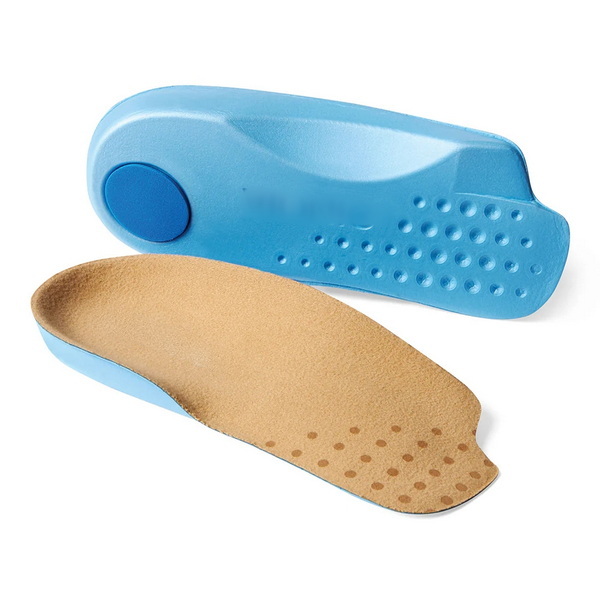
Orthotic insoles are engineered shoe inserts that enhance foot function by providing targeted arch support, shock absorption, and biomechanical guidance. They correct foot posture for people suffering from common issues like flat feet, high arches, plantar fasciitis, heel spurs, bunions, overpronation, and supination. Some are custom-fabricated for severe or unique conditions, while others are available over the counter and fit a wide range of shoe styles.
Orthotics may be rigid, semi-rigid, or soft/flexible, each designed for different levels of support and activity. Rigid orthotics control motion in major joints and are often prescribed for more severe instability. Semi-rigid orthotics balance flexibility and support, making them popular for flat feet or athletic use. Soft orthotics are suitable for light support and comfort, especially for diabetic or arthritic users needing gentle pressure redistribution.
Properly fitted orthotic insoles offer substantial health advantages:
- Relieve foot pain from plantar fasciitis, heel spurs, bunions, and more
- Reduce pressure and friction, improving comfort—especially during extended standing, running, or walking
- Improve posture and correct gait abnormalities, minimizing unnecessary strain on knees, hips, and the lower back
- Prevent injury by stabilizing the feet and guiding correct movement patterns
- Offer improved balance and support for seniors, workers, and athletes
By alleviating biomechanical stress, orthotics help users enjoy more physical activity with less discomfort or fatigue.
Selecting the right orthotic insole depends on your unique foot structure, activity profile, and symptoms:
These insoles are crafted from soft foams such as EVA or polyurethane. They maximize shock absorption and comfort, recommended for people on hard floors or engaging in low-impact activities.
Combining firm support with slight flexibility, semi-rigid insoles balance stability and shock absorption. They suit flat feet, moderate overpronation, sports, and everyday walking.
Made from plastic, graphite, or other firm materials, rigid orthotics provide maximum control and realignment. They're ideal for correcting significant pronation/supination or addressing chronic pain and instability.
Custom orthotics are created from molds or scans of your feet. These devices address severe or complex conditions—such as leg length discrepancies, arthritis, or deformity—and are prescribed by medical professionals.
These include insoles tailored for running, hiking, work boots, dress shoes, cleats, and sandals. Each version is designed for the demands and constraints of the activity, ensuring proper fit and support.
A careful selection process ensures effective relief and long-lasting comfort:
- Assess your symptoms and goals. Are you addressing heel pain, arch discomfort, flat feet, or general fatigue? Pinpointing your main pain points helps narrow options.
- Analyze your arch height. Low arches need maximum support and stabilization; neutral arches benefit from moderate support; high arches require extra cushioning and adapted contours.
- Sizing and fit. Insoles should match your shoe size exactly and sit flat; some insoles are full-length, while others are ¾-length for shoes with less room or no removable factory insoles.
- Material preference. Foam and gel blends suit general comfort; rigid and semi-rigid materials are best for structural correction.
- Consider daily activities. Office work, sports, and outdoor labor all present different stressors. Activity-specific insoles can enhance both comfort and performance.
- Medical needs. Those with diabetes, arthritis, or foot deformity may require specialized, soft, or custom orthotics for enhanced protection or strain redistribution.
When searching for orthotic insoles locally, you have several reliable options:
Podiatric clinics and orthopedic specialists offer assessment, prescription, and fitting of custom orthotic devices. Clinical evaluation ensures the best treatment for chronic, severe, or complex biomechanical problems.
Dedicated orthotic and comfort shoe shops provide professional fitting, personalized advice, and a broad selection of branded over-the-counter insoles. Many offer in-store gait analysis and digital foot mapping to match your needs.
Sports outfitters often stock both generic and advanced orthotic insoles designed for running, training, and hiking shoes. In-store staff can guide athletes to suitable options for enhanced performance and injury protection.
Supermarkets, big-box chains, and pharmacies provide affordable prefabricated insoles for everyday use. These work well for mild symptoms and general comfort, though may not address advanced corrective needs.
Major E-commerce sites and brand stores host insole finders, comprehensive guides, reviews, and expert advice. Users can filter by foot type, symptoms, and activities to select products shipped directly to their address.
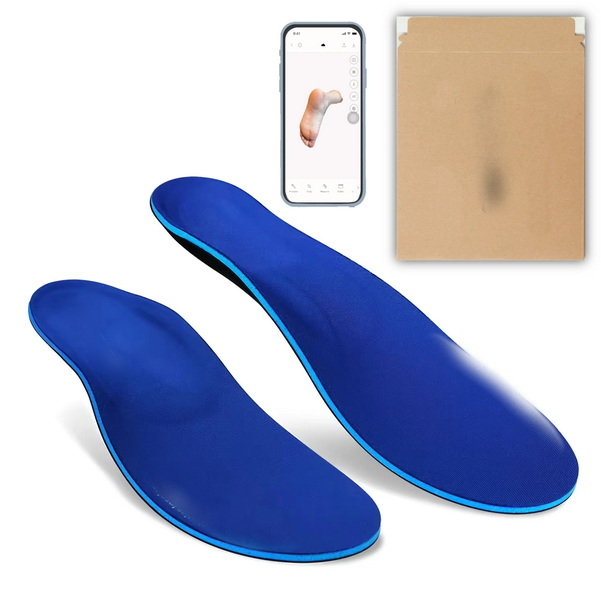
Interactive quizzes and guidance from brand websites take the guesswork out of the buying process. By entering details about your arch height, pain location, shoe style, and daily activities, these digital selectors recommend tailored insole models.
Many specialty footwear and orthotic brands provide store locators, enabling you to easily search for nearby brick-and-mortar options carrying specific products. Integrating these tools with map apps and customer reviews ensures you find reputable providers with expert staff and excellent service.
While numerous users find adequate relief from prefabricated insoles, those with persistent pain, structural deformities, or complex health conditions should seek expert guidance. Custom orthotics, prescribed and fitted by a podiatrist, are made from exact molds or scans for optimal biomechanical correction and durability. These devices offer life-changing improvements for people with severe plantar fasciitis, diabetic foot complications, leg length discrepancies, recurring injuries, and post-surgical recovery needs.
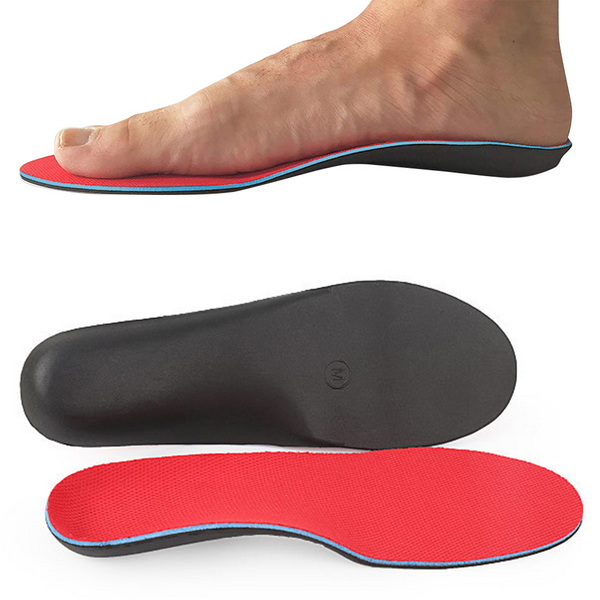
To ensure your orthotic insoles serve you well:
- Try insoles with your regular shoes, ensuring ample toe space and correct heel position.
- Walk around the store to test for comfort, support, and stability.
- Press on the insole arch with your thumb—the material should be firm, but not uncomfortably stiff or too soft.
- Look for replaceable covers, washable designs, and durable materials, especially for high-impact activities.
- Rotate between pairs of shoes and insoles to extend product lifespan and maintain effective support.
Proper care keeps insoles hygienic and structurally sound. Remove insoles daily to air dry. Clean gently with a damp cloth and mild soap as needed. Avoid machine washing unless specified by the manufacturer. Periodically inspect for wear—replace insoles if they compress, lose shape, crack, or cause discomfort.
Store insoles in a cool, dry place between uses. Alternating more than one pair helps foam and support materials recover, enhancing long-term comfort and performance.
Beyond retail use, orthotic insoles are critical products for brands, wholesalers, and professional distributors. Leading OEM manufacturers in China supply a vast range of customizable orthotic devices—including private-label versions for international clients. These factories offer comprehensive design, prototyping, bulk production, and packaging solutions meeting global standards for quality, comfort, and performance.
Collaborating with experienced OEMs allows brands to tailor arch profiles, foam densities, cover fabrics, and branding, supporting market differentiation and consumer satisfaction across diverse regions and segments.
Orthotic insoles are integral in managing medical conditions beyond basic foot pain:
- Plantar fasciitis: Specialized insoles relieve strain along the plantar fascia, easing inflammation and heel pain.
- Heel spurs: Orthotics redistribute pressure to minimize discomfort and prevent worsening.
- Bunions: Pads and arch support reduce pressure on bunions, minimizing pain and slowing progression.
- Morton's neuroma and metatarsalgia: Cushioned full-length insoles support the ball of the foot, alleviating forefoot pain.
- Achilles tendonitis and shin splints: Rigid orthotics stabilize movement, reducing stress in the affected areas.
- Diabetic foot: Soft, breathable, and pressure-redistributing orthotics help avert ulcers and manage swelling.
- Arthritis and older adults: Extra cushioning and ergonomic shaping promote safety, stability, and mobility.
Orthotic insoles aren't just for athletic shoes. Manufacturers now offer:
- Dress shoe insoles: Slim and trimmed models fit heels, pumps, and flats, improving comfort and alleviating ball-of-foot pain, bunions, and calluses.
- Sandals and boots: Adaptable inserts for open-toe footwear and heavy work boots keep users supported in any environment.
- Athletic and hiking insoles: Toughened models offer stability, shock absorption, and moisture wicking for marathoners, trail runners, and outdoor workers.
These targeted designs let users maintain comfort, performance, and support without sacrificing style or shoe variety.
The insole industry continues to evolve with innovations in materials, molding processes, and smart features. 3D scanning allows for precise digital modeling, ensuring custom orthotics match every contour of the user's foot. Memory foams, moisture-wicking fabrics, antimicrobial coatings, and breathable meshes provide increased comfort and longevity.
Smart insoles equipped with pressure sensors or digital feedback are entering the market, enabling users and clinicians to track gait, weight distribution, and improve orthotic effectiveness over time.
Finding where to buy orthotic insoles near you is the first step toward sustained comfort and foot health. By understanding your unique needs, reviewing available types and technologies, and utilizing professional fitting services and modern online tools, you can confidently select the perfect orthotic insole—whether for daily wear, sports, or medical correction.
For retailers, brands, and OEM buyers, collaborating with leading Chinese manufacturers offers exceptional flexibility and innovation, meeting the demands of international consumers and clinical use cases. No matter your circumstance, the right orthotic insole is a transformative solution for pain relief, performance, and long-term wellbeing.
Orthotic insoles assist with a variety of problems—including plantar fasciitis, flat feet, high arches, heel spurs, bunions, metatarsalgia, overpronation, and general foot fatigue. Proper use also alleviates secondary pain in the knees, hips, and back by improving overall alignment.
Over-the-counter insoles are highly effective for mild to moderate problems and immediate relief. Custom orthotics are best for complex conditions and chronic pain, providing a tailored fit and advanced correction via prescriptions and professional plotting.
Most prefabricated insoles last from several months up to a year, depending on intensity and body weight. Custom models often endure longer, though cover layers may need periodic replacement if heavily worn.
Most orthotic insoles are removable and easy to transfer between shoes, especially full-length and three-quarter-length styles. Slim models are well-suited for dress shoes and narrow footwear.
Prefabricated orthotic insoles are available without a prescription at retail stores and online. Custom orthotics, tailored for specific needs, require professional assessment and prescription from a podiatrist or qualified specialist.


