
Language
Views: 222 Author: Edvo Publish Time: 2025-10-12 Origin: Site


Content Menu
● What Makes a Heated Insole “The Best”?
>> Heat Distribution and Warmth Effectiveness
>> Battery Technology, Capacity, and Safety
>> Comfort, Materials, and Fit Across Shoe Types
>> Control Interfaces: Remote, App, or Onboard Buttons
>> Durability, Water Resistance, and Care
>> Certifications, Compliance, and Traceability for OEM Customers
>> After-Sales Support, Replacement Parts, and Warranty Terms
>> Customization Options for OEM/ODM Partners
>> Lead Times, MOQs, and Total Cost of Ownership
● Leading OEMs and Notable Brands to Study
>> Chinese OEM Powerhouses Worth Noting
>> International Brands and Benchmarks
● Features to Compare When Choosing an OEM Partner
>> Heating Technology and Zones
>> OEM Support and Documentation
● Case Studies and Practical Takeaways
>> Rapid Prototyping and Flexible MOQs
>> Technical Transparency and Quality Control
● FAQ
>> 1. What are the most important features to verify in a heated insole supplier?
>> 2. How long does typical battery life last on a heated insole, and can it be replaced?
>> 3. What certifications should a heated insole OEM have for international markets?
>> 4. Can heated insoles be customized for branding and packaging?
>> 5. What is the typical lead time for pilot runs and mass production?
Heated insoles have evolved from niche winter gear to a mainstream solution for workers, outdoor enthusiasts, and cold-climate commuters. For brands seeking reliable OEM partnerships, identifying the best producers means weighing insulation quality, battery life, heat uniformity, form factor, and supply chain resilience. This article surveys top manufacturers and reputable brands, highlights key features to evaluate, and provides practical guidance for international buyers. By exploring both established brands and OEM-focused suppliers, readers will gain a clear view of who makes the best heated insoles and why.
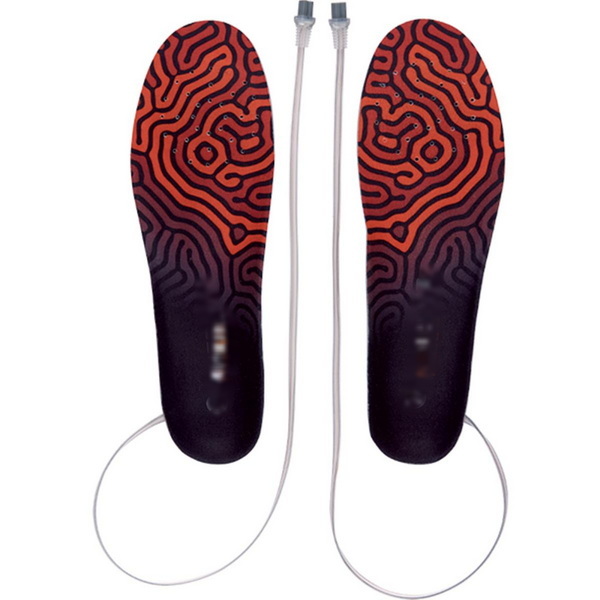
The performance of a heated insole hinges on multiple interdependent factors. For OEM buyers and brand developers, understanding these elements is critical to selecting a supplier that aligns with market demands and technical expectations.
The most effective heated insoles deliver consistent warmth across the entire footbed, particularly targeting the toes and ball of the foot—areas most susceptible to cold. Advanced models use carbon fiber or ultra-thin heating elements embedded in polyurethane or EVA foam to ensure even heat distribution. Uneven heating can lead to discomfort or hot spots, undermining user satisfaction. Brands like Sidas emphasize uniform heating systems, ensuring warmth spreads across the entire foot rather than concentrating in isolated zones.
Battery performance is a defining factor in user experience. Most heated insoles use rechargeable lithium-ion or lithium-polymer batteries with capacities ranging from 1650mAh to 5000mAh. Runtime varies between 4 and 10 hours depending on heat settings. High-end models, such as those from Thermic, offer up to 17 hours of continuous heat, ideal for extended outdoor activities like skiing or overnight work shifts. Safety certifications such as CE, UL, RoHS, and UN38.3 are essential for international compliance and consumer trust.[2][3][4]
Comfort is not secondary—it is central. Premium insoles use deodorized polyurethane fabric and shock-absorbing materials to ensure all-day wearability. The thickness must be optimized: too thick, and they won't fit in ski boots or dress shoes; too thin, and they may lack structural support. Fieldsheer's Premium BT Heated Insoles, for example, feature an ultra-thin design that fits seamlessly into various footwear types, from work boots to running shoes. Customizable arch support and heel cups enhance fit, especially for users with flat feet or high arches.
User control options have expanded significantly. Basic models use onboard buttons, while advanced versions offer wireless remote controls or Bluetooth connectivity via smartphone apps. The MW Connect™ app by Fieldsheer allows users to toggle between four heat settings remotely, enhancing convenience and precision. App integration also enables firmware updates and usage tracking, adding value for tech-savvy consumers.
Durability is measured by resistance to moisture, compression, and repeated charging cycles. Most quality insoles are water-resistant (IPX4 or higher), protecting internal electronics from sweat and light rain. Cleaning instructions typically advise wiping with a damp cloth rather than submerging, as moisture can damage heating elements. Rechargeable batteries should withstand at least 500 charge cycles to ensure long-term usability.
For OEM partners, traceability and compliance are non-negotiable. Suppliers must provide documentation for electrical safety, material sourcing, and environmental standards. Chinese manufacturers like Ufine Battery highlight certifications such as CQC, KC, UL, CB, and CE, ensuring global market readiness. Transparent supply chains and audit-ready documentation build trust with international buyers.
A strong OEM partner offers more than just production—they provide ongoing support. This includes spare batteries, replacement heating elements, and clear warranty terms. Sidas, for instance, sells batteries and heating components separately, enabling users to extend product life without replacing the entire insole.
Top-tier OEMs offer extensive customization: logo printing, packaging design, heat zone configuration, and battery placement. Some suppliers, like Taiyuan Shoe Materials, specialize in OEM/ODM services with free samples and flexible packaging options including OPP bags, PVC boxes, and cartons. This level of service allows brands to differentiate their offerings in competitive markets.
Minimum Order Quantities (MOQs) vary widely. Some suppliers require 1,000 pairs, while others offer lower thresholds for prototyping. Lead times typically range from 30 to 60 days, depending on customization complexity. Evaluating total cost of ownership—factoring in shipping, import duties, and after-sales support—is crucial for long-term profitability.
China remains a dominant force in heated insole manufacturing, offering scalable production and competitive pricing. Dongguan S-King Insoles Limited and Taiyuan Shoe Materials are among the leaders, providing full-service OEM/ODM solutions. These companies specialize in molded, thermoformed insoles with embedded heating elements, catering to international brands seeking high-volume, low-cost production.
Key attributes include:
- Modular heating systems compatible with various battery types
- Trim-to-fit designs with marked cutting lines for universal sizing
- Integration of gel pads and flexible arch shells for enhanced comfort
Global brands set performance and design standards that OEMs often emulate. Sidas, a French company with nearly 50 years of expertise, offers heated insoles with up to 8 hours of continuous warmth and 3D anatomical support. Their Volcano Heat and Winter H-Flat models are engineered for skiers and hikers, combining thin profiles with powerful heating systems.
Fieldsheer, a U.S.-based brand, leverages Mobile Warming® Technology to deliver Bluetooth-controlled heat with four adjustable settings. Their focus on rugged, performance-driven gear appeals to outdoor workers and enthusiasts alike.
Some insoles heat the entire footbed; others target specific zones like the toes or ball of the foot. Targeted heating conserves battery life while maximizing comfort in critical areas. Advanced models use multi-zone heating, allowing independent control of different foot regions.
Battery capacity directly impacts runtime. Models with 2000–3000mAh batteries typically last 4–8 hours on medium heat. High-capacity variants, such as those with 5000mAh batteries, can extend warmth to 8+ hours, ideal for extreme conditions.
Options include:
- Onboard buttons: Simple but require shoe removal for adjustment
- Wireless remote: Convenient for on-the-go control
- Bluetooth app: Enables precise temperature management and usage analytics
Materials like EVA, PU, and gel-infused foam provide cushioning and shock absorption. Breathable fabrics reduce sweat buildup, enhancing comfort during prolonged use.
Look for:
- IPX4 or higher water resistance
- Overheat protection circuits
- Flame-retardant materials
- Certifications for electrical safety
Suppliers should provide:
- CAD files and BOMs
- Assembly and testing reports
- Multilingual user manuals
- Packaging and labeling templates
Warranty periods typically range from 6 months to 2 years. Reputable suppliers offer replacement parts and technical support, reducing long-term costs.

Brands that partner with OEMs offering pilot runs and low MOQs can accelerate time-to-market. For example, Taiyuan Shoe Materials provides free samples and customizable packaging, enabling startups to test designs before full-scale production.
Suppliers with clear QC processes and audit trails ensure consistent product quality. Ufine Battery's certification portfolio demonstrates commitment to safety and reliability.
Selecting a heated insole supplier involves balancing heat performance, battery reliability, comfort, and true OEM capability. Chinese manufacturers with proven ODM/OEM programs can offer scalable production, customization, and rigorous QC, while benchmark brands provide clarity on expectations for heat zoning, control interfaces, and durability. For brands seeking to enter or expand in this space, the best partners combine technical transparency, flexible MOQs, robust certifications, and responsive support. This approach ensures a reliable supply chain, repeatable quality, and the ability to deliver innovative heated insoles to global markets. Ready to explore OEM collaboration opportunities? Reach out with project scope, target markets, and required certifications to begin a pilot program.

Key features include battery life (4–10 hours), heat distribution uniformity, water resistance (IPX4+), safety certifications (CE, UL, RoHS), and OEM customization options such as logo printing and packaging design.
Battery life ranges from 4 to 10 hours depending on heat settings and capacity. Most batteries are replaceable, with some models offering modular designs for easy swapping.
Essential certifications include CE (Europe), UL (USA), RoHS (hazardous substances), and UN38.3 (lithium battery transport). Additional regional certifications may apply based on target markets.
Yes, leading OEMs offer full customization including logo printing, custom packaging (OPP bags, cartons), and tailored instruction manuals for different languages and regions.
Pilot runs typically take 2–4 weeks, while mass production lead times range from 30 to 60 days depending on order size and customization complexity.


