
Language
Views: 222 Author: Edvo Publish Time: 2026-01-16 Origin: Site


Content Menu
● Understanding Orthotic Shoe Inserts
● The Growing Importance of OEM Manufacturing in the Orthotics Market
● Defining the Best Orthotic Inserts
>> 1. Innovative Material Technology
>> 2. Anatomical and Biomechanical Design
>> 3. Rigorous Testing and Quality Control
>> 4. Comfort Meets Durability
>> 5. Eco-Friendly Manufacturing Practices
● Key Players in the Global Orthotics Market
>> Pedag International (Germany)
>> Leading Chinese OEM Manufacturers
● Advantages of Choosing a Chinese OEM Orthotic Insole Manufacturer
● Step-by-Step OEM Production Process
>> Step 1: Design Consultation and Specifications
>> Step 2: Material Composition Planning
>> Step 3: 3D Modeling and Sampling
>> Step 4: Mass Production Setup
>> Step 5: Multi-Layer Assembly
>> Step 6: Finishing, Packing, and Quality Check
● Industry Trends Shaping the Future of Orthotic Manufacturing
>> Smart Orthotics and Digital Intelligence
>> Personalization Through 3D Printing
>> Sustainable Materials and Closed-Loop Systems
>> Medical Collaboration and Certification
● How To Choose the Right Orthotic Insert Supplier
● FAQ
>> 1. What materials are commonly used in orthotic shoe inserts?
>> 2. Can OEM manufacturers produce fully customized insoles?
>> 3. How do I know if I need orthotic insoles?
>> 4. How long does OEM production typically take?
>> 5. Are Chinese-made orthotic insoles suitable for branded export?
Orthotic shoe inserts are essential for people seeking comfort, support, and proper foot alignment. From marathon athletes and healthcare workers to office employees and elderly wearers, orthotic insoles play a vital role in improving the quality of life and preventing foot-related conditions. As demand for ergonomic and medical-grade footwear grows, the global orthotics market continues to expand, driven by both branded specialists and powerful OEM manufacturers.
So, who makes the best orthotic inserts? The answer blends advanced technology, biomechanical expertise, and reliable production capacity. In this article, we will explore what defines a great orthotic insert, the role of OEM partners in shaping international brands, and why Chinese manufacturers are becoming the trusted backbone of the global orthotic supply chain.
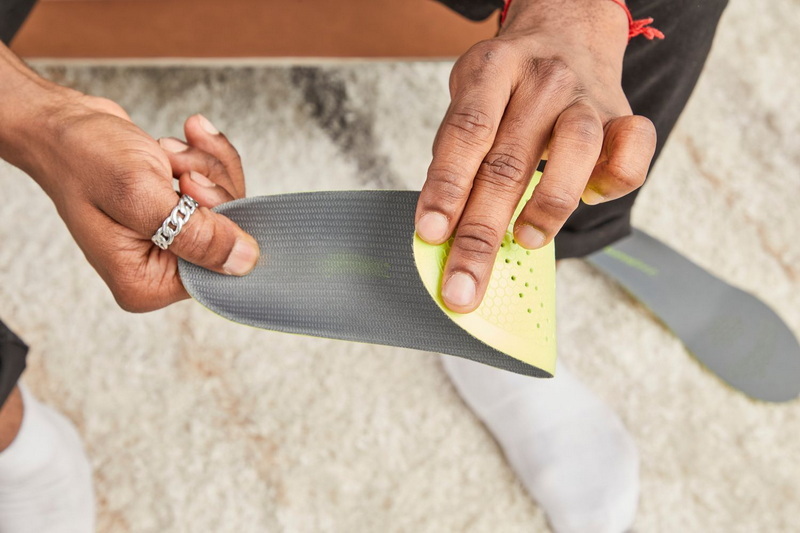
Orthotic shoe inserts, often called orthotic insoles, are removable footbeds designed to improve posture, enhance stability, and alleviate discomfort caused by irregular gait or specific medical conditions. A proper orthotic insert works as a corrective support system for the foot's natural arch, ensuring weight is evenly distributed and joints remain properly aligned.
A well-engineered orthotic can help manage issues such as flat feet, plantar fasciitis, overpronation, Achilles tendon strain, bunion pain, and other frequent lower-limb disorders. Because every individual's anatomy differs, high-quality manufacturers pay attention to both structure and flexibility, blending comfort with biomechanical precision.
The best inserts balance three key qualities: form-fitting design, durable material composition, and long-term clinical benefit. They not only improve comfort but also prevent chronic injuries, making them indispensable for millions of users worldwide.
OEM manufacturing, short for Original Equipment Manufacturing, plays an increasingly vital role in the global orthotics industry. Many leading footwear and healthcare brands choose trusted OEM partners to bring their orthotic insert designs to life. This strategy allows businesses to expand branded product lines without heavy investment in in-house production or specialized equipment.
China stands as a central hub for orthotic insert manufacturing, offering unmatched efficiency, innovative technology, and advanced materials. Experienced Chinese OEM factories collaborate with medical experts, sports scientists, and industrial designers to ensure every product meets international standards. Their capabilities range from prototype development to full-scale automated production, serving both small independent brands and renowned global chains.
A key strength of Chinese manufacturers lies in their flexibility. They can easily adjust production volumes, customize material blends, or create entirely new designs to meet unique market requirements. Combined with precision testing and international compliance, this adaptability helps brands maintain competitiveness in an evolving marketplace.
Determining who makes the best orthotic shoe inserts depends on several interrelated factors that shape both performance and comfort.
Premium orthotic inserts begin with high-quality materials. Manufacturers utilize advanced foams like EVA, PU, and memory foam for shock absorption, while TPU and carbon fiber reinforce stability. Multi-layered construction often combines soft cushioning layers with firm support plates, ensuring both comfort and structural integrity.
Modern insoles may also integrate antimicrobial fabrics, breathable mesh covers, or cooling gel pads to enhance freshness and fight odor. Some manufacturers even employ recyclable polymers, aligning performance with sustainability. The constant development of lighter, stronger, and more ergonomic materials separates the best manufacturers from competitors.
The human foot is complex, containing 26 bones, 33 joints, and over 100 muscles and ligaments. Designing an effective orthotic insert requires precise understanding of this anatomy. High-end manufacturers use 3D mapping, pressure distribution analysis, and gait simulation to craft accurate arch profiles that match real-world biomechanics.
Such research-driven design ensures proper foot alignment, improving comfort, balance, and energy transfer. Whether for sports, daily walking, or medical rehabilitation, top orthotic insoles must support dynamic motion, not just static posture.
Consumers often overlook the intense testing process behind reliable orthotic inserts. Reputable factories conduct multiple mechanical and human-based trials to measure compression resilience, flexibility, friction resistance, and breathability.
Quality control doesn't end at the assembly line. Random batch inspection, material verification, and on-site performance evaluation help maintain product consistency. Certified manufacturers often follow international standards like ISO and BSCI, ensuring compliance with export requirements across Europe and North America.
The best orthotic insoles not only relieve pain but also retain their functional integrity after months of continuous wear. They prevent deformation, maintain shape, and provide sustained cushioning even under heavy loads. Manufacturers achieve this by perfecting density gradients, reinforcing heel pads, and developing contour memory materials that adapt to the user's foot over time.
Eco-conscious consumers increasingly seek sustainable, responsibly made footwear accessories. Many modern factories have upgraded their production systems to minimize waste, reuse offcuts, and incorporate biodegradable materials. Energy-efficient molding equipment reduces emissions while meeting growing environmental expectations from global buyers.
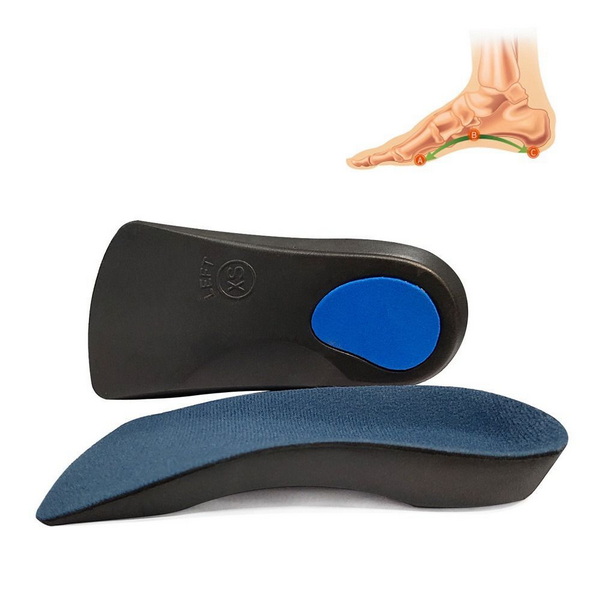
Both well-known brands and dedicated OEM producers contribute to the orthotics landscape.
Superfeet is recognized for its precision-engineered orthotics, designed in collaboration with podiatrists and physiotherapists. Their focus on medical-grade stability and pressure relief has made them a benchmark in the industry.
Dr. Scholl's remains one of the most trusted consumer-facing brands for foot care. Its broad range of affordable, mass-market orthotic insoles combines ergonomic comfort with widespread accessibility.
Pedag brings craftsmanship into orthotics, blending natural materials like leather, cork, and latex with contemporary foot health design. Their handmade approach provides unique comfort and aesthetic appeal.
SOLE emphasizes sustainability and personalization. Their moldable inserts adapt to heat, contouring perfectly to the wearer's feet. The blend of eco-friendly materials and medical-grade function makes them a standout brand.
China's advanced orthotic insole factories are the silent force behind many international labels. These manufacturers produce for global brands under OEM or ODM agreements, managing everything from product engineering to branding and packaging.
Our company is one of China's leading manufacturers specializing in OEM orthotic insoles. By integrating innovative materials, ergonomic design, and precision automation, we deliver tailor-made solutions for global footwear brands, wholesalers, and healthcare distributors.
We provide full-stack services, including product conceptualization, sampling, private labeling, and logistics coordination, ensuring that every client benefits from a seamless production experience backed by professional expertise and strict quality management.
The evolution of Chinese manufacturing has transformed perceptions of global production quality. Here's why partnering with a Chinese OEM orthotic insole supplier offers significant advantages:
- Comprehensive R&D Support: Chinese factories invest heavily in product research, including biomechanics, orthopedic evaluation, and sports performance analysis.
- Rapid Prototyping: 3D CAD modeling and CNC laser cutting systems enable fast design turnaround, reducing time to market.
- Material Versatility: Manufacturers can adapt materials based on region-specific needs—whether heat-resistant for tropical climates or moisture-absorbing for colder markets.
- Private Label Flexibility: OEM manufacturers allow branding customization on packaging, insole design, and color palettes, supporting brand differentiation.
- Competitive Pricing: Optimized supply chains and skilled labor ensure cost-effective yet premium product quality.
To produce a high-quality orthotic insert, the OEM process follows several stages designed to guarantee accuracy and consistency.
The client presents design drawings, branding preferences, and functional objectives. Engineers analyze aspects such as arch height, heel cup shape, and targeted pressure zones.
Based on the product's intended use—sports, occupational, or medical—specialists select suitable materials. EVA or PU foam might be used for high impact absorption, while TPU inserts add structure.
Cutting-edge 3D printers and precision cutters create sample models for evaluation. Adjustments are made until the sample meets all ergonomic and comfort standards.
Upon final approval, molds are prepared, and raw materials are processed using automated machinery. Temperature control and density calibration ensure consistent shape and texture across batches.
Different layers are assembled under controlled pressure. Adhesives, laminates, and surface fabrics are applied to create a single integrated unit capable of repeated compression.
Each insole undergoes a final inspection for accuracy, cleanliness, and surface finish. Products are then privately labeled and packaged according to client specifications.
The global orthotics market is forecasted to remain on an upward trajectory as health consciousness and footwear ergonomics gain mainstream attention. Several key trends are driving this evolution:
Manufacturers are experimenting with sensor-embedded insoles capable of monitoring walking patterns, balance, and foot pressure in real-time. Such innovations support medical diagnostics and athletic training optimization.
Additive manufacturing enables fully customized orthotics sculpted precisely to the individual's foot contour. This technology minimizes production waste while ensuring perfect fit accuracy.
Factories are shifting toward recyclable EVA blends, water-based adhesives, and biodegradable textiles. These eco-friendly practices appeal to both ethical brands and conscious consumers.
Partnerships between manufacturing centers and orthopedic clinics enhance product credibility. Certified therapeutic insoles ensure safety and effectiveness for users requiring clinical-grade support.
Selecting the best orthotic insert manufacturer or OEM partner involves evaluating several important aspects:
- Production Capability: Choose a manufacturer capable of handling your volume expectations without compromising quality.
- Design Expertise: Ensure the team has a deep understanding of ergonomics and orthopedic requirements.
- Quality Certification: Confirm the factory adheres to ISO, SGS, or related quality assurance standards.
- Technical Communication: Smooth multilingual coordination helps translate design concepts into precise prototypes.
- After-Sales and Long-Term Support: Reliable factories provide follow-up service for product adjustments and market feedback.
By considering these factors, brands can efficiently identify a trustworthy partner capable of delivering consistent, value-driven orthotic products worldwide.
When considering who makes the best orthotic shoe inserts, the true answer lies in a combination of craftsmanship, research, and trustworthy manufacturing partnerships. Industry leaders like Superfeet, Dr. Scholl's, and SOLE define retail innovation, yet many high-performing orthotic products originate from experienced OEM manufacturers in China.
Chinese factories have become the backbone of the orthotic supply chain, providing cutting-edge designs, sustainable production, and scalable efficiency to serve international footwear and medical markets. Their expertise in blending technology with comfort makes them ideal partners for distributors, health brands, and custom shoe producers.
As foot health awareness continues to rise globally, the collaboration between global brands and specialized manufacturers will shape the next generation of orthotic advances—ones that not only enhance comfort but actively contribute to long-term musculoskeletal wellness.
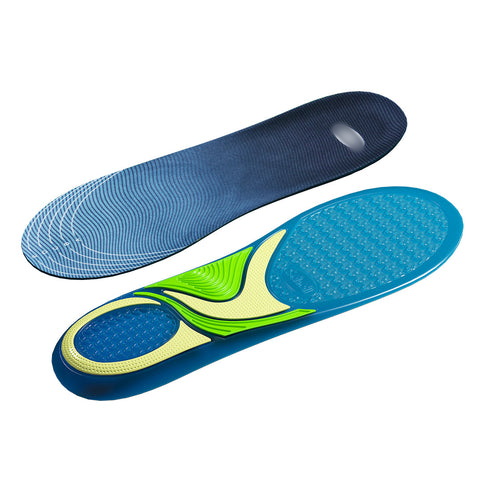
Orthotic inserts often use EVA, PU foam, gel, and carbon fiber. These materials balance cushion, flexibility, and structure to suit various foot conditions and activities.
Yes. OEM factories can design insoles tailored to specific arch shapes, densities, and branding requirements. They can also adjust material hardness and contour based on medical or athletic applications.
If you experience frequent heel pain, uneven shoe wear, or discomfort while walking or standing, you may benefit from orthotic support. Podiatrists often recommend them for posture correction or injury prevention.
Sampling usually takes one to two weeks, and full production can range from three to six weeks depending on order size, mold customization, and logistical scheduling.
Absolutely. Many Chinese OEM factories supply international markets with CE, ISO, and environmental certifications. Their flexibility, cost efficiency, and quality make them trusted partners for global brands.


