
Views: 222 Author: Edvo Publish Time: 2025-10-29 Origin: Site


Content Menu
● Signs You Might Need Arch Support Insoles
● Common Conditions Improved by Arch Support Insoles
● Who Benefits Most from Arch Support Insoles?
>> 2. Workers on Their Feet All Day
>> 3. Seniors
>> 4. Flat-Footed or High-Arched Individuals
>> 5. Industrial and Construction Workers
● How Arch Support Improves Body Alignment
● Custom vs. Standard Arch Support Insoles
● Choosing the Right Arch Support Insoles
● How Our OEM Arch Support Insole Factory Can Help
● Innovations in Arch Support Insole Design
● Proper Use and Maintenance of Arch Support Insoles
● Why Arch Support Insoles Are a Smart Investment
● FAQs
>> 1. What are arch support insoles used for?
>> 2. Can arch support insoles relieve lower back or knee pain?
>> 3. How often should I replace arch support insoles?
>> 4. Are firm or soft insoles better for support?
>> 5. Can arch support insoles fit in any shoe?
Healthy feet are the foundation of a healthy body. Every step you take depends on the strength, balance, and flexibility of your arches. Yet, most people underestimate how crucial arch support insoles are until they experience pain or fatigue. Whether you're an athlete, a busy professional, or someone who simply wants better comfort during daily activities, understanding who needs arch support—and why—can transform your walking experience.

The foot arch works like a spring, absorbing shock and supporting body weight with every step. It consists of bones, tendons, and ligaments that must stay in proper alignment to maintain balance. Improper footwear, flat feet, or long hours of standing can cause the arch to weaken, resulting in strain and discomfort that radiates throughout the body.
The arch shape varies among individuals:
- Low Arches (Flat Feet): Often lack natural support and may lead to pronation, where the ankle rolls inward.
- Normal Arches: Provide good balance, but still benefit from insoles to prevent strain during long activities.
- High Arches: Tend to place pressure on the heels and balls of the feet; need cushioning for shock absorption.
Arch support insoles provide tailored assistance to fit these unique foot structures, ensuring optimal support and comfort.
Ignoring foot discomfort can lead to long-term complications. Consider investing in supportive insoles if you experience any of the following:
- Persistent pain in the heel, arch, or ball of the foot
- Frequent soreness or cramping after walking or running
- Lower back pain, knee strain, or hip discomfort without clear cause
- Uneven shoe wear, showing one-sided deterioration
- Collapsed arches when standing, causing flat-footed posture
Even mild symptoms can signal early weakness in the foot's structure. Insoles help restore balance before chronic pain develops.
While some people seek arch support purely for comfort, others rely on it for managing specific conditions:
1. Plantar Fasciitis
Inflammation of the thick ligament running across the bottom of the foot. Arch support reduces the pulling on this fascia, easing heel pain.
2. Flat Feet or Fallen Arches
When the arch collapses, the foot rolls inward excessively. Structured insoles lift the arch to restore alignment.
3. High-Arched Feet (Cavus Deformity)
High arches can't absorb shock efficiently. Soft, cushioned insoles distribute impact evenly and prevent strain.
4. Overpronation and Supination
Arch support stabilizes the foot, preventing inward or outward rolling that stresses the ankles and knees.
5. Diabetic Foot Problems
Special insoles minimize friction, protect sensitive skin, and spread pressure evenly to prevent ulcers.
Arch support plays both a corrective and preventive role—reducing fatigue, improving stability, and maintaining healthy alignment through every movement.
Though designed for people with specific foot issues, anyone seeking comfort, stability, and better posture can benefit. Here's who gets the most from using them:
Athletes demand top performance from their feet. Every sprint or jump transmits powerful forces through the legs and joints. Insoles with well-designed arch support help distribute that shock and enhance biomechanical efficiency. They also minimize muscle fatigue during long runs and assist in faster recovery.
Retail workers, nurses, chefs, and teachers often endure long shifts on unforgiving floors. Arch support insoles relieve constant foot pressure, promote circulation, and delay fatigue, allowing for more productivity and reduced strain.
Aging naturally reduces the foot's fat padding and elasticity. Supportive insoles restore cushioning, improve balance, and lower fall risks by stabilizing gait.
Anyone with abnormal foot structure benefits immensely. Insoles maintain proper alignment and prevent musculoskeletal stress that could affect knees, hips, and spine.
Standing or walking on hard surfaces in safety boots can take a toll. Insoles designed with anti-fatigue and shock-absorbent properties protect joints and enhance comfort during long working hours.
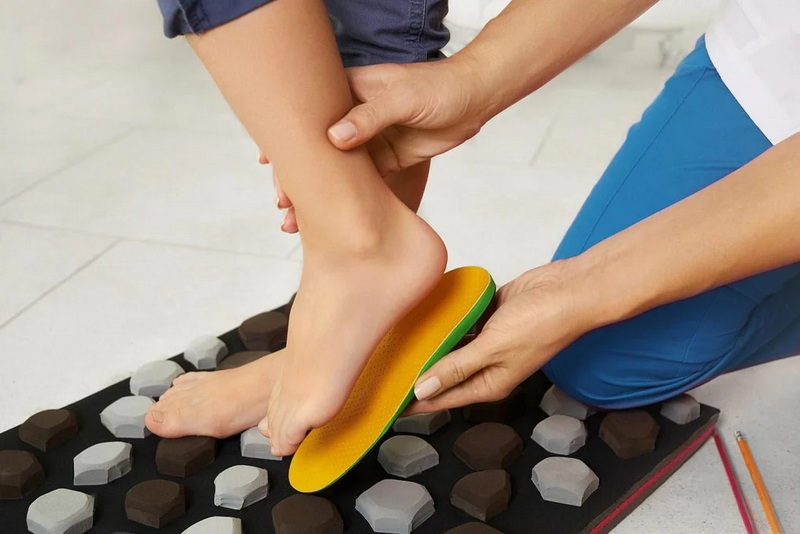
Good foot alignment is the foundation of full-body stability. Even minor deviations in foot structure can affect posture all the way up to the neck. Proper insoles correct the foot's base posture, ensuring the ankles, knees, hips, and shoulders remain aligned in a straight, efficient line.
Key Alignment Benefits:
- Promotes natural posture while standing or walking
- Reduces joint wear and uneven stress between legs
- Enhances balance and stability on various surfaces
- Relieves back and leg discomfort caused by misalignment
When the feet are aligned, energy efficiency increases, reducing strain during repetitive movements and improving overall endurance.
Different types of insoles suit different needs. Understanding the pros and cons of each helps you choose wisely.
| Type | Description | Advantages | Ideal For |
|---|---|---|---|
| Custom Orthotics | Designed from detailed 3D scans or molds of your feet. | Precise fit, medical-grade correction, long-lasting durability | People with specific conditions, like plantar fasciitis or diabetic neuropathy |
| Standard Prefabricated Insoles | Ready-made options available in various arch heights and shoe sizes. | Affordable, easy to replace, provides excellent general comfort | Daily wear, sports, standing work |
| Cushioned Foam & Gel Inserts | Offer soft comfort and increased shock absorption. | Lightweight, good for fatigue relief | People with mild discomfort or casual use |
Selecting the correct type of insole ensures proper comfort and effectiveness. Here's what to consider before buying:
- Arch Type Matching: Identify whether your arch is low, medium, or high. Choose insoles with proportional elevation.
- Intended Use: Athletic activity requires dynamic flexibility; work or casual use benefits more from stability and cushioning.
- Material Choice: EVA foam for durability, PU for comfort, gel layers for shock absorption, or natural cork for breathability.
- Shoe Fit: Ensure the insole fits snugly without crowding the shoe. Trimming options allow better customization.
- Moisture Management: Choose insoles with breathable top layers to keep the foot cool and dry.
Proper selection enhances the synergy between foot shape, shoe type, and movement pattern.
As a leading insole manufacturer in China, we collaborate with international brands, retailers, and footwear designers to produce premium-quality arch support insoles. Our factory integrates advanced design, material innovation, and large-scale manufacturing to deliver highly customized products.
Our Capabilities Include:
- OEM/ODM customization for global footwear brands
- 3D scanning and ergonomic CAD modeling
- Materials such as EVA, PU, TPU, memory foam, and eco-friendly composites
- Injection molding and precision cutting for consistent quality
- Custom logo printing, packaging, and branding options
- Full testing for compression, resilience, and wear resistance
By partnering with us, brands can launch diverse product lines — from running insoles and orthopedic inserts to children's comfort insoles — all manufactured to strict international standards.
In recent years, insole design has evolved far beyond traditional foam models. Manufacturers now employ biomechanical data, medical research, and advanced materials to enhance performance.
Popular Design Innovations:
- 3D Contoured Base: Adapts precisely to the arch curve, ensuring personalized comfort.
- Dual-Density Construction: Combines a firm base for support with a soft upper for comfort.
- Heel Cups and Metatarsal Pads: Stabilize heel positioning and prevent forefoot pain.
- Antibacterial & Odor-Control Coatings: Keep shoes fresh after long hours of wear.
- Smart Insoles with Pressure Sensors: Measure walking patterns and provide performance feedback.
These features make today's arch support insoles smarter, lighter, and more responsive than ever.
Even high-quality insoles require proper care to maintain their effectiveness. Follow these best practices:
- Gradual Adaptation: Wear them for a few hours on the first day, increasing duration daily until fully comfortable.
- Regular Cleaning: Wipe with mild soap and water, then air dry thoroughly.
- Avoid Overheating: Keep them away from direct sunlight or dryers to prevent warping.
- Replacement Schedule: Change insoles every 6–12 months depending on daily usage or visible wear.
- Rotation: If you own multiple pairs, rotating them enhances longevity and hygiene.
Proper maintenance maximizes performance, hygiene, and durability, ensuring all-day comfort over extended use.
Beyond comfort, arch support insoles offer significant long-term health and economic benefits. They can prevent medical issues that lead to costly treatments later. A stable and comfortable foundation reduces fatigue, improves posture, and enhances mobility — especially important for active professionals and aging populations.
Key Advantages:
- Improved walking endurance
- Reduced risk of joint inflammation
- Enhanced energy efficiency during daily activities
- Better shoe lifespan through balanced pressure distribution
- Greater overall foot hygiene and odor control
In essence, arch support insoles protect your feet the way tires protect a car — maintaining stability, efficiency, and longevity.
Arch support insoles are not a luxury; they are a necessity for maintaining strong, healthy, and pain-free feet. From athletes striving for performance to professionals enduring long workdays, proper support prevents injuries and promotes lasting comfort.
Our factory proudly offers OEM arch support insoles crafted for global markets with precision engineering, innovative materials, and customizable branding options. Whether your company focuses on sports footwear or medical orthotics, we can help you design products that make every step healthier.
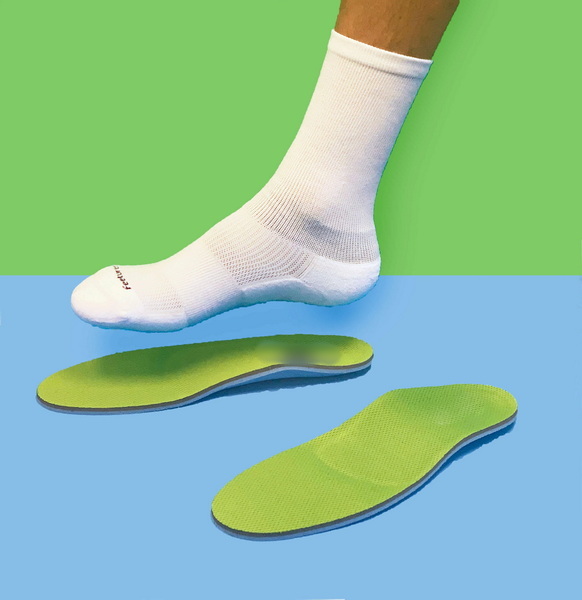
They support the foot's natural structure, redistribute pressure evenly, and reduce discomfort caused by weak or flat arches.
Yes. By realigning the body from the ground up, insoles alleviate strain transferred to joints in the legs, hips, and spine.
Most insoles last about six to twelve months depending on daily wear, activity, and material type. Replace when cushioning feels flat or uneven.
Firm insoles provide stability, while soft ones offer cushioning. The best choice depends on arch type and foot condition.
Most insoles are trim-to-fit and adaptable to various shoe types—sneakers, work boots, or casual shoes—ensuring optimal versatility.


