
Views: 222 Author: Edvo Publish Time: 2025-12-02 Origin: Site


Content Menu
● How Arch Inserts Influence Bunion Mechanics
● Benefits of Arch Inserts for Bunion Sufferers
● Limits of What Arch Inserts Can Do
● Design Features of Effective Bunion Arch Inserts
● Footwear Choices That Maximize the Effect of Arch Inserts
● Daily Habits and Exercises to Support Bunion Relief
● When Arch Inserts Are Not Enough
● OEM Opportunities for Bunions and Arch Inserts
● How to Introduce Bunion-Focused Arch Inserts in Your Product Line
● FAQs About Arch Inserts and Bunions
>> 1. Will arch inserts help if my bunion is already large?
>> 2. How do I know if an arch insert is suitable for my bunion?
>> 3. How long does it take to feel relief from arch inserts?
>> 4. Should I choose soft or firm arch inserts for bunions?
>> 5. When should I consider surgery instead of relying on arch inserts?
Arch inserts can be very helpful for many people with bunions by supporting the arch, improving foot alignment, and taking pressure off the big toe joint, although they do not remove the bunion itself. For mild to moderate bunions, well-designed insoles are often a key conservative option before considering surgery and can be integrated into OEM insole lines for global brands.
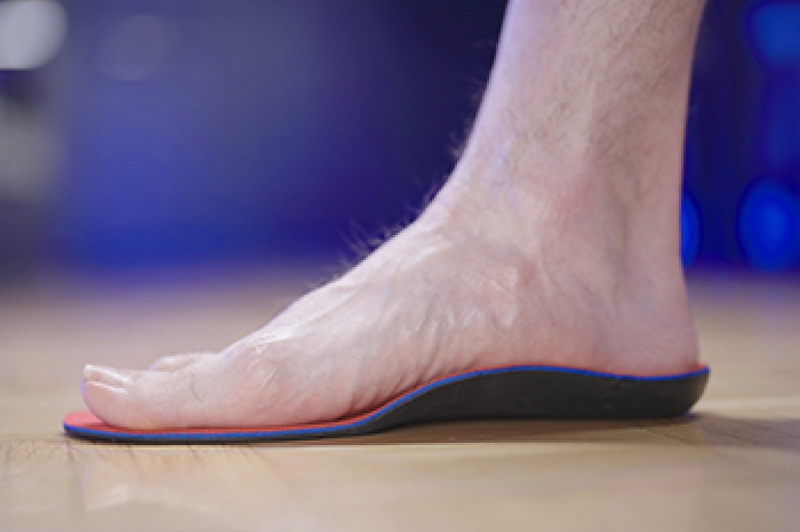
A bunion is a deformity at the base of the big toe where the joint gradually drifts outward, creating a visible bump and irritation on the inner side of the foot. This condition, also known as hallux valgus, changes the way weight travels through the forefoot, which can lead to pain, stiffness, redness, and difficulty wearing regular shoes.
Bunions are influenced by heredity, foot shape, flat feet, and long-term use of tight or high-heeled shoes that crowd the toes and overload the big toe joint. Over time, abnormal mechanics and pressure worsen the deviation of the big toe and may affect posture and gait.
Arch inserts work by supporting the medial arch and limiting excessive inward rolling of the foot, which is a frequent driver of bunion stress. When the arch is stabilized, the big toe joint is subjected to more balanced forces instead of being overloaded on its inner side with each step.
In addition, insoles can help spread pressure across a larger area of the foot so that the bunion no longer bears a disproportionate share of body weight. This redistribution decreases friction and shear forces on the irritated joint capsule and surrounding soft tissues.
- Reduce pain during standing and walking by supporting the arch and offloading the big toe joint.
- Improve functional comfort in everyday shoes, work footwear, and casual sneakers.
- Help stabilize the rearfoot and midfoot, which may slow the progression of the deformity in flexible bunions.
Health organizations note that padded shoe inserts and orthotic devices can ease symptoms and may slow bunion progression by evening out pressure across the foot. For many people, this translates into better comfort, longer walking tolerance, and fewer flare-ups after long days on their feet.
Arch inserts cannot “cure” a bunion because they do not reverse the structural deviation of the bones in the big toe joint. In severe or very rigid bunions, inserts may still offer cushioning and some relief, but they cannot restore normal joint alignment once the deformity is fixed.
Over-the-counter insoles are mainly symptom-management tools and should not be seen as permanent structural correction. When pain is intense, constant, or associated with significant stiffness, surgical options may need to be discussed with a specialist.
To serve bunion sufferers well, arch inserts need more than simple cushioning. For brands and OEM buyers, key design elements include:
- A reasonably firm arch platform that resists collapse under body weight while still feeling comfortable underfoot.
- A heel cup that cradles the heel and keeps it from rolling inward, which helps maintain better overall alignment.
- A forefoot design that widens the support surface and gently offloads the area around the big toe joint.
- Top covers that are smooth, breathable, and gentle on sensitive skin around the bunion.
Professional guides to orthotic use for bunion relief emphasize the importance of supporting the arch, controlling pronation, and adding strategic padding to reduce local pressure on the joint. These parameters can be translated into OEM specifications so that finished insoles are both biomechanically sound and commercially attractive.
Arch inserts work best when paired with shoes designed to respect bunion anatomy rather than fight it. A wide and high toe box allows the big toe joint and bunion to sit without being compressed, which reduces friction and inflammation.
Stable soles and low to moderate heel height help keep weight evenly distributed instead of pushing the body forward onto the bunion region. Soft uppers and adjustable closures, such as laces or straps, make it easier to accommodate both the bunion and the added volume of an insole.
Arch inserts are more effective when combined with healthy foot habits. Simple routines can enhance flexibility, strength, and circulation around the big toe joint.
Useful daily practices include:
- Gentle big toe stretches that move the toe toward a straight position within a comfortable range.
- Rolling the arch on a soft ball or massage roller to relieve tightness in the plantar tissues.
- Controlled toe curls and spreading exercises to strengthen small foot muscles that support the arch and help stabilize the big toe.
Educational resources on bunion care often encourage stretching, strengthening, and balance training along with orthotic use to maintain mobility and reduce discomfort.
Some people continue to struggle with significant bunion pain even after using appropriate insoles and supportive footwear. In such cases, professional evaluation is essential. A foot and ankle specialist or podiatrist can assess joint flexibility, arthritis, and overall alignment to decide whether advanced treatments are appropriate.
Conservative options such as physical therapy, custom orthotics, and activity modifications may be adjusted or intensified. If symptoms remain severe, surgical procedures like realignment osteotomies or joint fusion may be considered to correct deformity and relieve pain.
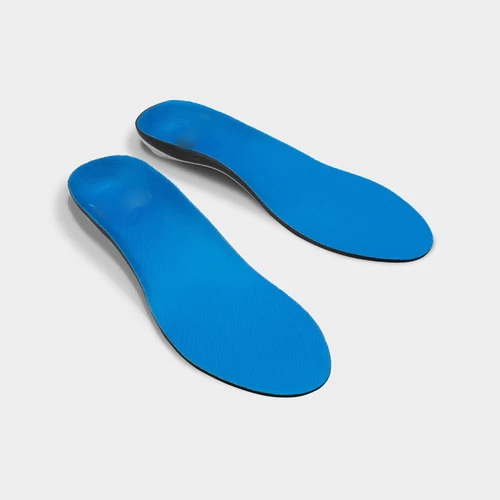
For overseas brand owners, wholesalers, and footwear producers, bunion-related foot pain represents a large and growing market segment. Many consumers search for insoles and shoes that clearly advertise arch support and bunion comfort.
An experienced insole manufacturer can develop private-label arch inserts tailored to specific target users, such as office workers, active adults, runners, or seniors with sensitive feet. Customizable elements can include arch height, forefoot width, cushioning thickness, anti-odor materials, and co-branded packaging to meet branding needs and retail positioning.
By combining biomechanical insight with scalable production, OEM partners can help international brands offer professional-grade bunion solutions without investing in their own factory infrastructure. This approach supports both functional performance and commercial differentiation in competitive footwear and insole markets.
If you are planning to launch a bunion-friendly arch insole series, consider a structured approach so the range is clear to consumers and easy to market.
Steps to structure a product line:
- Define user profiles, such as “office comfort,” “walking and travel,” and “sports and training,” each with appropriate support and cushioning levels.
- Offer several arch profiles for flat, neutral, and slightly high arches, while maintaining a broad forefoot platform for bunion space.
- Provide simple fit and usage guides that show customers how to insert the insole, break it in gradually, and pair it with suitable footwear.
Arch inserts are a practical and often highly effective conservative option for people with bunions, especially when they support the arch, control excess pronation, and reduce pressure on the big toe joint. They cannot remove the bunion but can significantly improve comfort, help maintain mobility, and may slow progression when combined with suitable footwear and healthy foot habits. For international brands, wholesalers, and manufacturers, collaborating with an experienced insole factory to develop bunion-focused OEM arch inserts is a powerful way to meet consumer demand for comfort, performance, and long-term foot health.
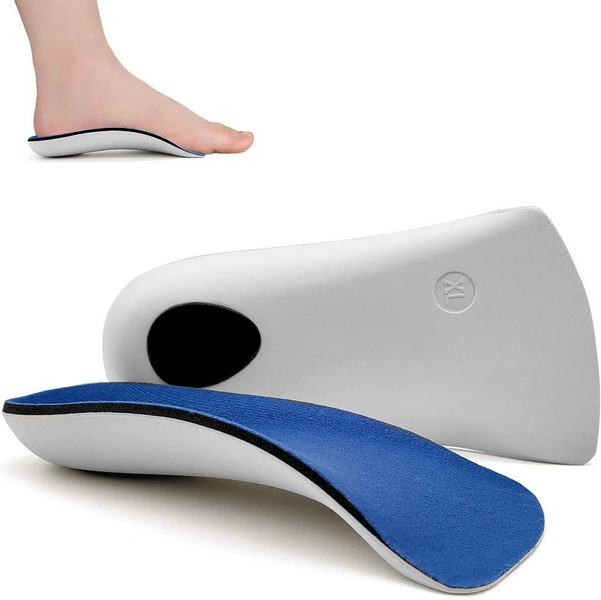
Arch inserts can still reduce pain and improve comfort even when the bunion is clearly visible, because they support the arch and redistribute pressure away from the big toe joint. However, in very advanced deformities, inserts mainly relieve symptoms rather than significantly changing toe position.
A suitable insert should feel supportive under the arch without causing new pain, fit flat in your shoe, and leave enough room for the bunion without tightness. If the bunion area feels more compressed or if you develop new hotspots, a different design or size is needed.
Some people feel improvement within days, while others need a gradual adaptation period as their feet adjust to new support. Wearing the inserts for shorter periods at first and slowly increasing daily use often produces better long-term comfort.
Soft inserts can feel comfortable initially but may not provide enough structural control for overpronation, while very firm devices might feel too hard for sensitive feet. Many bunion sufferers do well with semi-rigid support that stabilizes the arch and includes a cushioned top layer for shock absorption.
Surgery may be considered if bunion pain interferes with daily life despite appropriate insoles, footwear modifications, and other conservative measures. A specialist can evaluate your joint, imaging, lifestyle, and goals to determine whether surgical correction is suitable and which procedure is most appropriate.


