
Views: 222 Author: Edvo Publish Time: 2025-09-24 Origin: Site


Content Menu
● What Are Orthotics and Insoles?
>> Orthotics: Customized Foot Support
>> Insoles: Comfort and Cushioning
● Understanding the Differences
● Can You Wear Orthotics Over Insoles?
>> Exception: Specialized Insoles Designed to Accommodate Orthotics
● How to Properly Use Orthotics and Insoles
>> Step-by-Step Guide to Using Orthotics
>> When to Use Insoles Instead of Orthotics
● What Happens if You Wear Orthotics Over Insoles?
● Choosing the Right Footwear for Orthotics
● Maintenance and Care of Orthotics and Insoles
● Additional Benefits of Proper Orthotic Use
● How Orthotics Are Made and Fitted
● FAQ
>> 1. Can orthotics be worn over existing insoles?
>> 2. Should I remove the shoe's insole before inserting orthotics?
>> 3. How do I know if I need orthotics or just insoles?
>> 4. Can I use insoles and orthotics at the same time?
>> 5. How often should orthotics be replaced or adjusted?
Orthotics and insoles are two of the most common foot care solutions used to enhance comfort, support, and alignment. However, many people wonder whether they should wear orthotic insoles or if these supportive products should be used separately. This article explores the differences between orthotics and insoles, explains when and how to use each product, and provides expert advice on whether orthotics should be placed over insoles or substituted for them.

Orthotics are specialized devices, often custom-made, designed to correct specific biomechanical issues in the feet. These devices are prescribed by podiatrists and are tailored to the individual's foot shape and gait. Orthotics can help address conditions such as flat feet, plantar fasciitis, high arches, and arthritis by realigning the foot and reducing stress on muscles and joints.
Orthotics typically provide support where it is most needed. They may be made from rigid or semi-rigid materials such as plastic or carbon fiber, chosen to maintain proper foot alignment and correct movement patterns. Because of their rigidity and precise fit, orthotics are usually designed to replace the factory insole inside a shoe.
Insoles, also known as footbeds or shoe inserts, typically provide extra cushioning and mild arch support. They are usually available over the counter and are made from softer materials such as foam, gel, or felt. Insoles are generally used to improve comfort in everyday shoes and absorb shock to minimize foot fatigue.
Unlike orthotics, insoles do not correct biomechanics but instead enhance comfort and reduce pressure points. People often use them for an added layer of softness during standing or walking, or when shoe fit is slightly loose.
| Feature | Orthotics | Insoles |
|---|---|---|
| Purpose | Correct foot and gait abnormalities | Provide cushioning and comfort |
| Customization | Usually custom-made | Usually generic, one-size-fits-all |
| Material | Rigid or semi-rigid materials | Soft foam, gel, or cushioned layers |
| Prescribed by | Podiatrist or orthopedic specialist | Available over the counter |
| Cost | Higher due to customization | Lower cost |
| Function | Realignment and correction | Cushioning and minor support |
Orthotics are designed to fit inside your shoe and replace any existing insoles for optimal support and function. Wearing orthotics *over* insoles typically leads to improper fit and reduced effectiveness. Insoles add thickness and cushioning, which can alter how orthotics sit in the shoe, potentially causing discomfort or limiting the orthotic's corrective action.
Orthotics must sit firmly against the bottom of the shoe to support the foot properly. When placed on top of an insole, they tend to shift or tilt, which can cause instability in your stride. This improper fit may lead to increased pressure on certain areas of the foot, resulting in blisters, soreness, or even pain.
Some shoes come with removable insoles that are thin and made to act as a stable base layer under orthotics. In such cases, the original insole may stay in place while the orthotic fits on top. However, this is uncommon and requires precise shoe design and professional advice before combining these layers.
Additionally, some people use thin, protective liners under orthotics to reduce friction or to keep the orthotics clean. These liners are different from traditional cushioned insoles and do not add significant bulk.
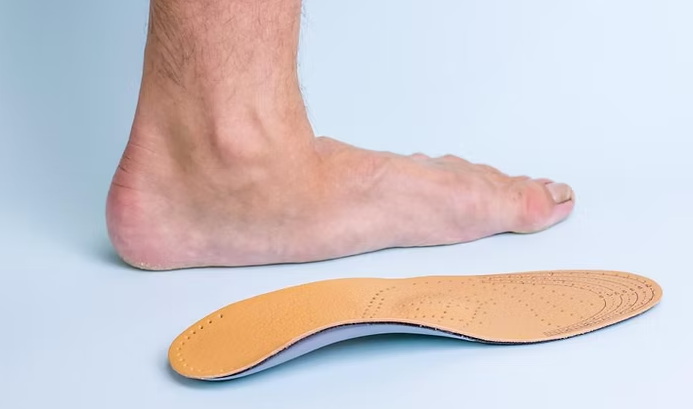
1. Remove existing insoles to avoid overcrowding your shoe and ensure orthotics fit properly.
2. Place orthotics directly into the shoe, ensuring the arch and heel remain in proper position.
3. Wear fitted shoes with adequate volume to allow room for orthotics without squeezing your foot.
4. Break in orthotics gradually, starting with 1–2 hours daily and increasing wear time as comfort improves.
5. Consult your podiatrist for adjustments if you experience discomfort or signs of improper fit.
Wearing orthotics consistently and correctly can significantly improve foot biomechanics and reduce pain, but misusing them by adding insoles underneath can negate these benefits.
Insoles are ideal for people who want extra cushioning without the need for structural correction. Situations where insoles are preferable include:
- When no specific foot conditions require biomechanical intervention.
- For mild foot discomfort caused by prolonged standing or walking.
- As a preventive measure to reduce stress in athletic or casual shoes.
- As a temporary comfort aid for shoes without removable insoles.
Insoles are generally less expensive and widely available, making them a convenient option for comfort enhancement.
Layering orthotics on top of insoles can create several problems:
- Reduced interior shoe space: Adding both inserts takes up more room, causing your shoes to feel tight.
- Improper orthotic positioning: Orthotics may not sit flat against the shoe's sole, reducing their effectiveness.
- Foot instability: Poor fit can cause the orthotic to shift during movement, increasing the risk of falls or injuries.
- Increased pressure and discomfort: Extra layers may press unevenly on sensitive parts of the foot, causing blisters or pain.
- Uneven weight distribution: Orthotics are designed to support specific areas of the foot, and layering disrupts this balance.
Because of these potential issues, placing orthotics over insoles is generally discouraged. The best practice is to remove existing insoles before inserting orthotics.
Proper footwear is crucial to maximizing orthotic benefits and ensuring comfort. Here are key considerations when choosing shoes to wear with orthotics:
- Removable insoles: Shoes that allow removal of factory insoles facilitate the use of custom orthotics.
- Adequate internal volume: Enough space in the toe box and heel area prevents squeezing when orthotics are inserted.
- Adjustable fastenings: Laces, straps, or Velcro can help tailor the fit to accommodate orthotics.
- Stable sole construction: Firm midsoles and supportive heel counters enhance overall foot stability.
- Avoid overly tight or narrow shoes: These can cause discomfort and worsen foot problems, especially when orthotics add bulk inside the shoe.
Investing in shoes designed for orthotic use or consulting with a professional about footwear options helps prolong orthotic lifespan and improves comfort.
Regular maintenance will keep orthotics and insoles in good condition, extending their usability:
- Clean regularly: Use mild soap and water to wipe dirt and sweat from orthotics and insoles.
- Air dry: Avoid direct heat or sunlight that can warp or degrade materials.
- Inspect for wear: Look for cracks, compression, or abrasions that may reduce effectiveness.
- Replace insoles every 6–12 months: Cushioning materials degrade over time and lose shock absorption.
- Re-evaluate orthotics periodically: A podiatrist can assess fit and function, making adjustments or recommending new orthotics if needed.
Proper care prevents odor build-up and material breakdown, ensuring continued comfort and foot health.
When used correctly, orthotics offer numerous benefits beyond immediate foot support:
- Improved posture: By correcting foot alignment, orthotics contribute to better overall body posture.
- Reduced joint stress: Realignment decreases strain on ankles, knees, hips, and lower back.
- Enhanced athletic performance: Proper biomechanics can improve balance, endurance, and reduce injury risk during sports.
- Pain relief: Orthotics provide targeted support that alleviates chronic foot pain conditions.
- Prevention of deformities: Proper support helps avoid worsening of conditions like bunions or hammer toes.
Regular use of orthotics under professional guidance promotes long-term foot and body health.
Orthotic manufacturing is a precise process involving several steps:
- Assessment and Casting: A podiatrist evaluates the foot's structure and gait, taking molds or 3D scans.
- Customization: Using the mold, orthotics are crafted from materials designed for the individual's needs.
- Fitting and Adjustment: The orthotics are fitted inside shoes, and minor modifications are made for comfort.
- Follow-up: Ongoing monitoring ensures orthotics continue to meet changing foot requirements.
Modern technology has enhanced orthotic design, incorporating lightweight and durable materials for better wearability.
Orthotics and insoles serve two distinct purposes in foot care: orthotics offer customized correction and alignment, while insoles primarily provide comfort and cushioning. Generally, orthotics should not be placed over insoles because this can disrupt fit and function. Instead, orthotics should replace insoles or be used in shoes with specialized insoles designed for layered use. Proper fitting and shoe choice are crucial to maximizing the benefits of orthotics. For any foot issues or doubts about usage, consulting a podiatrist or foot care professional is highly recommended. Wearing orthotics correctly can significantly improve foot comfort, reduce pain, and enhance overall body mechanics.

No, it is generally not recommended to wear orthotics over existing insoles because it compromises fit and support.
Yes, remove existing insoles to create sufficient space for orthotics and ensure they function properly.
If you experience foot pain or alignment issues, consult a podiatrist for orthotics; insoles are best for comfort without specific foot problems.
Typically no, but some specialized insoles designed to work with orthotics may allow this. Always check shoe and insole compatibility.
Orthotics may need evaluation every 1-2 years or sooner if you notice discomfort, changes in foot shape, or decreased support.


