
Language
Views: 222 Author: Edvo Publish Time: 2025-12-14 Origin: Site


Content Menu
● How Bcbs Treats Orthotic Inserts
● Medical Necessity And Eligibility
● Differences Among Bcbs Plans
● Commercial Plans Vs Medicare‑Related Options
● Typical Requirements For Coverage
● Common Exclusions And Limitations
● Financial Responsibilities And Cost‑Sharing
● Prior Authorization And Claim Management
● Appeals When Orthotic Inserts Are Denied
● What Clinics And Retailers Should Know
● OEM Opportunities For Orthotic Inserts
● Practical Tips For Patients And Providers
● FAQ
>> 1. Does every Bcbs plan cover orthotic inserts?
>> 2. What diagnoses make orthotic inserts more likely to be covered?
>> 3. Do I need a prescription to use Bcbs benefits for orthotic inserts?
>> 4. How often will Bcbs pay for replacement orthotic inserts?
>> 5. Can non‑prescription insoles from stores be reimbursed by Bcbs?
Bcbs plans can cover orthotic inserts, but coverage is highly plan specific and usually requires medical necessity, a prescription, and use of approved suppliers. Many contracts limit or even exclude routine foot inserts, so members, clinics, and brands must check each policy carefully before assuming benefits apply.
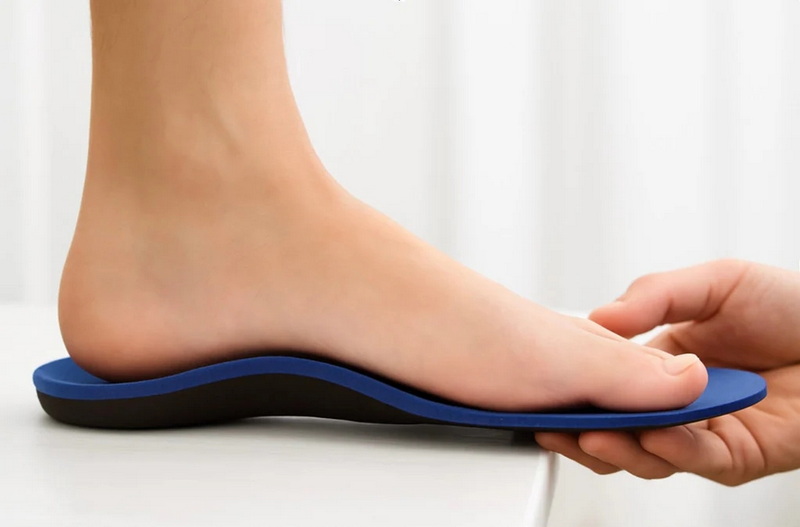
Most Bcbs companies classify orthotic inserts as orthotic devices or part of durable medical equipment, subject to strict rules on necessity and contract language. Some contracts exclude supportive devices for the feet, while others allow coverage when inserts are medically necessary for specific diagnoses or attached to a leg brace.
In many regions, custom foot orthotics are only covered when there is documented foot pain or a defined foot condition, along with a clear treatment plan. Stock or over‑the‑counter inserts are often viewed as comfort products and may not qualify for reimbursement unless the contract explicitly includes them.
To qualify, orthotic inserts usually must be ordered to treat an illness or injury and not simply for comfort or performance enhancement. Bcbs medical policies emphasize that the device should support, align, or correct a body part and be consistent with professional treatment goals.
Plans commonly require symptoms tied to recognized foot disorders, such as heel pain, structural deformities, or complications related to systemic disease, before custom orthotics are considered appropriate. Documentation often needs to show that other conservative measures have not provided adequate relief or that inserts are part of a post‑surgical or post‑traumatic care plan.
Bcbs operates as a federation of regional companies, so coverage rules differ between states and product types such as employer group plans, individual policies, and government‑related plans. Some policies specifically cover custom inserts under durable medical equipment benefits, while others only cover devices associated with diabetes care or leg braces.
Certain contracts even restrict how often an orthotic device can be replaced, setting a normal life span before another pair becomes eligible unless there is a documented medical reason. Other plans may exclude orthotic devices entirely, making it essential to read the benefit booklet or online summary before prescribing or purchasing inserts.
Commercial Bcbs products sponsored by employers often provide broader access to custom bracing, including foot orthotics, especially in larger employer groups. However, even in those plans, the orthotic must meet definitions of medical necessity, and some policies cap the number of devices covered over a set time period.
Medicare‑related Bcbs plans typically follow federal rules that focus on severe foot disease or diabetes for therapeutic shoes and inserts, and coverage for non‑diabetic conditions is narrower. Medicare Advantage products administered by Bcbs must at least match original Medicare categories for durable medical equipment but may layer additional prior‑authorization or network requirements on orthotics.
Across many Bcbs policies, several conditions frequently appear before orthotic inserts are approved as covered benefits. Understanding these common requirements helps patients, clinics, and OEM partners plan more effective, claim‑friendly pathways.
Prescription from a qualified provider such as a physician or appropriately trained specialist, clearly indicating the diagnosis and need for orthotic inserts.
Objective clinical findings in the record that link the patient's symptoms and diagnosis to the proposed custom or rehabilitative orthotic treatment.
Evidence that the inserts are part of a structured treatment plan aimed at improving function, reducing pain, or preventing complications.
Use of in‑network prescribers and suppliers whenever network rules apply, to avoid unexpected denials or higher out‑of‑pocket costs.
Compliance with any prior authorization or documentation checklists specified in the medical policy or benefit guideline.
Many Bcbs plans explicitly exclude orthotics used for general foot discomfort, flat feet, weak feet, or non‑specific complaints, especially when no clear pathology is documented. Policies also often deny coverage for routine orthopedic footwear, even though therapeutic shoes used with leg braces or for certain systemic diseases can be covered.徐Some contracts treat supportive inserts as personal comfort items similar to non‑prescription arch supports, which fall outside medical benefits. Certain regional plans go further by limiting coverage to specific diagnoses like diabetes‑related foot problems, while excluding orthotic inserts for corns, calluses, hammertoes, or uncomplicated flat foot.
Even when orthotic inserts are covered, members are usually responsible for cost sharing such as deductibles, copayments, or coinsurance under their plan. These out‑of‑pocket amounts can differ significantly between high‑deductible designs, traditional copay models, and more generous employer‑sponsored options.
Some plans apply separate cost‑sharing levels for durable medical equipment, meaning orthotic inserts might not fall under the same copay rules as office visits or lab tests. Patients who obtain orthotics from out‑of‑network providers often face higher coinsurance or no coverage at all, even if the device itself would otherwise qualify.
Many Bcbs entities encourage or require prior authorization before higher‑cost orthotic inserts are fabricated and dispensed. During this process, the plan reviews diagnosis codes, provider notes, and the proposed device type to confirm that it meets internal coverage criteria. Submitting clear clinical narratives, gait analysis findings, and relevant imaging reports can significantly increase the likelihood of approval. When prior authorization is not obtained, some plans automatically deny claims, leaving patients or clinics to pursue appeals or write‑offs later.
If orthotic claims are denied, members usually have the right to file an appeal, providing additional medical records or clarifications. Common successful arguments include clarifying diagnosis codes, demonstrating failed conservative care, or correcting misunderstandings about the device type prescribed.
Clinics and patients should pay attention to appeal deadlines, required forms, and whether an internal or external review is available for the disputed claim. Detailed letters from treating specialists, especially when multiple clinicians agree on the need for orthotic intervention, can strengthen the case.
Before ordering orthotic inserts, members should contact their Bcbs customer service or use the plan portal to confirm whether orthotics are covered and under what benefit category. Asking targeted questions about diagnosis requirements, documentation standards, allowed frequency, and preferred suppliers can prevent unpleasant surprises at billing time.
Patients should also work closely with their healthcare provider to make sure the clinical notes clearly explain symptoms, diagnosis, prior treatments, and why custom or rehabilitative inserts are required. Keeping copies of prescriptions, evaluation reports, and itemized bills supports appeals if a claim is initially denied.
For clinics, understanding each patient's Bcbs plan type and regional medical policies is essential before dispensing high‑cost orthotic inserts. Implementing standardized intake forms that capture diagnosis, previous treatment, and functional limitations makes it easier to align with medical necessity language used in Bcbs criteria.
Retailers that sell non‑prescription inserts should avoid describing them as covered medical devices unless the products truly meet policy definitions and the buyer has a qualifying prescription. Instead, they can position mass‑market inserts as comfort or performance aids, while collaborating with medical providers and manufacturers for custom orthotic pathways that fit Bcbs benefit designs.
OEM orthotic insert manufacturers working with overseas brands can design product lines that clearly distinguish between comfort insoles and prescription‑grade orthotic inserts that match common insurance requirements. This includes focusing on materials, rigidity, and adjustability that align with medical policies describing custom functional foot orthoses.
Providing clinical documentation support, technical drawings, and standardized product descriptions makes it easier for clinics and distributors to submit accurate claims under Bcbs guidelines. OEM partners that understand plan limitations around replacement intervals and specific diagnoses can help brands create value‑focused packages for both self‑pay and insured patients.
Patients should keep a simple checklist that includes verifying coverage, obtaining a detailed prescription, confirming network status, and understanding expected out‑of‑pocket costs before orthotics are ordered. Asking whether low‑cost or temporary alternatives have been tried can also help ensure that the final recommendation truly meets medical necessity standards. Providers can streamline workflows by training staff to handle benefit verification, collect thorough clinical histories, and prepare template letters that translate clinical findings into language familiar to Bcbs reviewers. This proactive approach makes it easier to secure approvals on the first attempt, minimizing delays in treatment and financial uncertainty for patients.
Bcbs insurance can cover orthotic inserts, but whether an individual claim is approved depends on the specific regional company, plan design, diagnosis, and documentation of medical necessity. Many policies exclude inserts used only for comfort, while allowing coverage for custom functional orthotics tied to defined foot conditions, leg braces, or systemic disease‑related foot complications.
Patients should confirm benefits in advance, work with qualified providers to document clinical need, and follow plan rules on network use and prior authorization. Clinics, retailers, and OEM manufacturers that understand these rules can design products and workflows that support smoother approvals, better patient outcomes, and clearer differentiation between comfort insoles and true medical orthotics.
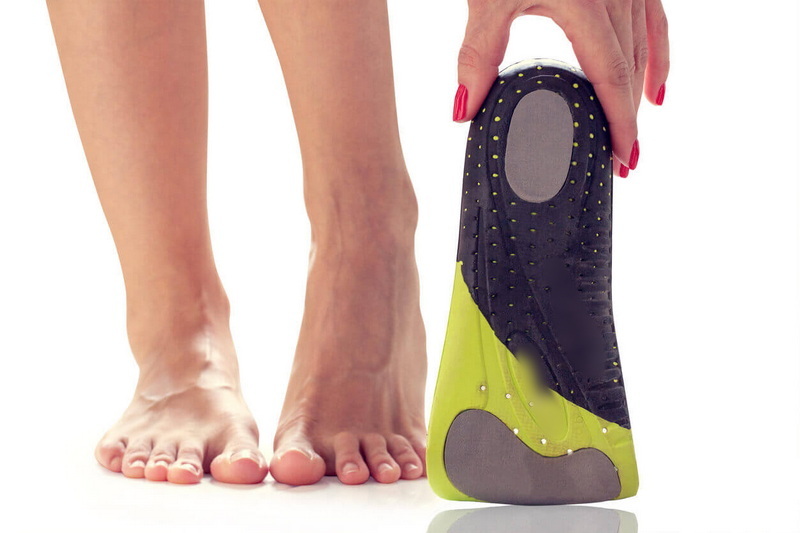
Not every Bcbs contract covers orthotic devices, and some plans explicitly exclude them or limit coverage to narrow clinical scenarios, so each member's benefits must be checked individually. Even when coverage exists, it often applies only to prescribed custom orthotics that satisfy strict medical necessity criteria rather than to general comfort inserts.
Coverage is more likely when there is documented foot pain or a defined structural or systemic condition that clearly justifies custom orthotics as part of treatment. Complex deformities, post‑surgical conditions, or diabetes‑related foot problems tend to meet policy thresholds more often than non‑specific soreness or uncomplicated flat foot.
Most Bcbs medical policies require a prescription from a qualified provider, indicating the diagnosis, treatment goals, and why orthotic inserts are necessary. Without a formal order and supporting clinical notes, orthotics are more likely to be classified as personal comfort items and denied.
Many Bcbs plans set a standard life span for orthotic devices and only cover replacement after that period unless there is a medical reason such as growth or significant change in condition. Some policies also limit the number of pairs allowed within a certain time frame, so patients should verify frequency limits before reordering.
Over‑the‑counter insoles sold for general comfort usually do not meet Bcbs definitions of covered orthotic devices and are typically excluded from medical benefits. Reimbursement is generally reserved for prescribed orthotics that meet device criteria and are obtained through recognized medical or orthotic suppliers.


