
Language
Views: 222 Author: Edvo Publish Time: 2025-10-15 Origin: Site


Content Menu
● Understanding Humana Health Insurance Plans
>>> What Are Orthopedic Insoles?
>> Who Needs Orthopedic Insoles?
● Humana Coverage Overview in 2025
>> Key Considerations for Coverage
● Getting Orthopedic Insoles Approved by Humana
● OEM Insights: Meeting International Market & Insurance Standards
● Who Is Eligible for Humana Coverage?
>> Case Study: Diabetic Foot Patients and Insole Coverage
● Key Steps for Patients Seeking Humana Coverage
● Common Pitfalls and How to Avoid Them
● Practical Tips for OEMs and International Brands
● Out-of-Pocket Expenses: What Is Not Covered?
● The Role of Chinese OEMs in the Global Orthotics Market
● FAQ
>> 1. Does every Humana plan automatically cover orthopedic insoles?
>> 2. Are over-the-counter insoles covered?
>> 3. Do diabetic patients have better insole coverage?
>> 4. What documentation do I need for reimbursement?
>> 5. Can Chinese insole suppliers support Humana claims?
Orthopedic insoles, also known as orthotic inserts, play a crucial role in promoting foot health and providing relief for numerous lower limb conditions. By improving the alignment, support, and comfort of the foot, orthopedic insoles can alleviate pain, prevent further injuries, and enhance overall mobility. As a trusted Chinese OEM manufacturer of insoles, partnering with international brands, wholesalers, and producers, understanding how U.S. insurance companies like Humana approach orthopedic insole coverage is indispensable. This comprehensive article explores Humana's policy towards orthopedic insoles, guides patients and distribution partners through the approval process, and highlights strategic considerations for international OEMs targeting insurance-driven markets.
Humana is one of the largest health insurance providers in the U.S., offering a broad spectrum of policies tailored for individuals, employer groups, and seniors. Their plans can be segmented into individual medical coverage, employer-sponsored health insurance, Medicare Advantage plans, and some Medicaid products depending on state partnerships. Each type of plan has different approaches to supplemental products like orthopedic insoles.
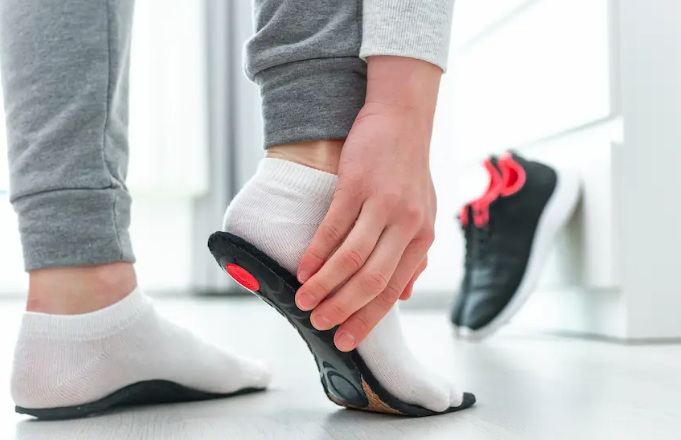
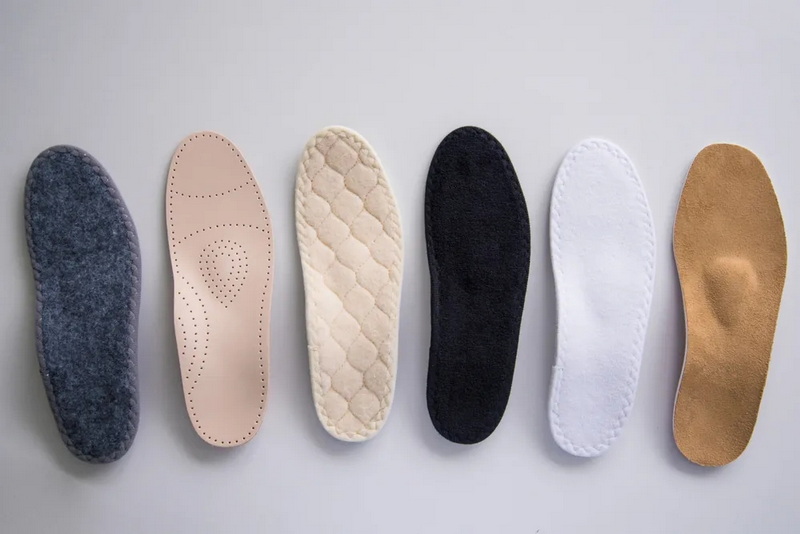
Orthopedic insoles are medical-grade shoe inserts engineered to address specific biomechanical and health issues in the foot and lower limbs. They may be custom-made to fit a patient's unique foot shape and condition or mass-produced with universally beneficial features such as extra arch support, cushioning, and heel stabilization. From reducing pain due to plantar fasciitis to preventing complications in diabetic patients, insoles are an essential non-invasive therapy recommended by podiatrists and orthopedic specialists.
Orthopedic insoles are suitable for a wide spectrum of users, including:
- Athletes seeking injury prevention and shock absorption during high-impact activities.
- Seniors who experience age-related deformation and discomfort in their feet.
- Individuals with chronic conditions—flat feet, high arches, tendonitis, metatarsalgia, bunions, and arthritis.
- Patients diagnosed with diabetes; they benefit from insoles that prevent ulcers, blisters, and infections.
By understanding the needs of each user population, international insole brands and OEMs can design and market products that fulfill those criteria.
Humana's insole coverage policies in 2025 reflect the complexity of the American healthcare insurance system. While orthopedic insoles are classified as durable medical equipment (DME), their inclusion depends largely on plan specifics, provider recommendations, and documented medical necessity.
Type of Plan:
Humana's individual and employer coverage may offer limited reimbursement for orthotics if the device is medically necessary. Medicare Advantage plans through Humana frequently provide better support, especially for seniors and patients with diabetes. Medicaid coverage for insoles is highly variable, dependent on state regulations and specific contracts.
Medical Necessity and Prescription:
Coverage usually requires a formal diagnosis and prescription from a healthcare professional. The medical need should be clear—addressing foot pain, structural abnormalities, or risk factors for complications, particularly in diabetic patients.
Documentation, Prior Authorization, and Supplier Choice:
To qualify for reimbursement, patients need a documented diagnosis, a prescription specifying the exact requirement for orthotic insoles, and may also require prior authorization from Humana. Additionally, insoles must be sourced from Humana-approved suppliers.
Annual Coverage Limits:
Some Humana plans set a benefit cap—patients may claim reimbursement for insoles or orthotics once per year or within policy-dictated intervals.
For patients wishing to secure coverage, following these steps can streamline approval:
1. Consultation: Schedule a visit with a licensed podiatrist or orthopedist who evaluates foot mechanics and related health concerns.
2. Diagnosis and Prescription: Obtain a thorough diagnosis and a clearly worded prescription for medically necessary insoles.
3. Insurance Verification: Contact Humana customer service or use online tools to confirm your plan covers orthopedic insoles and to identify any prerequisites.
4. Sourcing Products: Purchase insoles from in-network or Humana-approved durable medical equipment providers to avoid denial of claims.
5. Submission of Claims: Collect itemized invoices, prescription records, and supporting medical documents for submission through Humana's claims process.
Patients should be aware that not all plans automatically allow for coverage and that Humana can deny claims if paperwork is incomplete, the insole type is not included, or the product is purchased without a prescription.
Chinese insole manufacturers that supply to international markets can leverage the following strategies to ensure their products are insurance-compatible and attractive to foreign brands:
- Manufacturing Compliance: Use medical-grade, hypoallergenic materials and offer a selection of insoles suited for common conditions such as pronation, supination, and diabetes-related complications.
- Custom Branding and Documentation: Support branding and packaging customization for wholesalers, including barcode and SKU tracking for insurance compliance.
- Claims Documentation Support: Provide sample documentation templates, such as usage guidelines, sample prescriptions, and compliance certificates, to distributors and end-users.
- Global Market Standards: Obtain FDA clearance, CE marking, and other local certifications to facilitate import and reimbursement in target markets.
- Educational Content: Develop instructional guides and videos for distributors and patients, explaining proper insole selection, usage, and claims submission processes.
Being proactive about insurance compatibility and compliance increases supplier credibility, trust, and market share among international brands reliant on insurance-driven consumer behavior.
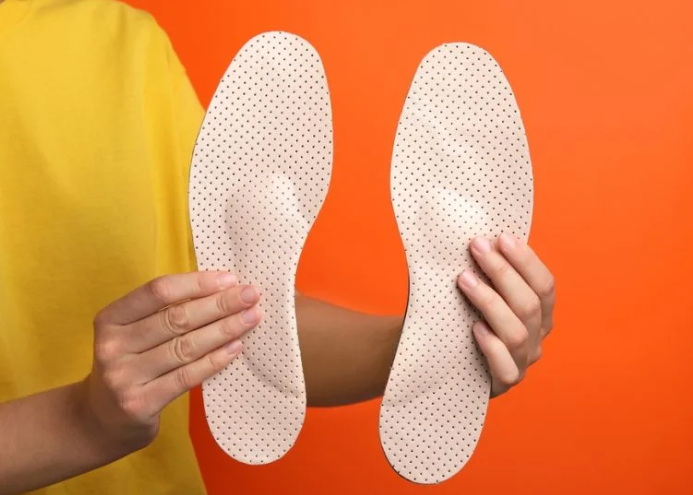
Eligibility depends on several factors including policy type, medical necessity, and compliance with claims requirements. Generally, those who are part of Humana plans with orthotic benefits and who have a qualifying condition and professional prescription are eligible. For instance, diabetic patients with associated foot risks can access coverage under Medicare Advantage and some employer plans, while those seeking comfort or generic support inserts may not qualify.
Diabetic patients present a unique use case where regular foot exams and the provision of custom insoles are medically mandated under certain Humana policies, especially those connected to Medicare Advantage. The clinical rationale is straightforward: advanced orthopedic insoles help distribute pressure, decrease the risk of ulceration, and enhance mobility for individuals with chronic foot problems. Suppliers targeting the U.S. diabetic insole market should emphasize product features such as moisture-wicking material, antibacterial lining, and pressure-relieving design in their OEM catalogs.
For patients navigating the coverage process, clarity and preparation are essential:
- Step 1: Arrange a consultation with a foot care specialist to discuss symptoms and possible solutions.
- Step 2: Request a formal prescription for orthopedic insoles if medical criteria are satisfied.
- Step 3: Reach out to Humana's benefits office to confirm policy specifics and documentation needed.
- Step 4: Choose insoles through a Humana-loaded supplier or distributor to avoid out-of-network rejection.
- Step 5: File the claim with complete documentation, and follow up regularly to resolve any disputes.
- Lack of Prescription: Buying insoles over the counter or online without a doctor's recommendation can lead to denied claims.
- Wrong Supplier: Purchasing from non-approved vendors may negate eligibility even if the medical need exists.
- Documentation Errors: Missing diagnosis codes, unclear physician notes, or insufficient proof of purchase can stall or void claims.
- Coverage Exclusions: Inserts deemed cosmetic or non-medical (for comfort alone) are rarely covered.
- Promote lines of insoles that cater to specific medical needs such as diabetes prevention, arthritis support, or post-injury rehabilitation.
- Assist distribution partners with detailed product guides covering certification, usage instructions, and regulatory compliance.
- Offer staff training for distributors on insurance documentation, regulatory updates, and customer consultation practices.
- Stay current on changing Humana and global insurance regulations to anticipate market shifts and optimize product offerings.
Patients are generally responsible for any expenses related to insoles not explicitly covered by their plan, including:
- Products purchased without medical necessity or professional prescription.
- Non-custom, generic shoe inserts intended mainly for comfort.
- Ancillary accessories—such as shoe sprays, foot creams, or non-DME orthotics.
Consumers should read their Humana plan documentation carefully and consult foot health specialists to maximize coverage.
Chinese insole manufacturers have become strategic allies to international retailers and health care brands by offering:
- Wide-ranging customization and private label branding.
- Advanced, automated production ensuring consistent quality and scalability.
- Cost-effective pricing that delivers value without sacrificing clinical performance.
- Complete regulatory support—helping clients with import certificates, safety testing, and insurance documentation.
This synergy allows brands to expand their offerings efficiently and align with insurance reimbursement criteria in markets like the U.S., Europe, and beyond.
Humana's approach to orthopedic insole coverage is governed by plan type, medical necessity, supply network compliance, and precise documentation. For eligible patients—especially seniors and diabetic patients covered under Medicare Advantage or qualifying employer plans—orthopedic insoles can be an accessible, reimbursable medical device aiding mobility, pain reduction, and disease prevention. International manufacturers and brands that align products and documentation with these coverage requirements will be better positioned to serve their clients, enabling improved health outcomes and sustainable growth in insurance-driven markets. The process may require patience, research, and documentation, but the medical and economic benefits for both patients and international suppliers are substantial.
No, coverage depends on specific plan details, and a doctor's prescription is usually required to be eligible for reimbursement.
No, over-the-counter insoles are rarely covered. Humana policies generally reimburse only custom or medically prescribed orthotics.
Yes, diabetic patients may qualify for broader coverage and regular insole replacement under Medicare Advantage and related Humana plans due to their elevated risk for foot complications.
Typically, insurance reimbursement requires a doctor's prescription, detailed diagnosis, proof of purchase, and submission of the correct claim form through Humana's process.
Yes, if they provide compliant products and necessary documentation to help U.S. distribution partners, Chinese OEM suppliers can facilitate the claims process.


