
Views: 222 Author: Edvo Publish Time: 2025-09-28 Origin: Site


Content Menu
● What Are Memory Foam Insoles?
>> Key Characteristics of Memory Foam Insoles
● Benefits of Memory Foam Insoles
● Drawbacks of Memory Foam Insoles
>> Key Characteristics of Gel Insoles
● Memory Foam vs. Gel Insoles: Detailed Comparison
● Which One Should You Choose?
● Key Applications in Different Settings
>> Outdoor Work
● Hybrid Insoles: The Best Solution
● OEM Insole Manufacturing Services
● FAQs
>> 1. Are memory foam insoles suitable for sports?
>> 2. Do gel insoles last longer than memory foam insoles?
>> 3. Can I clean memory foam or gel insoles?
>> 4. Which insole is better for hot climates?
>> 5. Are hybrid insoles worth it?
Foot comfort is a daily priority for millions of people, whether for athletes, professionals standing long hours, or casual wearers. The debate between memory foam insoles vs. gel insoles is one of the most common when choosing foot support. Both bring unique advantages, but their performance and comfort levels vary depending on lifestyle, activity, and specific foot health needs. This comprehensive guide explores the materials, benefits, drawbacks, and practical uses of each type so you can make the best decision.

Insoles play a crucial role in providing cushioning, arch support, and impact absorption. They enhance comfort, reduce fatigue, and help prevent long-term foot-related conditions such as plantar fasciitis, heel spurs, or shin splints. Choosing the right insole can transform an ordinary pair of shoes into highly supportive, customized footwear.
The two most common insole types include:
- Memory foam insoles – Famous for their ability to mold to each individual's foot shape.
- Gel insoles – Known for shock absorption, bounce, and sports-friendly durability.
Memory foam is a viscoelastic material that softens with heat and pressure. This allows memory foam insoles to mold to the natural curves of a person's feet, offering a highly customized fit.
- Provide excellent cushioning and comfort.
- Adjust to the shape of the foot within minutes of wear.
- Reduce stress on pressure points.
- Particularly effective for casual wear and light walking.
- Personalized fit: The foam reshapes with every use, giving the feeling of a shoe made specifically for the wearer.
- Pain relief: Beneficial for those with sensitive feet or medical conditions that cause chronic pain.
- Even pressure distribution: Helps avoid excessive strain on the heel or ball of the foot.
- Comfort for standing: Highly recommended for professionals who remain on their feet for long stretches of time.
- Heat build-up: One of the biggest complaints is that memory foam can trap heat, making it uncomfortable in warmer climates.
- Deformation over time: With prolonged use, the foam compresses and does not return to its original form, reducing effectiveness.
- Limited support in sports: While comfortable, it may not provide enough rebound energy for running or high-impact performance.
Gel insoles are made from silicone or polymer gel and are designed to minimize impact on the feet. These insoles provide firm and resilient support compared to foam.
- Strong shock absorption during movement.
- Greater resilience and long-lasting durability.
- Retains shape better during heavy impact activities.
- Shock absorption: Excellent for running and walking on hard surfaces, as the gel absorbs and redistributes impact.
- Durability: Keeps structure longer than foam, making them more reliable for intensive use.
- Cooling sensation: Gel tends to remain cooler, which reduces discomfort from sweating.
- Multi-use versatility: Ideal for sports, outdoor activities, or industrial work boots.
- Weight: Gel can feel heavier than lightweight foam, which may not suit all users.
- Firmness: Lacks the plush feel of foam and may feel less “cozy” for casual users.
- Higher cost: Premium gel inserts usually come with a higher price tag.
| Feature | Memory Foam Insoles | Gel Insoles |
|---|---|---|
| Comfort | Soft, customized fit, molds to foot shape | Firm and springy with consistent rebound |
| Best Use | Everyday walking, standing long hours | Running, sports, outdoor or industrial |
| Durability | Compresses and wears out with time | Retains shape, more resistant to wear |
| Temperature | Warmer, may trap heat | Stays cooler under all-day usage |
| Cost | Affordable and widely available | Slightly more expensive in premium lines |
| Weight | Lightweight, easy to wear | Heavier due to dense gel material |
The answer depends on your personal lifestyle and needs.
- Choose Memory Foam If:
- You want a soft, personalized cushion.
- Your activity level is moderate and involves walking or standing.
- You need relief from pressure or pain caused by sensitive feet.
- Choose Gel If:
- You run, hike, or play sports often.
- You want long-lasting insoles for shoes that experience heavy wear.
- You prefer firm, shock-absorbing support that performs consistently.
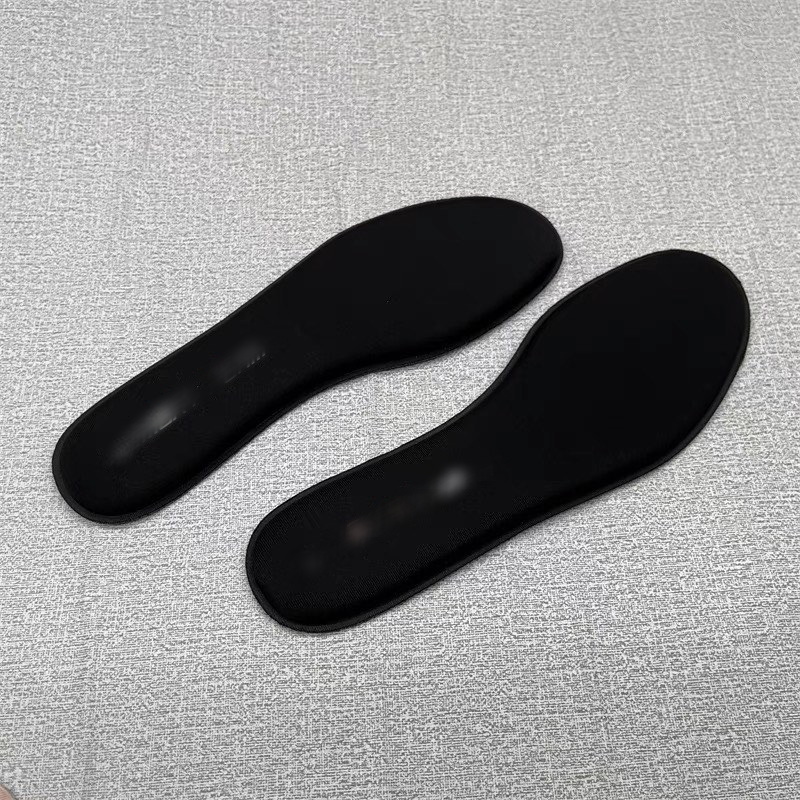
Gel insoles dominate in sports settings as they withstand pressure and bouncing movements. Runners and basketball players benefit from improved energy return and impact absorption.
Memory foam insoles provide lasting comfort during long workdays spent standing or walking. They relieve tension in the arch and ensure your feet don't ache at the end of the day.
Workers in construction or industrial jobs often prefer gel insoles, as they maintain shape and protect against joint fatigue under heavy boots.
Both memory foam and gel insoles can be used in orthotic applications to assist with issues such as plantar fasciitis. Memory foam excels in providing relief for sensitive feet, while gel supports overall joint protection.
Some manufacturers produce hybrid insoles that combine foam and gel. This provides the softness of foam with the durability and performance of gel. The heel and forefoot may be cushioned with gel pads, while memory foam covers the entire length for tailored comfort. These solutions are becoming increasingly popular for consumers who want a balance rather than choosing one material exclusively.
It is important to care for insoles to maximize their lifespan.
- Cleaning: Wash gently by hand with a mild soap and air dry completely before reinserting.
- Rotation: Switching insoles between different shoes can prevent excessive wear.
- Replacement: Replace every 6–10 months depending on activity levels, or once they lose support.
As one of the leading insole manufacturers in China, we specialize in producing both memory foam and gel insoles for international markets. Our services include:
- OEM manufacturing for global footwear brands.
- Private label customization tailored to client branding.
- Wide product portfolio covering general, sports, and orthotic insoles.
- In-house innovation for hybrid insole technologies.
With strict quality standards, scalable production, and years of expertise, we empower international brands to deliver customized comfort to their customers.
Both memory foam and gel insoles have unique strengths. Memory foam provides plush comfort and pressure relief, making it perfect for daily wear and sensitive feet. Gel insoles outperform in durability, temperature control, and shock absorption, making them a great option for athletes and demanding environments. For many people, hybrid insoles deliver the perfect balance.
When choosing between the two, focus on your specific needs, activity level, and desired level of support. With the right selection, your insoles can improve posture, protect joints, and provide comfortable movement for years.
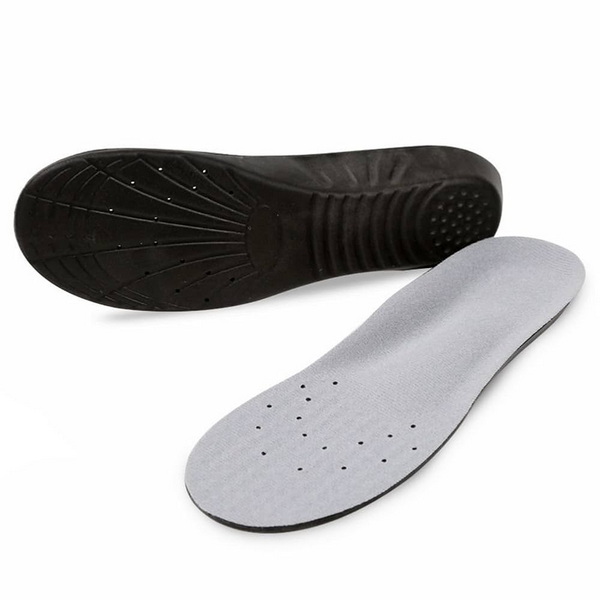
Memory foam insoles are soft and comfortable but they are not recommended for intense sports. They compress quickly and may not return energy well, which can lead to fatigue during performance.
Yes, gel insoles are designed for durability. They withstand impact without losing shape, making them longer lasting compared to memory foam.
Both can be cleaned by hand. It is best to use mild detergent and air dry completely. Avoid putting them into a washing machine or dryer to prevent damage.
Gel insoles are better for hot environments because they stay cooler and reduce sweating, while memory foam tends to retain heat.
Hybrid insoles combine the softness of memory foam with the resilience of gel. They are a great investment for those who want comfort and durability in one package.


